
The European Commission is asking citizens across Europe not to rely blindly on the state in the first hours of a crisis. The message is direct: households should be able to cope on their own for at least 72 hours if power, communications or vital supplies are disrupted.
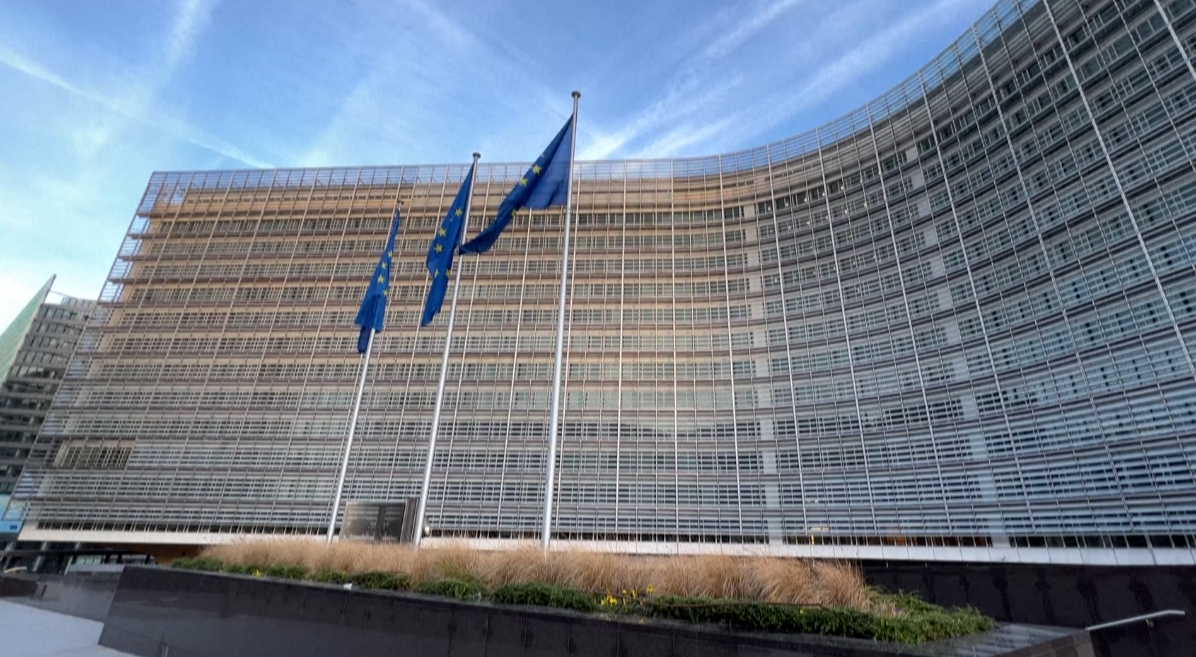
Brussels pushes for minimum household preparedness
According to the new guidelines presented by the European Commission, preparedness is not limited to a general call for caution, but includes concrete steps for dealing with emergencies. These include putting together an emergency bag with food, water, medicines and communication tools.
The package of measures also touches on more sensitive areas, such as educating children, including people with disabilities and distributing accurate information in crisis situations. Brussels’ approach shows that European institutions are factoring in scenarios in which the state response may not be immediate.
Why the focus is on the first 72 hours
According to the official version, the aim is for citizens to serve as a shock absorber in the first hours, reducing pressure on critical infrastructure and the state apparatus. In short, Brussels is acknowledging that in a serious crisis the system could come under severe stress.
Security expert Ledion Krisafi says the first 72 hours are the most critical and links this approach to the tense security climate in Europe, where, according to him, the continent must also deal with forms of hybrid warfare. He argues that such measures should be seen as a normal response and not as a cause for panic.
Crises are no longer being treated as theoretical scenarios
The European alarm is linked to a series of risks that are no longer considered abstract. The focus is on cyberattacks against interconnected systems, disruptions to blood bank infrastructure, power outages in Spain and blows to supply chains.
The message emerging from these cases is that a blow in one sector can produce chain consequences in many other links. This makes citizen self-preparedness not just practical advice, but part of a broader security strategy.
What this means for Albania
According to security expert Redion Qirjazi, Albania should look at how other countries are preparing and find its own readiness model. He stresses that even two or three days of self-sufficiency would be a measured step, especially in an economy that depends on daily supply chains.
Krisafi says Albania has a certain advantage because it is not 100% online, but that does not remove the need for preparedness. Although there is currently no reported elevated level of risk for the country, the fact that Albania is a NATO member makes the issue of readiness more than a theoretical discussion.
At its core, the signal coming from Brussels is clear: citizens should factor in the possibility that, in a real crisis, state assistance may not be immediate.
For Albania, this shifts the debate from usual rhetoric to a more concrete question: how prepared are families and how thoroughly have institutions actually been tested for the first hours of an emergency?