
A suspected attack on an Israeli businessman in Greece has been presented by the authorities as having been prevented in time, but the details that have emerged so far remain largely at the level of an investigative version. At the center of the case are two Iranian nationals and a group of people from North Macedonia, who are alleged to have been involved in organizing and carrying out the plan.
The notification that led to the operation
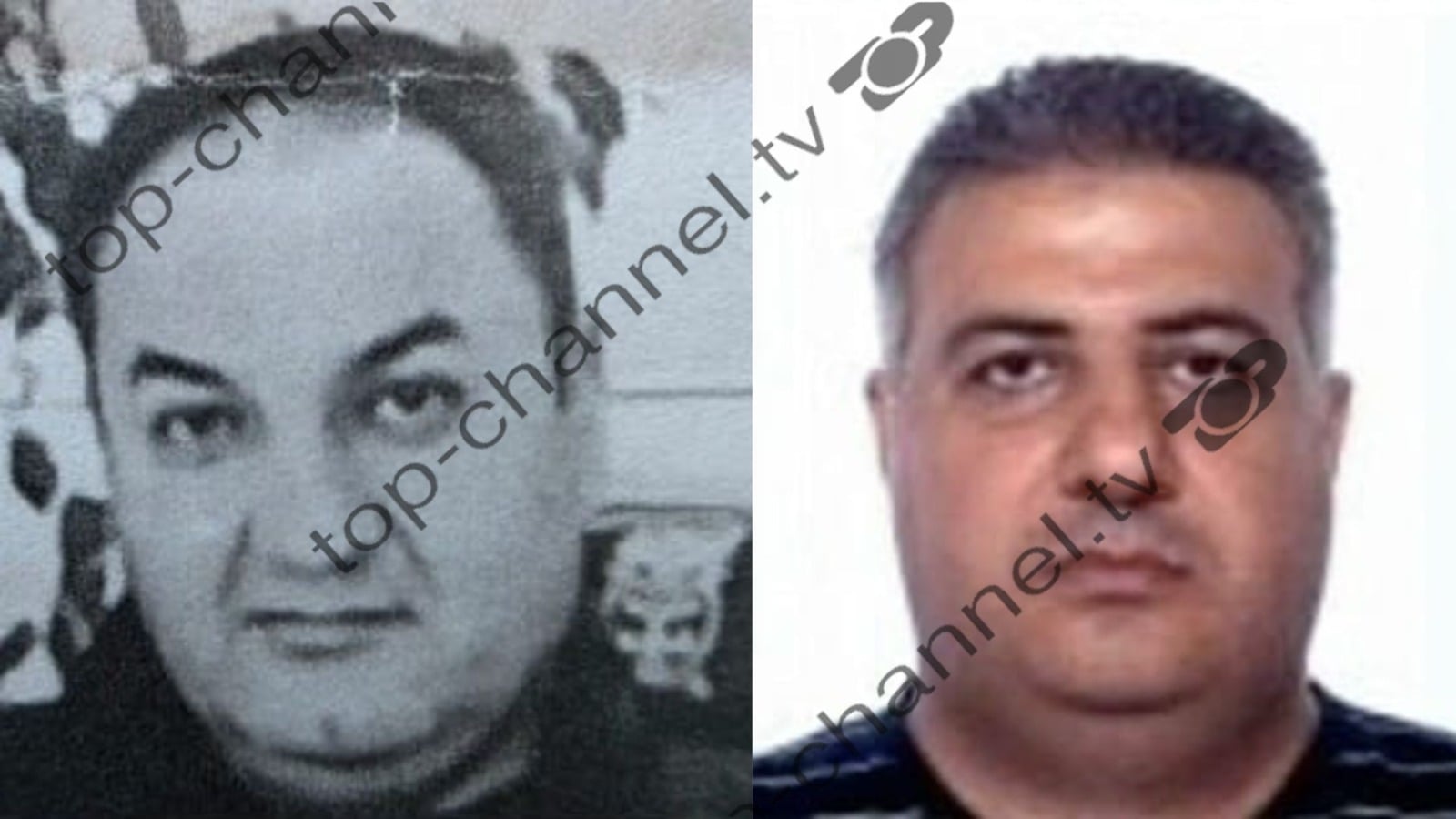
According to the information made public, the intervention came after an alert from the authorities of North Macedonia. In this context, Edriz Mavaneh is named as the head of the organization suspected of planning to carry out the attack.
Claims in the investigation also include the composition of the group, which is said to have consisted of six operatives: four Albanians and two Iranians. According to the same version, the other individuals held radical Islamist beliefs and came from the Kumanovo and Skopje areas.
Suspicions over funding and the order
The investigation raises suspicions that the entire operation was financed by an Iranian national identified as Mabanex. According to the line being followed by the authorities, he is suspected of having received the order to eliminate the businessman from Iranian intelligence services.
This is an accusation with significant political and criminal weight, but at this stage the information made public remains tied to what investigators claim and not to a final court ruling.
Arrest of a citizen from Kumanovo
Greek police have also announced the arrest of Shpëtim Musliu, born on December 21, 1996, born and residing in Kumanovo. His name appears as part of the actions taken within the framework of this operation.
According to police, Musliu had earlier tried to enter Greece from Turkey, but was turned back at the Evros border crossing. His exact role in the suspected scheme has not been clarified in greater detail in the publicly released information.
Many claims, little public transparency
The case has been presented as a major blow against a terrorist attack, but so far the public has received mainly fragments of information from police and media sources. This still leaves room for questions about how the network was built, how the evidence was secured, and how well-established the chain of responsibility is.
Beyond the serious weight of the allegations, it remains important that the investigation be accompanied by full verification of the concrete roles of each person mentioned, so that the case does not remain only at the level of official statements.
At this stage, what is known comes from the authorities’ version and from information reported from the ground. It is expected that the progress of the investigation and the judicial proceedings will clarify whether this was a consolidated assassination plan or a scheme that still requires fuller evidence.