
Earth’s atmosphere recorded the highest amount of water vapor ever measured in August, according to data from the European Copernicus program. The signal is worrying not only as a statistical record, but because the extra moisture in the air can fuel severe heat waves, more intense rainfall and more dangerous storms.
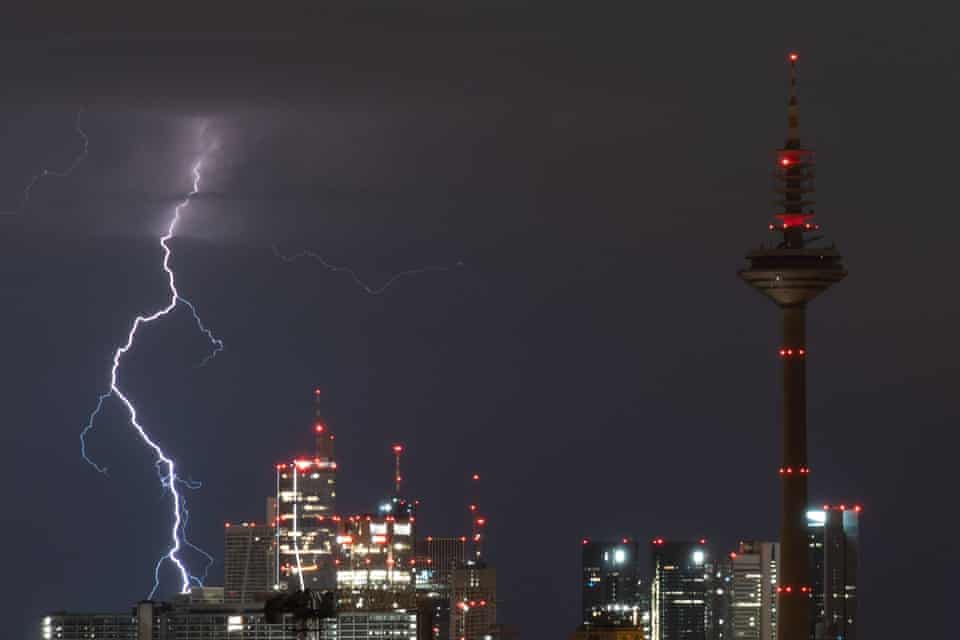
Copernicus reported a record level in August
According to the Copernicus Climate Change Service (C3S), the amount of water vapor in the atmosphere reached 27.35 kilograms per square meter in August.
This value exceeded the previous record, registered in July 2024, by 0.04 kilograms per square meter. The measurement shows the amount of water vapor in a column of air above one square meter of Earth’s surface, throughout the full depth of the atmosphere.
Small rise in numbers, major impact on the climate system
According to scientists’ calculations, the difference of 0.04 kg/m² translates into around 20 trillion liters of additional water in the atmosphere.
Although the change may appear limited in absolute terms, experts warn that the continued rise in atmospheric moisture could have significant consequences for extreme temperatures, rainfall and the intensity of storms.
Global warming and El Niño in the same picture
Scientists link this record to very high global temperatures. According to them, a warmer atmosphere holds more moisture, while the El Niño phenomenon in the Pacific is also thought to have contributed to this increase.
Julien Nicolas, a senior scientist at C3S, said the water vapor record matches the exceptionally high temperatures recorded during August. According to him, air can hold about 7% more water vapor for every one degree Celsius of global warming.
Very high sea surface temperatures in the tropical oceans, partly linked to strengthening El Niño conditions, have increased evaporation and, according to scientific assessments, helped create this record.
Why higher humidity makes weather more aggressive
The increase in water vapor in the atmosphere can directly affect the intensity of rainfall, including rainfall associated with cyclones and severe storms.
When vapor condenses and turns into water droplets inside clouds, heat is released — energy that can further strengthen storms. At the same time, high humidity makes heat waves more dangerous because it prevents cooling at night and makes it harder for the body to recover after days of very high temperatures.
August among the hottest months on record
Copernicus ERA5 data, which extend back to 1940, rank August among the hottest months ever recorded.
Meanwhile, according to the U.S. administration NOAA, which has measurement series dating back to 1850, August ranked as the hottest month recorded in that measurement history. Scientists link this trend to greenhouse gas emissions from the burning of fossil fuels, while El Niño is considered an additional factor pushing global temperatures higher.
Water vapor is itself a greenhouse gas and plays an active role in Earth’s climate system. The more the atmosphere warms, the more moisture it can hold, further strengthening the greenhouse effect.
Scientists warn that the current El Niño episode is expected to be among the strongest on record and its impact may continue to be felt during the coming year.