The lawyers’ boycott at the Special Court has been extended to hearings on security measures, deepening the deadlock that for nearly 20 days has paralyzed proceedings at GJKKO. The decision signals a clash that now affects one of the most sensitive parts of criminal procedure.
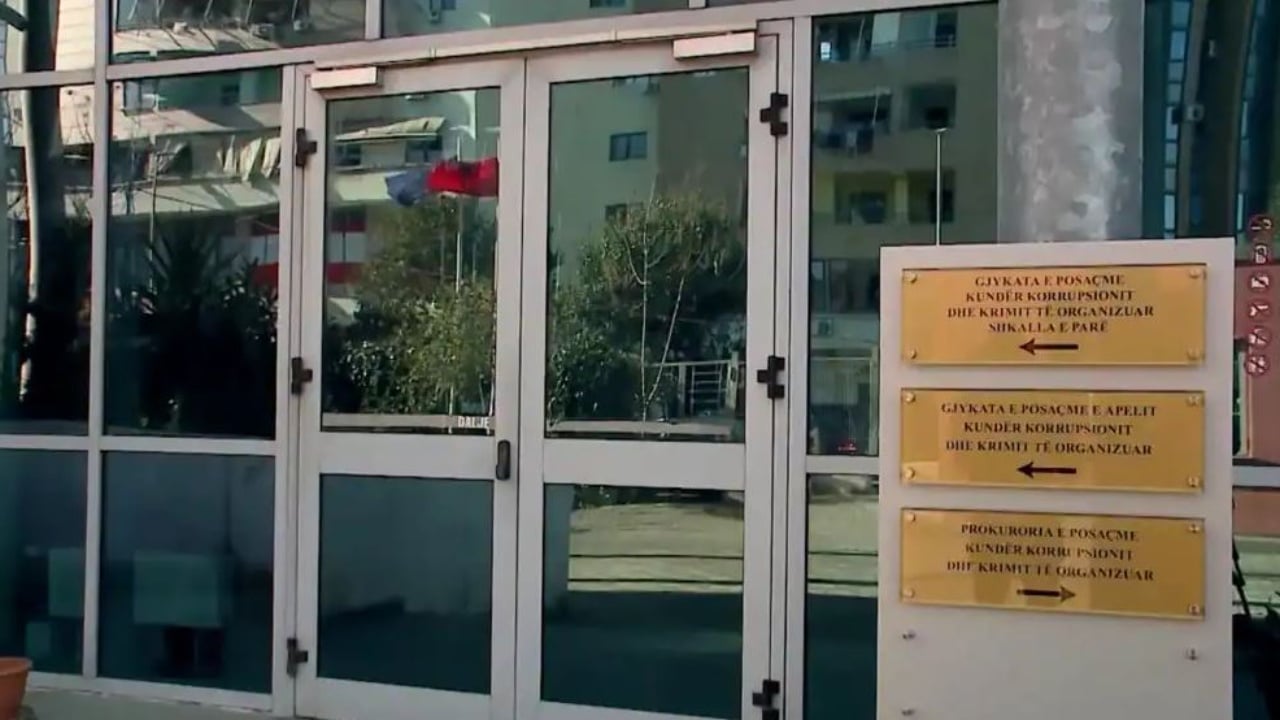
The new decision takes the boycott into a harsher phase
Lawyers have decided that the boycott at GJKKO will also extend to hearings on security measures, a step that clearly hardens their stance.
Until now, these hearings had remained outside the boycott. With the latest decision, that space has also been closed, expanding the protest’s impact on the court’s activity.
Meeting at the National Chamber of Advocacy
According to reporting by journalist Anila Hoxha, the decision was taken on Wednesday after a meeting held by lawyers at the National Chamber of Advocacy.
No further details were made public in this report about the duration of the measure or the conditions that could lead to a withdrawal from the boycott.
For 20 days, no proceedings held at GJKKO
For around 20 days, no court proceedings have been taking place at the Special Court because of the lawyers’ boycott.
This blockage has created an unusual situation in the functioning of the court, and now the impact also extends to hearings related to the imposition or review of measures against persons under investigation.
What changes with the inclusion of security measures
The inclusion of security measure hearings takes the protest to another level, as it affects procedures considered to have a direct bearing on the legal status of persons under investigation.
In the absence of a solution, the deadlock at GJKKO is expected to further intensify the debate over the real functioning of the justice system, beyond official declarations of efficiency and institutional normality.
For the moment, the lawyers’ decision deepens the blockage at the Special Court and raises further questions about the consequences this situation may have for the continuation of criminal cases.
What remains clear is that the boycott is no longer affecting only the hearing calendar, but also procedural mechanisms that have a direct impact on those under investigation and on the pace of justice.