
Grida Duma has shared one of her most personal statements in recent times, speaking in a television interview about loneliness, a lack of empathy, and the cost she says she has paid for always being perceived as strong.
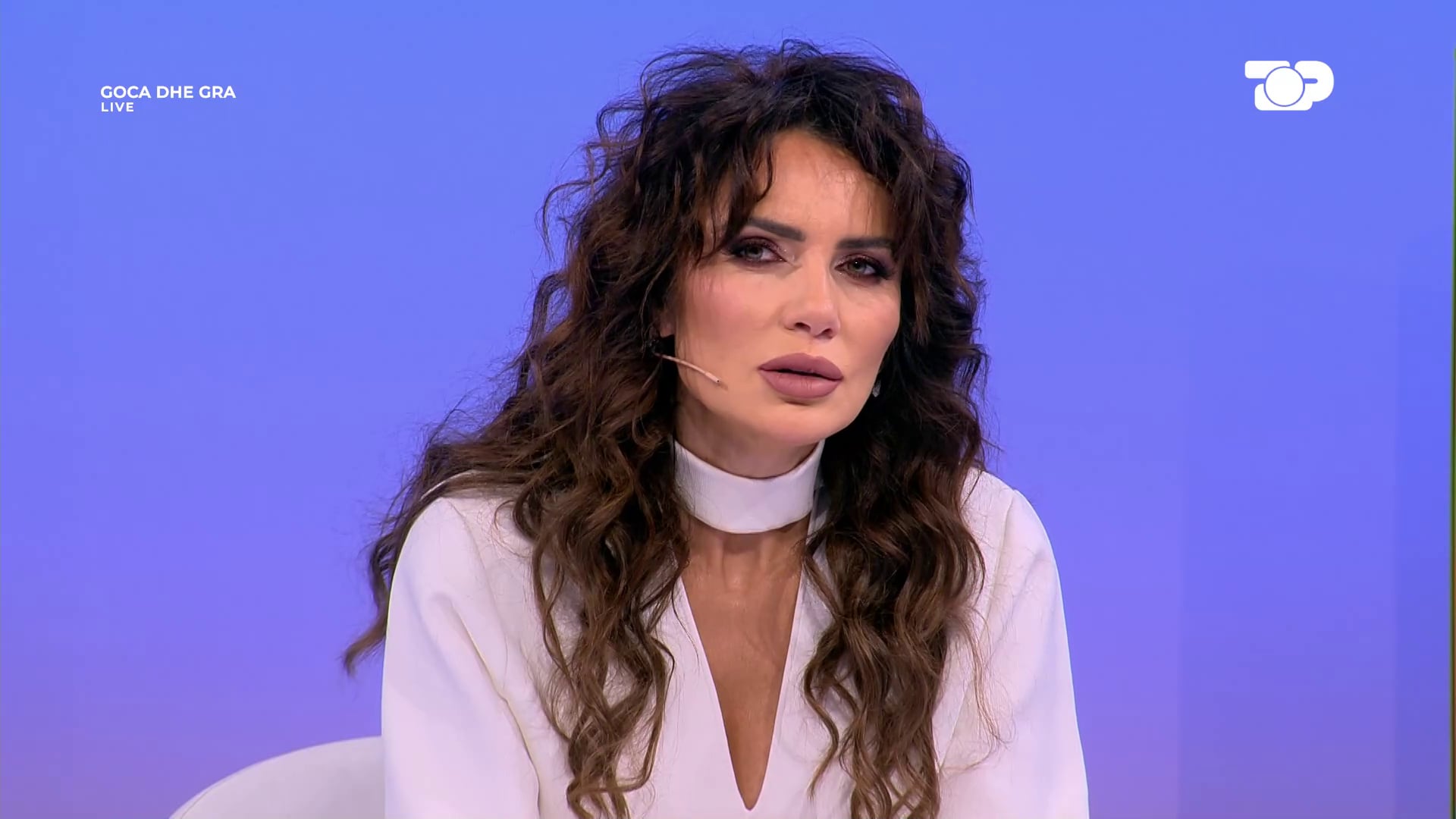
A confession beyond the public image
During the interview, Duma focused on her emotional side and on the way she has been perceived by others over the years. She said that her weakest point is tied precisely to the strength she has consistently shown in public.
That public image of a person who can handle everything, she said, has also created distance with the people around her, making it harder for her pain or exhaustion to be understood.
“My strength is also my weakness”
In the conversation, Duma said it has not always been necessary for her to be so strong and that this approach has cost her in her relationships with others.
She described this contrast as a point where strength and weakness coexist, while admitting that she often lacks people’s empathy and understanding in moments when she is suffering.
The cost of freedom and loneliness
One of the strongest phrases from the conversation was that she has paid for freedom with loneliness. According to what she said in the studio, that cost has appeared many times and not necessarily in some distant period.
When asked when she had felt this weight most strongly, Duma replied that it is something constant, suggesting that the clash between what she “must” do and what she “want” to do remains unresolved for her.
Between “must” and “want”
At the end of her reflection, Duma spoke about a life often built on obligation, discipline, and the expectation of functioning without stopping.
She said she has still not fully reached that part of life where choice comes only from desire, without the weight of what has to be done. That was precisely where the essence of her account was centered: not on the image of strength, but on the personal cost that image can leave behind.
Grida Duma’s account brought a more intimate tone than the public is used to seeing from her, shifting attention from the strong public figure to the consequences that figure may have in personal life.
Beyond the phrases that were immediately widely quoted, the core of her message remained clear: the strength that keeps you standing can, not rarely, also be the reason you are left alone.