
Prime Minister Edi Rama has once again chosen social media to enter into a sharp clash over the way public debate is produced and distributed. In a long post, he shared a text that, according to him, was not written by him, but that he said he would have liked to sign himself. At the center of the message is what he describes as a “mud industry,” fueled by the distortion of facts, manipulated headlines and the stoking of anger for clicks.
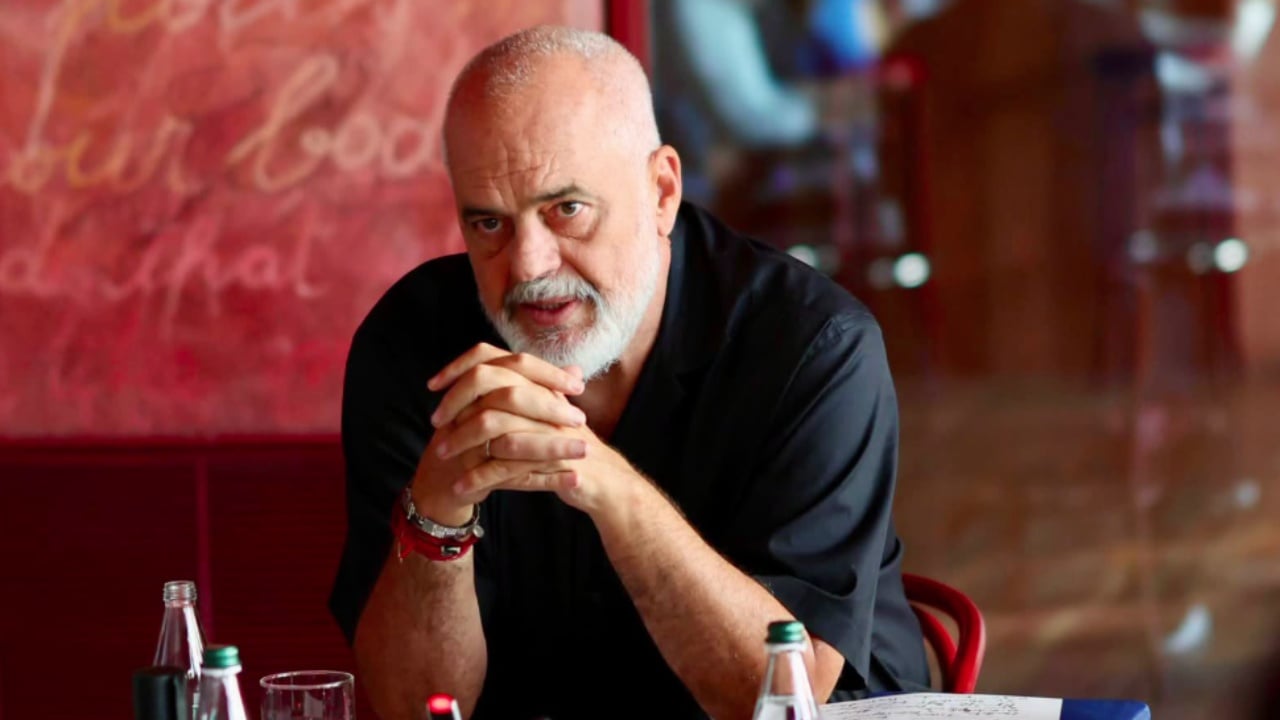
Rama’s post and harsh language toward the media
Rama introduced the text with an ironic comment, asking followers to read it carefully. The message uses heavy language to attack actors in the public sphere, who are described as part of a mechanism that produces stench, panic and hatred in the name of courage or denunciation.
At its core, the prime minister argues that part of the public debate has turned into a toxic spectacle, where cut videos, fabricated headlines and inflated accusations are used to trigger immediate reactions and keep the public gripped by anger.
Accusations of manipulation and manufacturing anger
According to the version Rama shared, this machinery works by turning every disagreement into an extreme accusation. Instead of debate, it says, narratives are built in which someone must inevitably emerge as corrupt, incompetent, captured or part of a conspiracy.
The text goes further, claiming that citizens are served detached fragments and ready-made interpretations until something untrue is accepted as fact. According to this view, this is not merely a communication crisis, but an industry built on the deformation of reality.
Defense of officials, but no reflection on the burden of power
A central part of the piece defends officials and public employees, who it says are treated in unacceptable ways and often turned into targets of a public fed on resentment. This is an argument that often comes from the government, especially when criticism of the administration or decision-making increases.
But amid the accusations against the media, platforms and critics, this intervention lacks reflection on the role that power itself plays in heightening the public climate, in personalizing debate and in using political communication as an instrument to delegitimize opposition. When the attack expands to the entire critical space, the line between denouncing manipulation and rejecting accountability becomes more blurred.
Political message in a climate of distrust
In the end, the text raises a moral question for the public: how far is a person willing to go to defeat those they have been told to hate. The message closes with the idea that whoever accepts becoming a liar, a coward or a manipulator in the name of a cause, in fact becomes part of the decay they claim to be fighting.
Rama’s intervention comes in a climate filled with distrust toward institutions, the media and politics as a whole. Precisely for this reason, every generalized attack on public criticism is read not only as a reaction to informational distortion, but also as an attempt to control the framework of the debate.
The prime minister’s post brings a real issue back to the center: manipulation, sensationalism and manufactured hatred are part of the media and digital landscape. But equally real remains the need for those in power not to use this argument as a shelter to avoid questions, criticism and public responsibility.