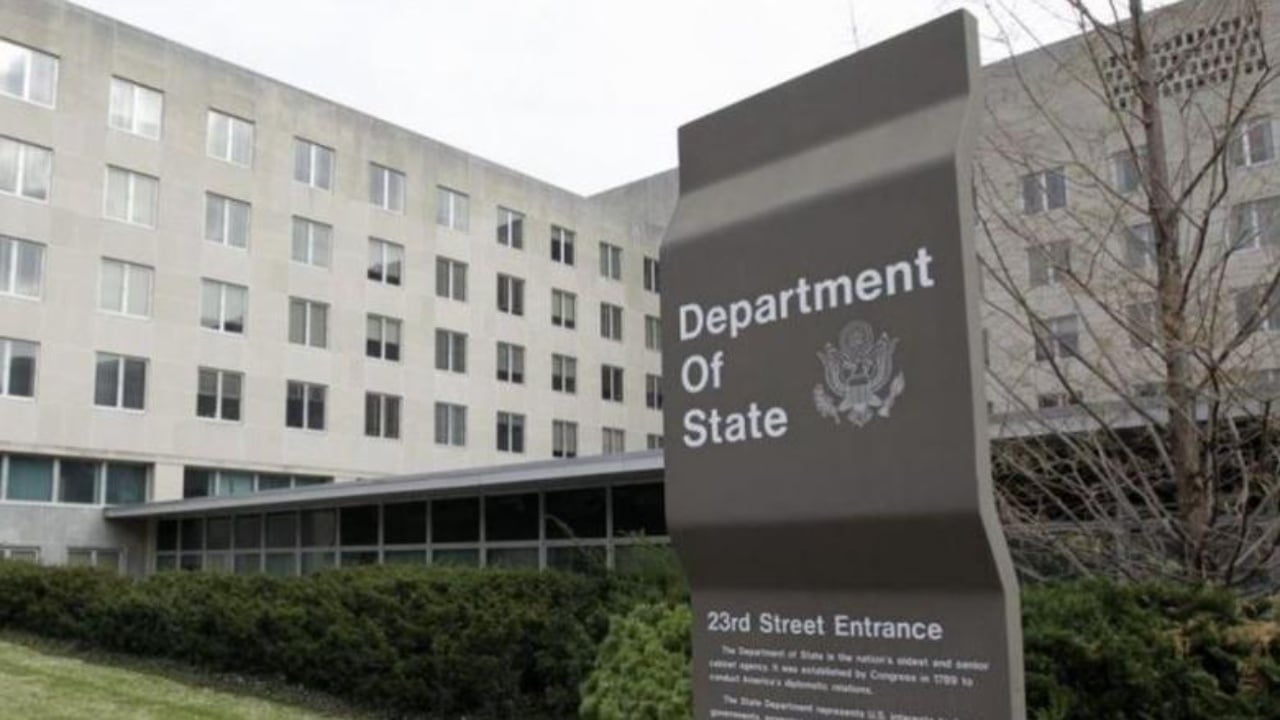
Albania shows stronger economic indicators and a record level of foreign investment, but the US State Department report leaves little room for triumphalism. In its assessment of the investment climate, alongside the positive figures, it lists the same entrenched problems that have held back business for years: corruption, uncertainty over property rights, distorted competition, delays in the justice system, and labor shortages.
Economic growth and investment, but not without question marks
According to the report, Albania’s economy grew by 3.7 percent in 2025, while inflation fell to around 2.2 percent. Public debt as a share of GDP dropped from 75 percent in 2021 to 52.6 percent in 2025.
In the same year, foreign direct investment reached $1.84 billion, the highest level recorded so far, while the total FDI stock rose to around $17 billion. US investment also increased: the stock of US FDI reached $490 million, up from $382 million a year earlier, while new US investment during 2025 was reported at around $72 million.
The report notes that Albania generally offers a liberal regime for foreign investment and allows, with some sectoral exceptions, full foreign ownership of companies. However, the absence of a bilateral agreement with the United States to avoid double taxation remains a gap in economic relations.
Money is flowing into real estate, the strategic investments law remains in play
A large share of foreign investment continues to be concentrated in sectors that raise debate over the quality of the economic model. In 2025, 34 percent of FDI flows went into real estate, 18 percent into financial services, 10 percent into the extractive industry and 10 percent into wholesale and retail trade.
The report also highlights that most projects approved as strategic investments have been focused on tourism and financed mainly by domestic investors. The Strategic Investments Law, adopted in 2015 and extended several times, remains in force until December 2026.
SPAK seen as a positive step, but corruption remains at the center of concern
In the section on justice, the report acknowledges that the reform launched in 2016 has brought major changes and considers the creation of SPAK and the strengthening of anti-corruption structures to be an important development.
But this does not soften the core of the problem. According to the report, foreign investors continue to express concerns about corruption in the administration, judiciary and public procurement, as well as unfair competition, money laundering and the informal economy.
The document also underscores the cost of vacancies created in the judicial system after the vetting process, with visible delays in the review of cases, especially in the appeals courts. According to the State Department, the European Union also expects an increase in investigations into high-level corruption and a stronger track record of prosecutions and convictions.
Property and cadastre, an old wound that continues to scare investors
One of the clearest problems identified in the report remains uncertainty over ownership. Unclear titles, incomplete documentation, corruption and problems with property registration are presented as a real risk for investors.
According to the data cited in the report, around 91 percent of the territory has been registered, but digitalization is moving at a slow pace. Only 43 percent of ownership titles, 69 percent of supporting documents and 10 percent of cadastral maps had been digitized.
Equally concerning is the fact that around 80 percent of previously recorded data requires verification to guarantee accuracy. Targets set by the State Cadastre Agency foresee the completion of digitalization by the end of 2026 and of initial property registrations by 2028.
Emigration, informality and staff shortages are hitting the business climate
The report also raises concern over the emigration of young people and skilled workers, which is narrowing the domestic labor market. In 2025, Albania’s labor force stood at around 1.28 million people, while the number of employed was around 1.17 million. Official unemployment was 8.3 percent.
However, according to the report, companies are facing difficulties in finding staff and are increasingly being forced to recruit workers from other countries, including Southeast Asia. The American Chamber of Commerce also ranks the lack of qualified staff as one of the main concerns.
Informality remains another serious burden. According to INSTAT, informality in non-agricultural employment was 24.7 percent in 2024, while international organizations estimate the informal economy at around 30 to 35 percent of GDP. According to the report, this, together with illegal income from criminal activities, distorts competition and favors operators that do not comply with the same fiscal and legal rules.
The report presents a two-sided picture: on the one hand, economic growth, more investment and stronger financial indicators; on the other, institutions that still do not provide the certainty required by long-term capital.
The message emerging from the document is clear: positive figures are not enough when corruption, property rights, contract enforcement and labor shortages continue to hold Albania’s business climate hostage.