
Spain’s housing crisis is turning into an open political crisis. Prime Minister Pedro Sanchez’s government suffered a blow in Parliament after lawmakers struck down two emergency housing decrees, fueling the scenario of early elections at a time when anger on the streets is not fading.
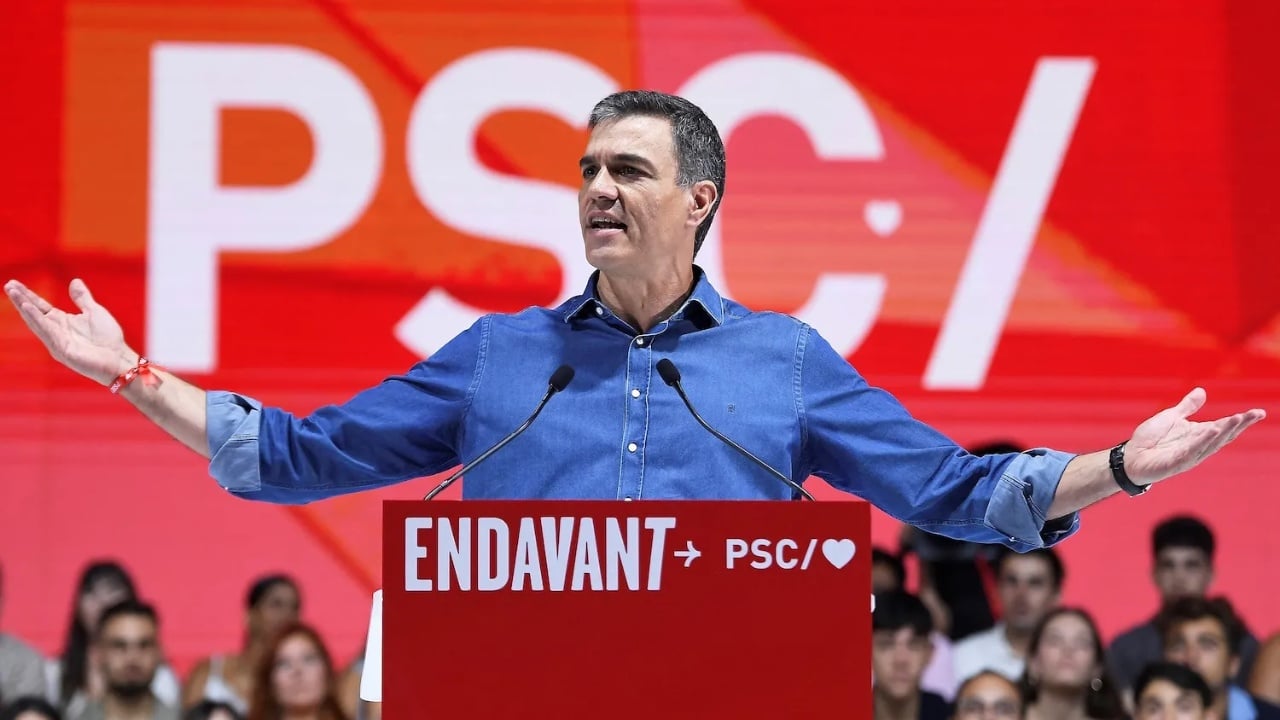
Two decrees fall in Parliament
The vote in Parliament dealt a direct blow to the Spanish executive. The first decree was rejected by 178 votes to 172, while the second was rejected by 184 votes to 166.
The result has increased pressure on Sanchez, while in Madrid the possibility of the country heading to new elections this autumn is being discussed more and more. Among the dates being mentioned is November 29.
Protests continue in Madrid and other cities
Beyond the parliamentary clash, the government is also facing strong social discontent. Thousands of protesters continue to remain in Puerta del Sol square in Madrid, one of the most visible focal points of the revolt over prices and rents.
The tenants’ committee, which is leading the protests, has called demonstrations on October 3 in Madrid and in 22 other Spanish cities, showing that the crisis is not remaining merely an institutional debate.
Sanchez defends the package, opposition rejects it
In Parliament, Sanchez defended the decrees, saying they contained “no extremism,” and urged lawmakers to think about the families facing rising rents.
On the other hand, the People’s Party, the main opposition force, maintained its position that the housing crisis cannot be solved with decrees, but through the construction of new homes. The clash highlighted not only the political divide, but also the lack of consensus on one of the country’s most sensitive social issues.
What the rejected measures contained
According to the official version of the Spanish government, the decrees aimed to curb speculation in the real estate market, the expansion of tourist rentals and the eviction of people in need from their homes.
One of the most debated points was the automatic and indefinite renewal of rental contracts, a measure that became central to the political clash and objections in Parliament.
The rejection of the two decrees has exposed the parliamentary weakness of Sanchez’s government at a time when pressure in the streets and political tension are moving in parallel.
Whether this deadlock will actually lead to early elections will depend on future political moves, but the signal that has emerged from Parliament is clear: the housing crisis is turning into a crisis of governance.