
Antoneta Sevdari has returned to the High Prosecutorial Council, taking one of the mandates that come from the prosecution ranks. Her election, together with Afërdita Ndoi and Eloida Goxhi, comes at a time when the KLP is trying to break the deadlock created in the process of appointing the Prosecutor General.
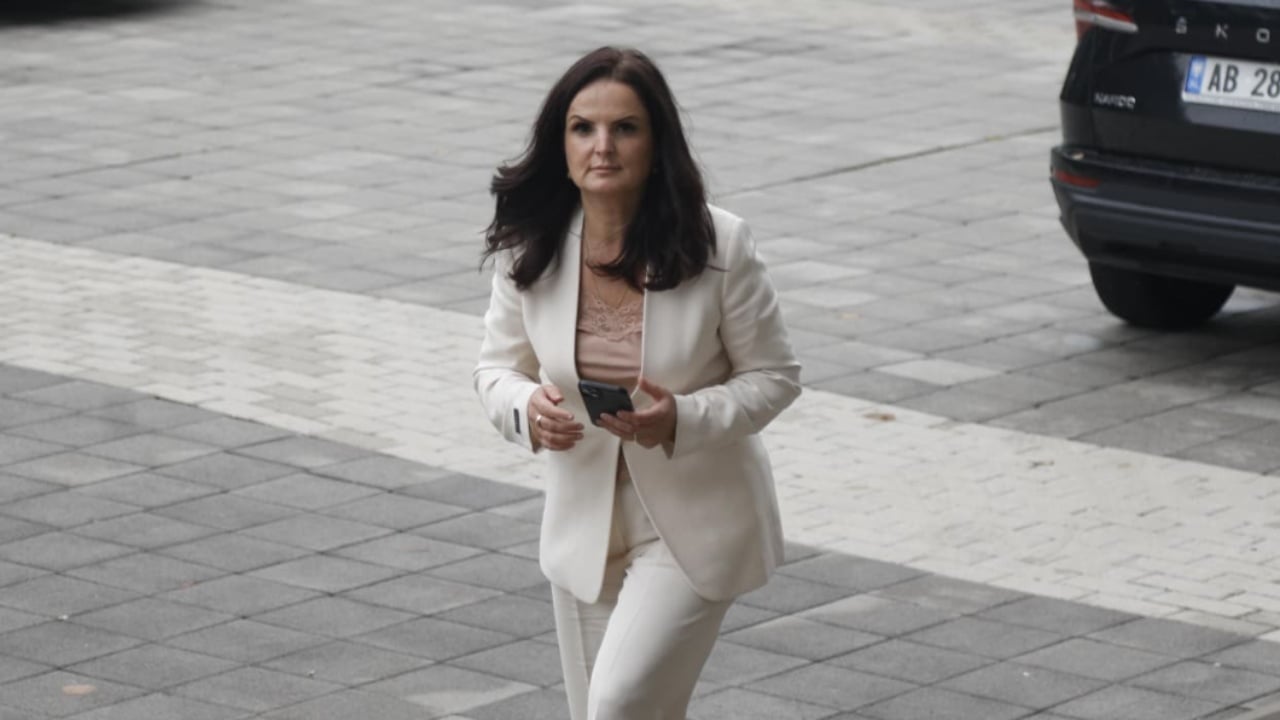
Sevdari elected again to the KLP
At the meeting held on the premises of the School of Magistrates, Antoneta Sevdari was elected a member of the High Prosecutorial Council from the General Prosecution Office.
From the appeal prosecution offices, Afërdita Ndoi was elected, while the other member emerging from this process is Eloida Goxhi. With these elections, three vacant seats in the KLP from the prosecution system are filled.
Sevdari’s return after the clash with vetting
Sevdari is considered the first case of a magistrate in Albania to return to the justice system after the overturning of a final vetting decision.
She won this battle at the European Court of Human Rights in Strasbourg, turning her case into one of the most sensitive precedents of the justice reform.
Whom the three new members replace
The three new mandates replace members who completed their terms in the KLP: Sokol Stojani, representative of the General Prosecution Office, Ledina Riza, representative of the appeal prosecution offices, and Zeqir Hoda, representative of the first-instance prosecution offices.
The changes in composition come at a sensitive stage for the functioning of the KLP, as this institution holds in its hands one of the most important processes in the justice system.
Elections in the KLP amid the blockage over the Prosecutor General
The weight of this process is directly linked to delays in the evaluation of five candidates for Prosecutor General. Only on October 8, 2026, did the KLP unblock the procedure after rejecting by majority vote the mutual requests for members to be recused from decision-making.
Competing for the post are Adnan Xholi, Arta Marku, Fatjona Memçaj, Rovena Zoto and Ylli Pjetërnikaj. The process had remained stalled for weeks because of a chain of recusal requests between candidates and KLP members, a situation that has raised questions about the pace and functionality of procedures at the top of the prosecution system.
The election of the three new members gives the KLP a new composition at a moment when its decision-making is under heightened public and institutional scrutiny.
Antoneta Sevdari’s return to this structure makes even more visible the debate over the consequences of vetting, the standards of the process and the way key links of the justice system are being administered.