
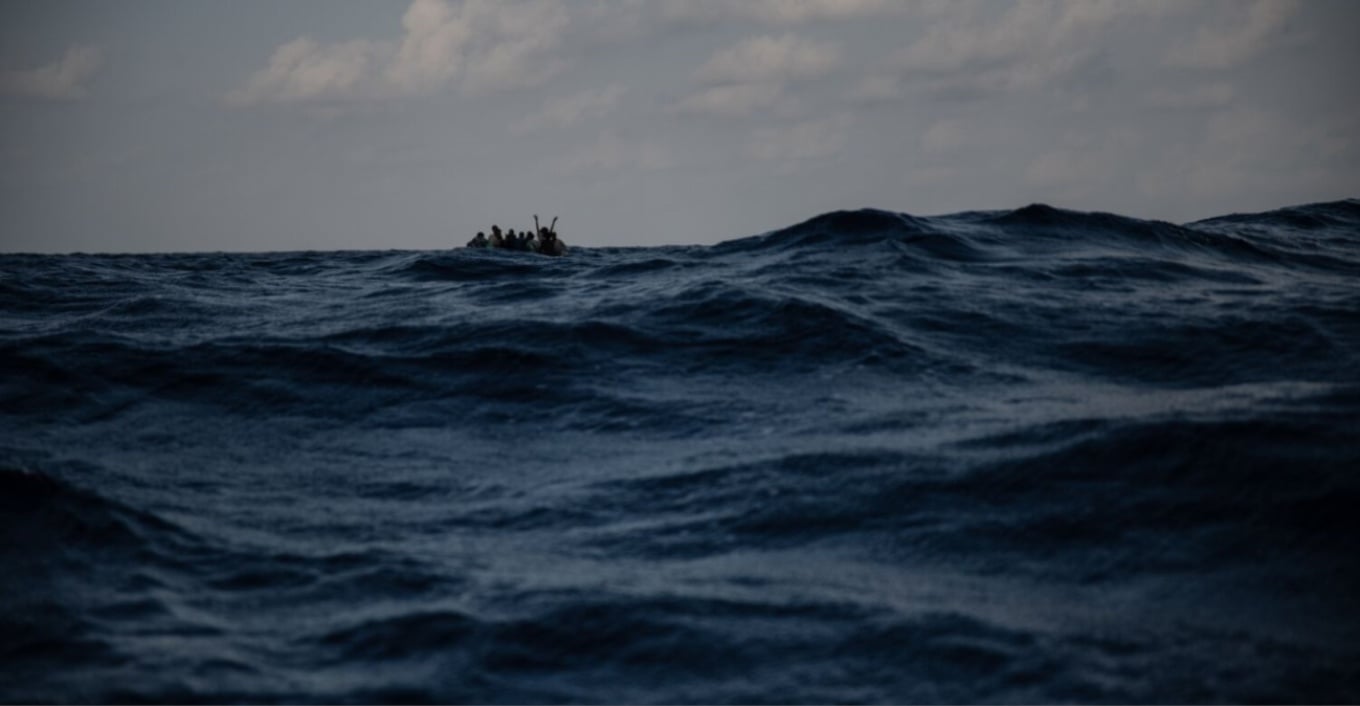
A serious maritime tragedy has been reported off the coast of Djibouti, where a boat carrying around 350 people on board capsized while sailing toward Yemen. The toll made public by the International Organization for Migration speaks of 135 victims and more than 116 people missing, once again highlighting the human cost of one of the most dangerous migration corridors in the region.
The heavy toll of the tragedy
According to the IOM, the victims include 15 children. The organization says the preliminary data is based on the testimony of people who survived the sinking.
More than 80 people managed to survive, while searches and verification of the fate of the others remain difficult because of the nature of the incident and the high number of people on board.
When and where the capsizing happened
According to the version published by the IOM, the boat capsized during the night between October 8 and 9, near the Guhere area, north of the port city of Obock in Djibouti.
This is a known and dangerous route, where vessels are often overloaded and passengers undertake journeys in unsafe conditions.
The survivors and the lack of an official response
According to the organization’s report, all of the survivors are Ethiopian nationals. This once again links the tragedy to migration flows passing from the Horn of Africa toward Yemen.
Meanwhile, a spokesperson for the Ethiopian government did not immediately respond to a request for comment regarding the incident, leaving the official response to the reported losses unclear.
A migration route with a high human cost
The incident is considered another serious alarm over the sea routes between Djibouti and Yemen, where migrants take extreme risks in an attempt to cross the Gulf of Aden.
Even when tolls are published by international organizations, the full picture often remains unclear for days, while the number of missing people may indicate that the real scale of the disaster is even more severe.
The tragedy off Djibouti draws attention once again to the lack of safety on these sea crossings and to the high price paid by migrants in a corridor where danger has become the norm.
So far, the published toll remains that of the IOM, while many families still have no answers about the fate of their loved ones.