
The government is considering a measure with direct consequences for citizens’ freedom of movement: placing people identified for violent acts on a blacklist in the TIMS system. According to the version circulating from the working group at the Prime Minister’s Office, this would be used to restrict their entry into European Union countries.
What is being prepared at the Prime Minister’s Office
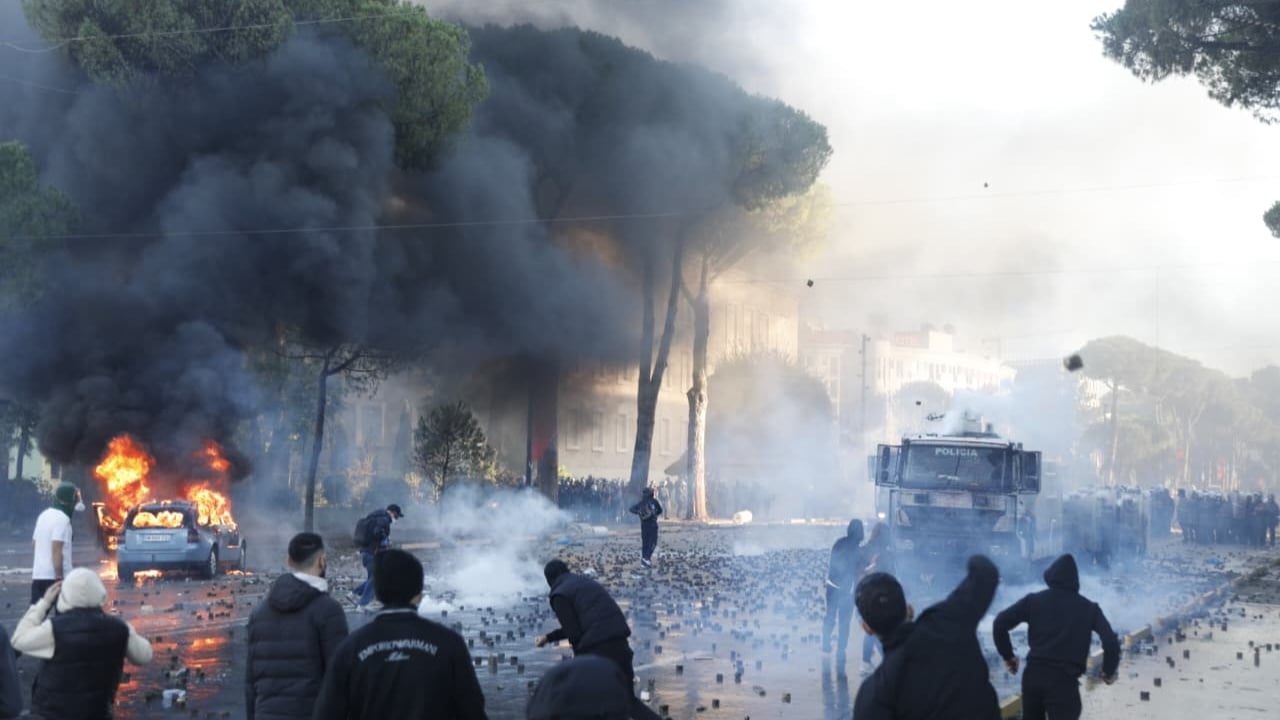
According to publicly released information, a working group is drafting the package announced by Edi Rama, which is linked to cases of violence during protests.
At the center of the proposal is the identification of people involved in violent acts and their registration in the TIMS system, as part of the measures being reviewed by the government.
How the proposed measure would work
Under this proposal, the identified individuals would be included on a blacklist, with the aim of preventing them from entering EU countries.
This is a measure that, if formalized, would affect not only public order but also the right to freedom of movement, making details on the criteria, verification and procedure essential.
What remains unclear
So far, key elements of the mechanism have not been made public: who would make the final identification, what evidence would be considered sufficient, and what appeal route would exist for people who might be included on this list.
There is also still no public clarification on how an entry in TIMS would, in practical terms, translate into a restriction on entry to European Union countries, a point that requires greater institutional transparency.
The political package and its weight
The initiative is tied to the package announced by Rama this Monday and is being presented as part of the government’s response to episodes of violence.
However, when such measures affect state databases and freedom of movement, the burden of explanation is not small. Without clear criteria and procedural oversight, any such mechanism raises questions about proportionality and its implementation.
For now, this is a proposal in the preparatory phase, not a decision announced as approved.
What is still missing is public clarity on the legal basis, verification filters and safeguards against abuse of such a sensitive instrument.