
Albania abstained in the UN General Assembly vote on the resolution calling for the lifting of the U.S. embargo on Cuba, moving away from the position it had traditionally held in this forum. The vote highlighted not only Washington’s continued isolation on this issue, but also Tirana’s movement on a delicate foreign policy file.
The resolution passes, but with lower support
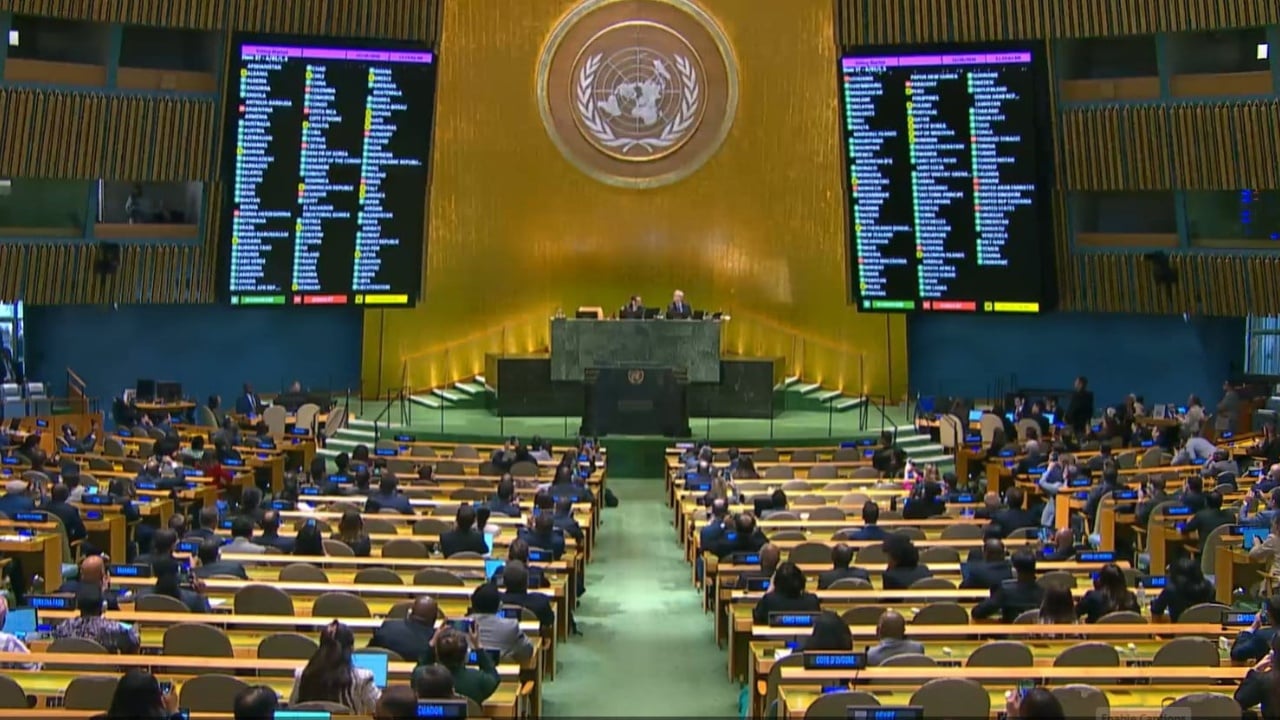
For the 34th time, the United Nations General Assembly called on the United States to end its economic, commercial and financial embargo against Cuba.
In the vote held on Wednesday, 130 countries voted in favor, 17 against and 25 abstained. According to the voting data, this was the lowest level of support the resolution has received in the past two decades.
Albania’s abstention marks a turn
Albania was among the countries that abstained. This position marks a change from the stance it had previously taken, when Tirana had joined the countries calling for the lifting of the U.S. blockade against Havana.
The change in vote raises questions about Tirana’s diplomatic reasoning on an issue where, usually, the overwhelming majority of UN member states maintain the same position from year to year.
The political context behind the vote
This development comes at a time when relations between Washington and Havana remain tense. At the same time, Cuba’s pro-Russian stance on the war in Ukraine has been used by some Western countries as an argument against the resolution.
The vote reflects continuing divisions among UN member states over how Cuba should be treated and over the continuation of U.S. sanctions, which Cuban authorities consider a heavy burden on the country’s economy.
An embargo that has lasted for decades
The U.S. embargo against Cuba dates back to 1960, when Washington imposed the first trade restrictions after clashes with Fidel Castro’s government and the nationalization of U.S. properties on the island.
In February 1962, President John Kennedy expanded the embargo to cover almost all trade between the two countries. The restrictions were later tightened further through laws passed by the U.S. Congress, particularly in 1992 and 1996.
Despite some temporary easing over the years, the embargo remains in force more than six decades after it was imposed.
Albania’s abstention in this vote is not just a procedural detail at the UN, but a political signal that places Tirana in a different position from the one it had previously held on the Cuban issue.
In a vote with symbolic and diplomatic weight, Albania’s shift in position stands out precisely because it comes in a forum where countries’ lines usually change only rarely.