
Prime Minister Edi Rama presented the “Pasqyra Albania” platform, a project that, according to the government, will allow citizens to see with a click public investments, municipal decisions, the progress of applications and the status of complaints. In essence, the executive is marketing the initiative as a response to bureaucracy and the lack of traceability in the administration, although its real effectiveness will be measured only when the platform becomes accessible to the public.
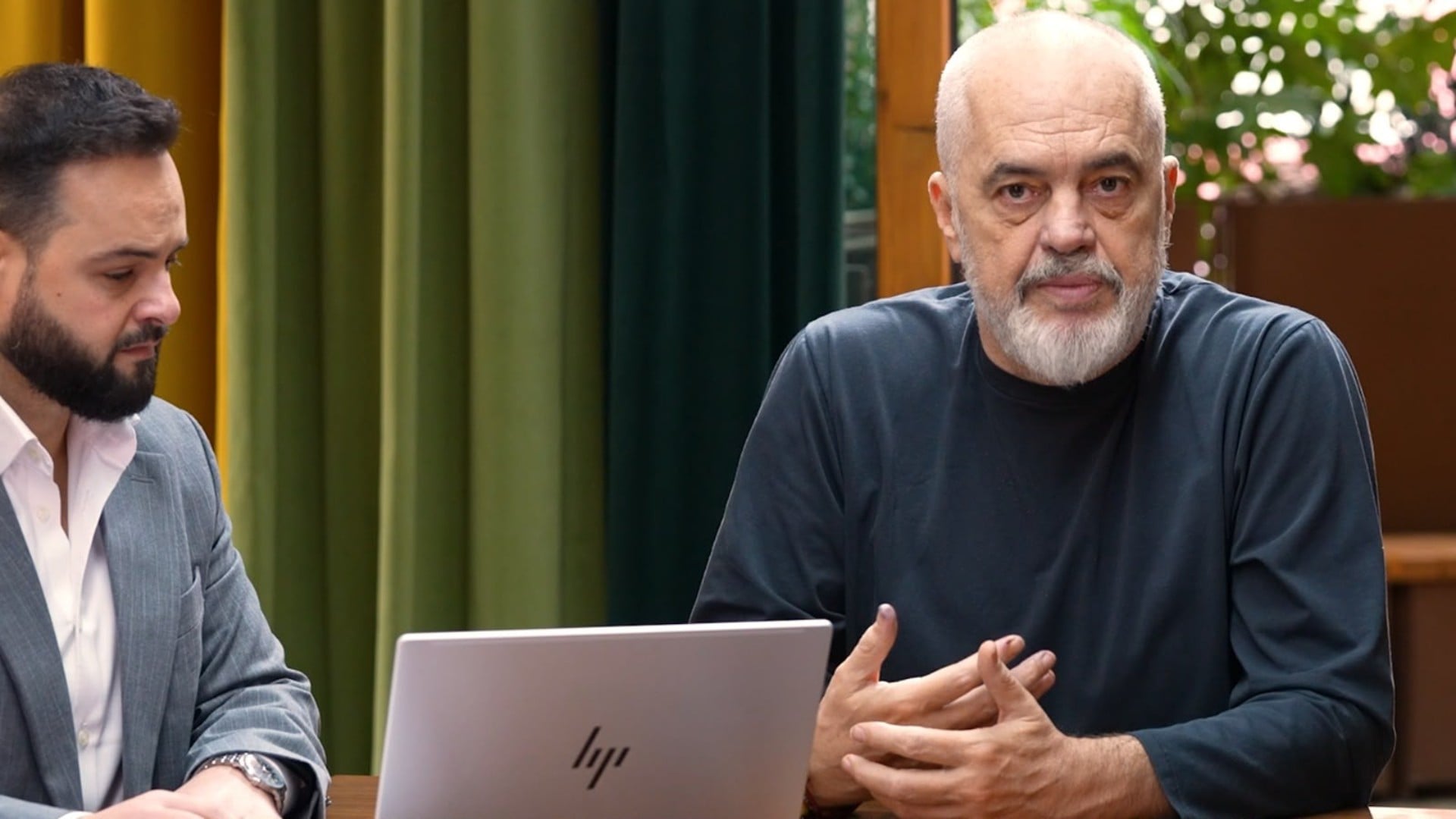
The platform was presented by Rama at AKSHI
During a meeting with AKSHI experts, Rama was introduced to the platform’s functionalities and the innovations it is expected to bring. According to him, “Pasqyra Albania” was built to turn the state into a “single window” for the citizen.
The prime minister said the project emerged after the government reflected on the way requests and complaints are handled in the administration, a problem he described as a weak point in the relationship between citizens and institutions. According to him, the platform is expected to become public soon.
The four pillars the government presents as the basis of the system
According to the official presentation, the platform is built on four main pillars. The first is related to information on public investments, where citizens will be able to see where investments are being made and what stage projects in their area have reached.
The second pillar concerns local decision-making. Citizens are promised access to municipal decisions and draft decisions of municipal councils, as well as a virtual assistant to guide them through their content.
The third pillar includes tracking applications, services and complaints through logging in with e-Albania. According to AKSHI, citizens will be able to see the real status of their request and the stages of processing by the responsible institutions.
The fourth pillar provides for the possibility for citizens to give their opinion on draft acts under public consultation. The government presents this as an expansion of participation in decision-making, although it remains to be seen how real the weight of these comments will be in the process.
The promise on investments: more visibility, not necessarily more accountability
Rama said citizens will be able to verify for themselves the progress of investments in every area, including cases where projects are suspended or delayed. According to him, this will serve to counter inaccurate information circulating in public.
However, the presentation did not make clear whether the platform will publish only descriptive data on projects, or also more sensitive elements for accountability, such as the concrete reasons for delays, the institutions responsible and missed deadlines. It is precisely here that the real value of the promised transparency will be tested.
Complaints as “packages” to be tracked in the system
The point the government presents as the most important is the tracking of citizens’ complaints and requests. Rama used the comparison with a postal shipment, saying that every concern or request will be followed like a “package” that can be checked throughout its journey in the administration.
According to the official version, this will put an end to uncertainty over whether a request has been received and what stage it is at. The government places emphasis on a timely response as the administration’s primary obligation, but the question remains open whether the system will produce only formal notifications or real solutions for citizens.
“Pasqyra Albania” is being presented as a new instrument of transparency and citizen oversight over the administration. But beyond the technical demonstration and the government’s optimistic language, the decisive test will be how complete, usable and verifiable the information the public receives in practice will be.
If the platform is limited to a digital facade, it risks remaining another well-packaged promise. If it offers real traceability and data that keep institutions under pressure, then it may carry weight beyond the political presentation.