
A report published by the U.S. House of Representatives Oversight Committee concludes that some of Jeffrey Epstein’s crimes could have been prevented if federal authorities had acted in time after 2005. The document raises serious questions about how investigators, prosecutors and justice institutions handled for years a case that is now regarded as a symbol of institutional failure.
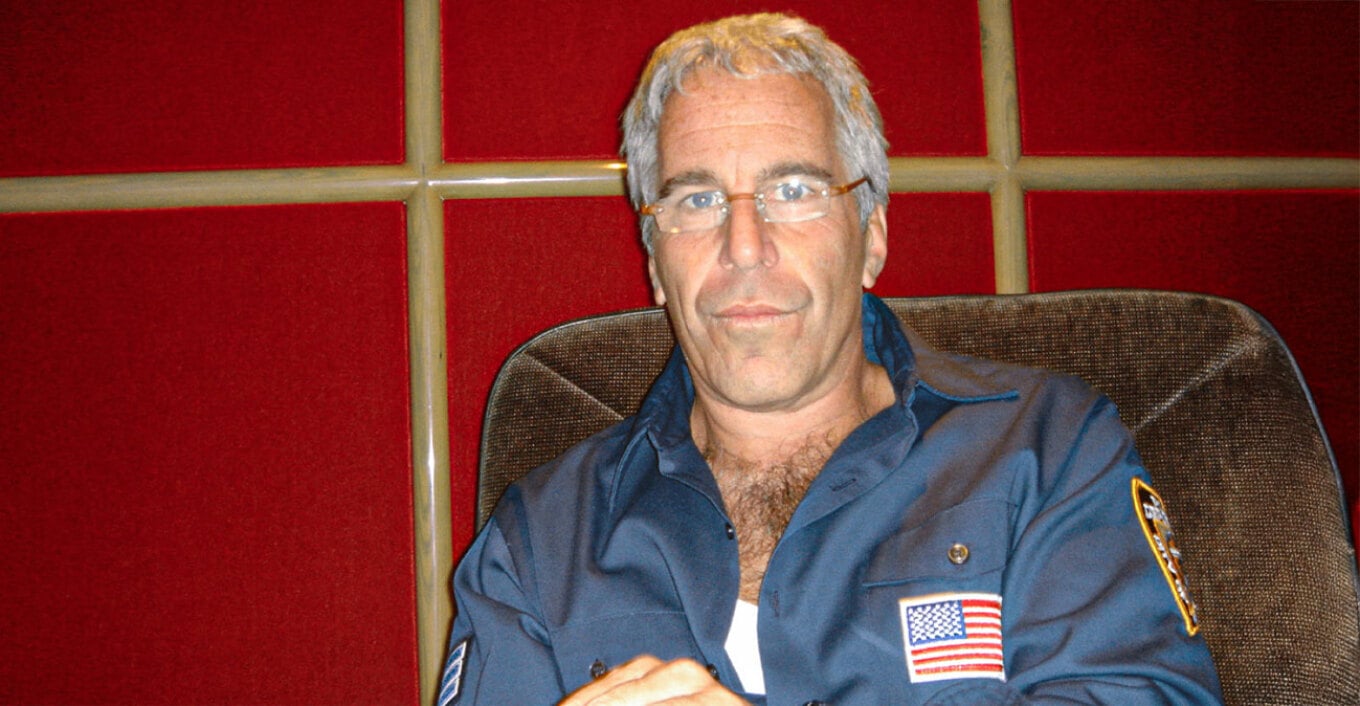
Report: authorities did not act when they should have
The committee’s 15-month investigation, led by Republicans, examines how criminal investigations into Epstein and his close associate, Ghislaine Maxwell, were handled over decades.
According to the report, its findings are based on interviews, sworn testimony, government documents and financial records. The committee’s version is that U.S. authorities failed to fully investigate the allegations and intervene in time, allowing the abuse to continue.
The 2007 agreement and the shadow of political influence
One of the strongest points in the report concerns the 2007 agreement between the prosecutor’s office in the Southern District of Florida and Epstein, which paved the way for him to avoid federal prosecution.
The document suggests that this was not simply a matter of poor professional judgment. According to the report, Epstein’s broad influence through his connections with powerful people may also have been at play.
Death in jail and the gaps that remain
The report also addresses Epstein’s death in 2019 while he was being held in jail in New York awaiting trial on sex trafficking charges. The committee’s conclusion is that there was a chain of failures at the penitentiary institution: staff shortages, overworked employees, incomplete documentation and weak security measures.
Investigators also acknowledge that the evidence collected has not definitively closed off some theories related to his death. Among the unresolved issues is an interruption in the security camera footage, an element that keeps public suspicions alive.
Documents, victims and criticism of the Justice Department
The committee also highlights problems in the Justice Department’s handling of documents. According to the report, publication with insufficient redactions exposed personal and sensitive data of some victims, later forcing authorities to withdraw thousands of pages from the official website.
The family of Virginia Roberts Giuffre, one of Epstein’s best-known accusers, welcomed the publication of the report but called for fuller transparency. They emphasized questions surrounding documents that have still not been made public and called for the release of all relevant materials.
Political clash and calls for further investigations
Republican committee chairman James Comer claims that Epstein operated for years without oversight, protected by powerful connections and by a justice system that, he says, failed the victims. He called on the Justice Department to re-interview key witnesses and investigate people linked to Epstein who are accused of criminal activity.
On the other hand, Democrat Robert Garcia opposed the report, saying it is based on an incomplete investigation and lacked public hearings. The political debate has also extended to the name of Donald Trump, who is mentioned thousands of times in the published documents, but the report itself states that its review of the materials did not identify evidence that would implicate him.
The report brings back into focus not only Epstein himself, but above all the role of the institutions that, according to this investigative version, failed to stop him in time.
Questions over individual responsibility, unpublished documents and the network of influence that protected him for years remain unresolved.