
For the local elections of May 9, 2027, 2.5 billion lek has been made available, a fund that, according to CEC chief Ilirjan Celibashi, is considered sufficient for organizing the process. But beyond the budget figure, the debate remains focused on electronic voting, where the CEC acknowledges that without political agreement there can be no further expansion.
Election fund is separate from the CEC’s regular budget
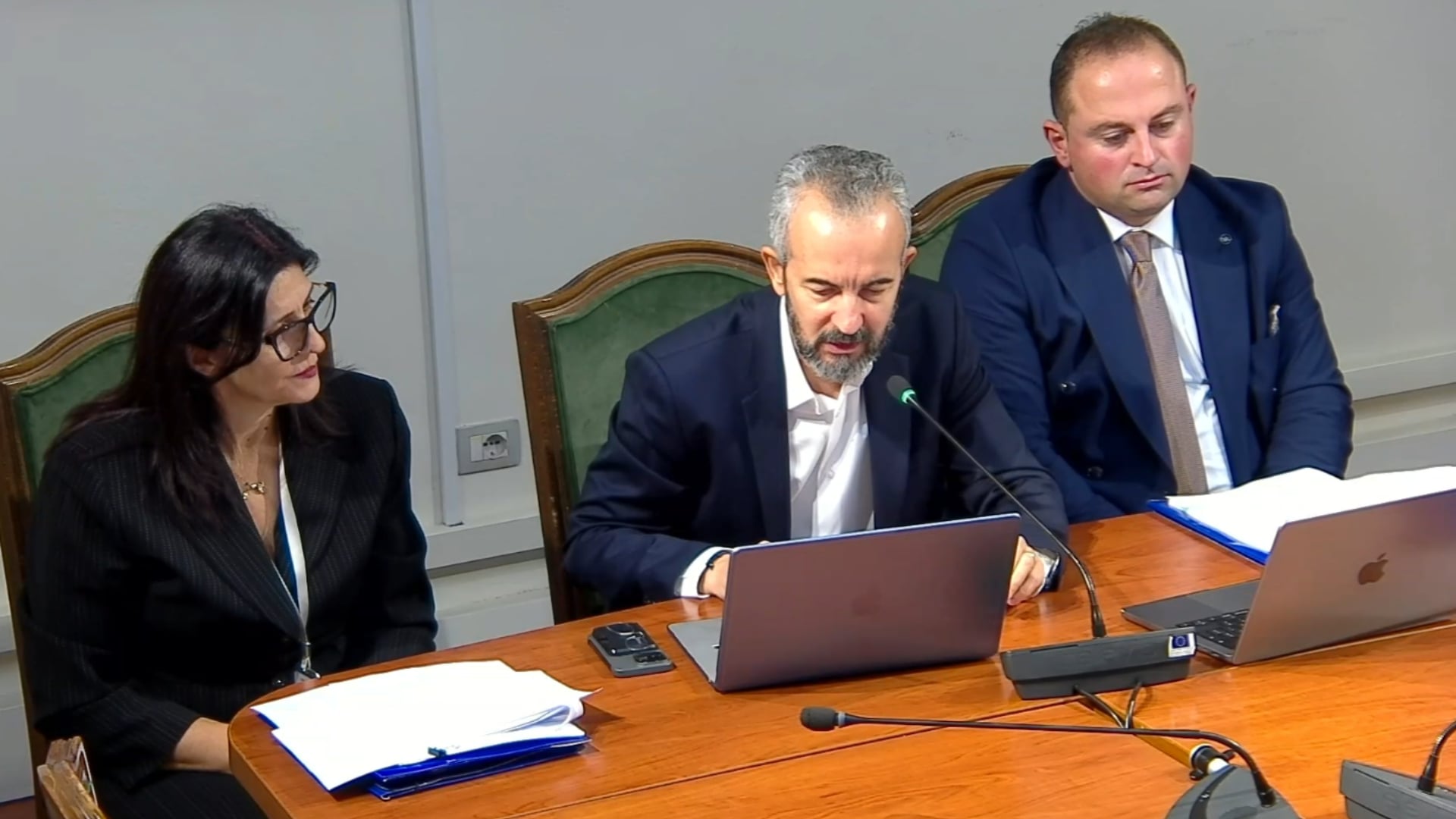
During a report to the Committee on Citizen Initiatives, Cooperation and Institutional Oversight on the 2027 draft budget, Celibashi said election financing had been agreed with the Ministry of Finance.
According to the figures presented, 454.25 million lek has been earmarked for the functioning of the CEC institution, while the 2.5 billion lek for the elections has been calculated as a separate contingency and not as part of the regular institutional budget.
According to the version presented by the CEC, these funds are expected to be disbursed after the budget law enters into force and after January 1, with no obstacles foreseen in organizing the process.
The CEC acknowledges the limit: electronic voting goes up to around 450 polling stations
The report also discussed electronic voting and counting, a topic that for years has been presented as a technical solution for the electoral process, but which continues to remain limited.
Celibashi said the CEC has the capacity to carry out this process in a maximum of around 450 polling stations. According to him, it then remains to be decided where exactly this form of voting would be extended.
This means that even according to the institution’s own assessment, the expansion of electronic voting is today not a finalized plan, but a possibility conditioned both by technical capacities and political decision-making.
Celibashi attributes the blockage to the lack of political agreement
The head of the CEC said the institution would like a broader rollout of electronic voting, but claimed that the Democratic Party does not agree with the expansion of electronic counting.
According to him, as long as there is no legal obligation and no consensus between the majority and the opposition, the CEC cannot commit additional spending from the state budget to move the process forward.
In this way, responsibility for the political decision was once again pushed back to the parliamentary sides, while the electoral institution maintained the position that without agreement it will not take additional steps.
CEC warning: time is narrowing
Celibashi warned that deadlines are becoming a problem in themselves. According to him, every passing day makes the technical implementation of electronic voting and counting more difficult, even if a political agreement is reached later.
The CEC’s message is clear: the election fund has been calculated, but for technology in the process a decision still does not exist. And without a swift political decision, the discussion on expanding electronic voting risks remaining only at the declarative level.
The May 9, 2027 elections have thus entered the financial planning phase, but not the phase of political clarity on how voting will be carried out.
For the moment, the figure of 2.5 billion lek is confirmed in the draft budget, while electronic voting remains hostage to a consensus that, according to what was said in Parliament, still does not appear close.