
Concerns over the presence of aflatoxin in milk have prompted an official response from the National Food Authority, but data made public by the institution itself show that not everything passed without problems. According to the official version, two samples of imported corn were found to be outside the allowed limits, while the rest were declared compliant.
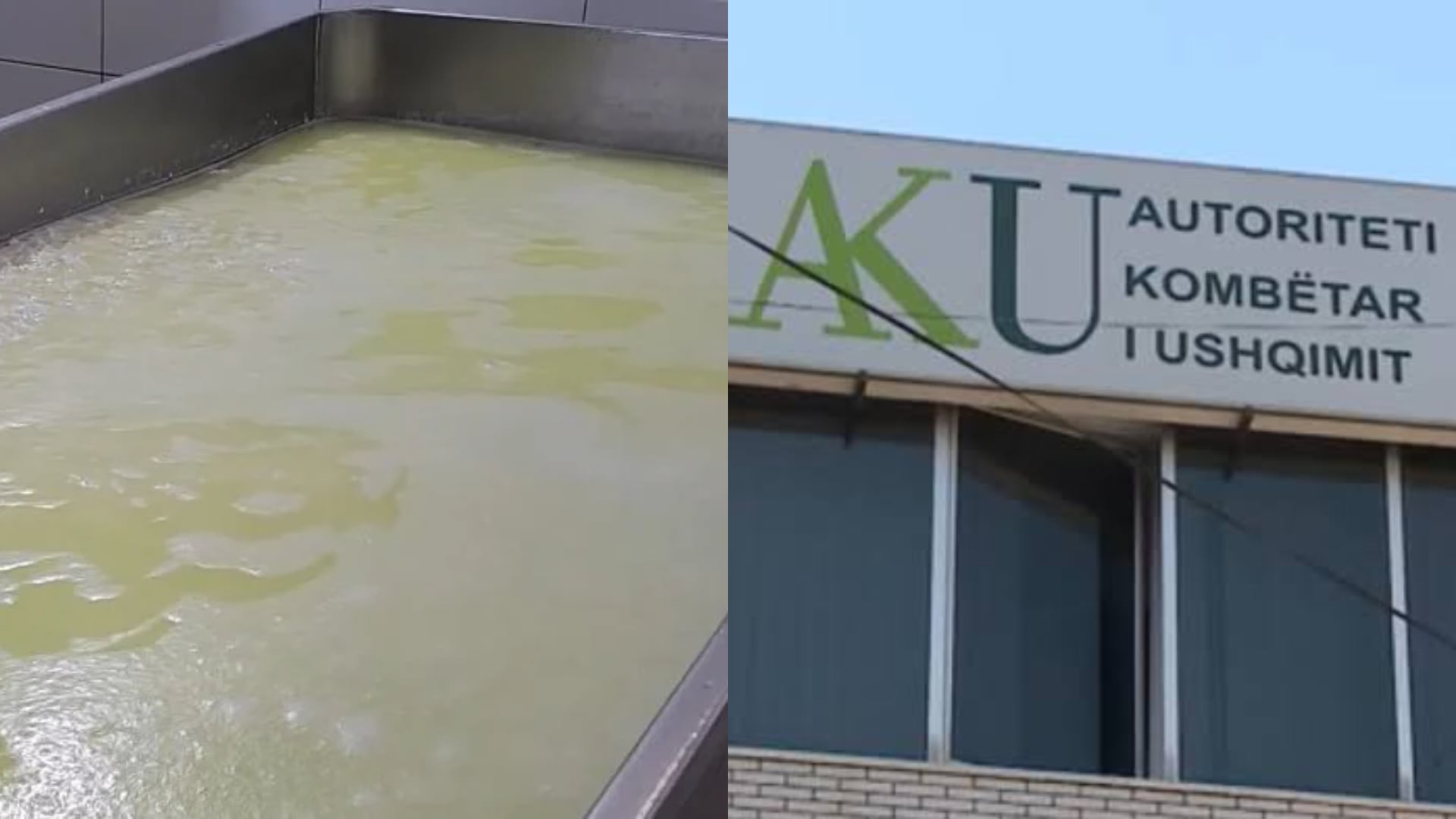
What AKU acknowledged in its response
In its press statement, AKU said that during the period January 1-October 31, 2026, 28 samples of animal feed were taken at Border Inspection Points for analysis of aflatoxin B1.
According to the institution, 26 of these samples were compliant, while 2 corn samples originating from Greece were found to be outside the allowed limits. For these cases, AKU claims the product was destroyed.
Additional checks and cargo held pending analyses
AKU says it has drawn up a quarterly action plan to strengthen controls on imported corn, a move that comes only after the alarm became public.
Within this framework, 16 other samples have also been taken and sent to the ISUV reference laboratory for analysis of the presence of mycotoxins. Until the results are released, according to AKU, the corn will remain blocked in the subject’s warehouses.
Old questions over quality control
The issue does not appear on ground without precedent. Problems with grain quality were previously investigated by the Supreme State Audit for the 2020-2025 period.
The findings of the Supreme State Audit identified problems ranging from storage conditions to the lack of laboratory infrastructure to analyze various quality elements of wheat and corn. This makes the current response more than a technical clarification: it revives doubts over how effective the real control is in the food safety chain.
Aflatoxin and the food chain
The fact that the analyses are focusing on animal feed is central to public concern, since any problem at this stage directly affects the safety of products that are later consumed.
For the moment, the official version insists that the problematic cases were identified and blocked, but the very acknowledgment of samples outside the norms and the shortcomings identified over the years by state audits keep the debate open over the reliability of the controls.
AKU’s response provides some figures, but it does not close the questions about the filters that should function before such an alarm reaches the public.
At its core, the issue is not only how many samples turned out compliant, but how strong the system is in guaranteeing that risky products do not pass through the control chain.