
A problem in air traffic control communication systems has forced US authorities to halt flights to the United States, raising another alarm over the fragility of aviation infrastructure. Authorities presented the decision as a safety measure, while the full consequences remain unclear.
Emergency decision to suspend flights
The Federal Aviation Administration (FAA) announced the suspension of flights to the United States nationwide after a problem affected air traffic control centers.
According to the official version, the measure was taken for safety reasons and under conditions described as extraordinary. So far, authorities have not provided a clear tally of the exact number of flights affected.
What is known about the fault
According to US Transportation Secretary Sean Duffy, the problem is linked to communication systems at air traffic control centers across the country.
The FAA said technicians have begun checks to identify the cause of the fault, but at this stage no more detailed technical explanation has been made public about the origin of the disruption.
Thousands of planes in the air, departures were halted
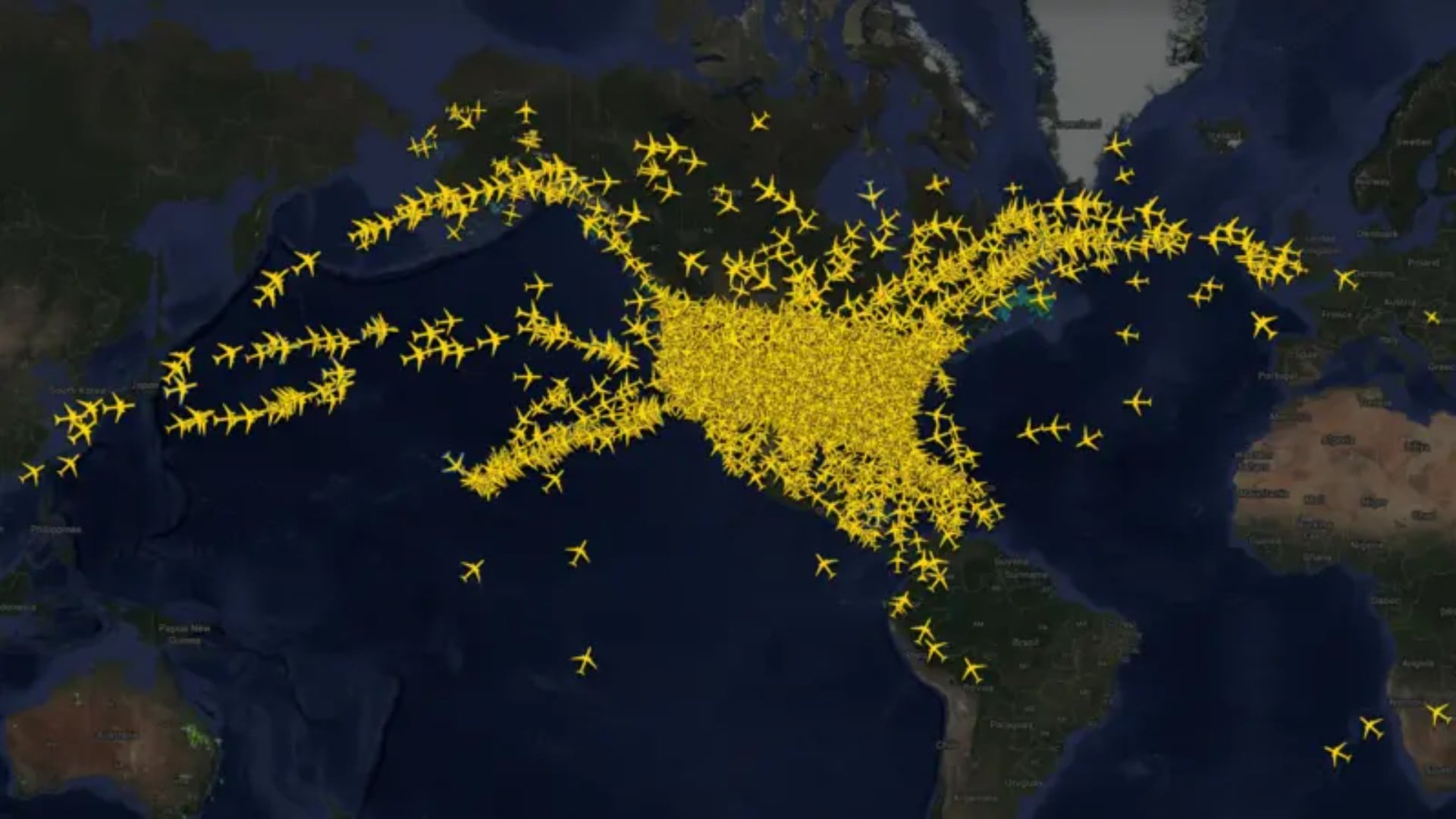
Data published by the Flightradar24 platform showed that about 3,100 aircraft were in the air bound for US airports at the time of the suspension.
According to the same platform, no other aircraft were taking off at that time, indicating the immediate scale of the disruption in air traffic.
Uncertainty over international flights and duration
For international aircraft already en route to the United States, the FAA said decisions would be made on a case-by-case basis.
It is still not known how long the suspension will last or how broad the real impact is on the flight network. For now, the public and airlines have only partial notices, while answers about the cause and scope of the incident remain open.
The incident highlights how quickly a communications fault can paralyze a critical part of American air transport.
Until the situation is fully clarified, serious questions remain over the resilience of the systems that keep one of the busiest airspaces in the world moving.