
Edi Rama’s request to expel Elisa Spiropali from the Socialist Party has brought to light another episode of tension within the ruling majority, but without a clear formal decision. At the end of the meeting, what remained was a strong political demand, objections to “extreme measures,” and the significant fact that the Assembly did not put the issue to a vote.
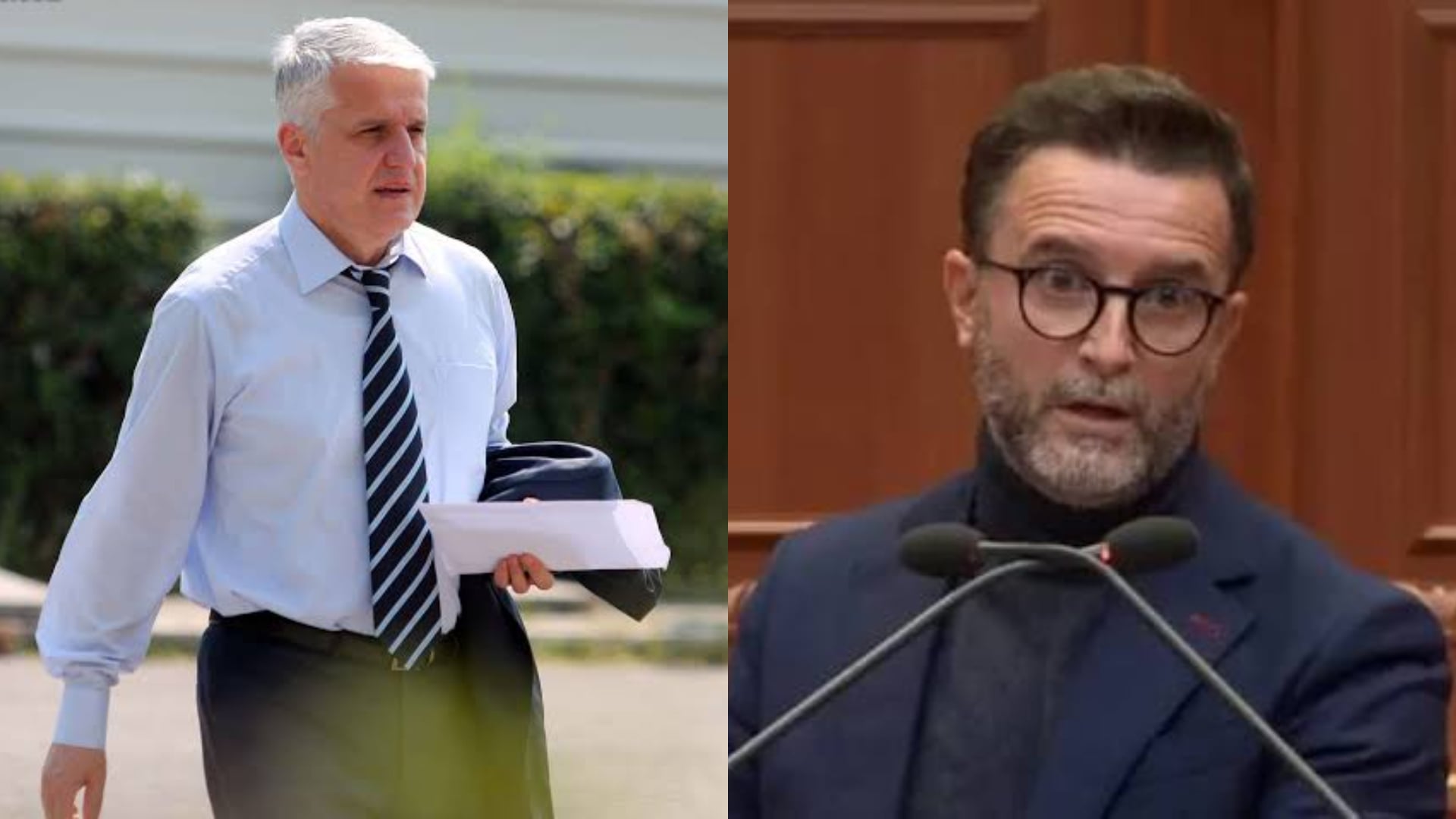
Braçe and Majko opposed extreme measures
During the discussions at the meeting where Rama requested Spiropali’s expulsion from the Socialist Party, MPs Erion Braçe and Pandeli Majko reacted by taking a restraining position toward the proposed measure.
They did not become part of the debate with a vote explanation, but according to the report made public, they stressed that “the essence is that there should be no extreme measures.”
Their position suggests that within the Socialist Party there were reservations not about the concerns raised regarding Spiropali, but about how the case should be handled politically.
Rama’s concerns were supported, but not the formula of expulsion
According to information reported from the meeting, Braçe and Majko agreed with Rama’s concerns regarding Spiropali.
This makes the split between the two levels of the debate even more visible: acceptance of the problem on the one hand, and rejection of a drastic measure on the other. In political terms, the message appears clear: not every criticism from the party chairman necessarily translates automatically into expulsion.
The Socialist Party Assembly did not vote on the expulsion
Despite Rama’s request for the expulsion of Spiropali-Ndreca, there was no vote on the issue in the Socialist Party Assembly.
The absence of a vote leaves the situation in an unclear political zone: the request was articulated, the debate took place, but the party body did not produce a formal decision. For a force that often presents its processes as structured, this detail remains essential.
Klosi: Spiropali remains a member of the Socialist Party
After the meeting ended, Socialist Party Secretary-General Blendi Klosi publicly confirmed that Elisa Spiropali is a member of the Socialist Party.
In practice, this means that despite the prime minister’s request, her status in the party has not changed. Until another formal decision is made, the official version emerging from the meeting is that Spiropali remains part of the Socialist Party.
The episode raises questions not only about internal relations within the Socialist Party, but also about the way conflicts at the top of the party are managed publicly.
When an expulsion is requested and then no vote is held, it remains unclear whether this was a political retreat, a lack of consensus, or a show of force that could not be turned into a decision.