
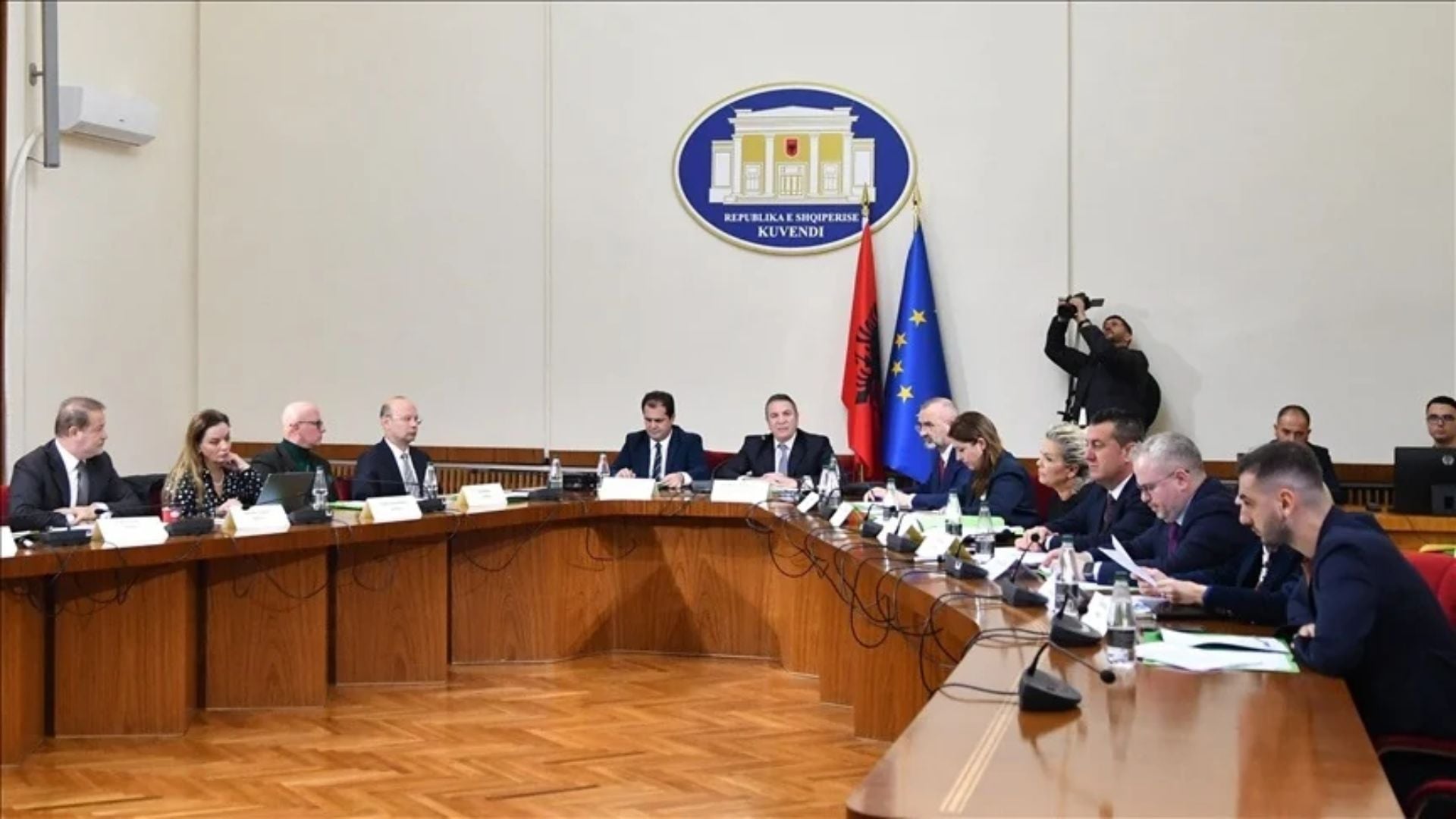
The Special Parliamentary Commission on Electoral Reform has formally approached the OSCE/ODIHR to request international experts, a move that shows the process for changes to electoral legislation is once again relying on external assistance for issues that have remained unresolved.
Official request for experts
According to the letter sent on behalf of the Commission’s co-chairs, the OSCE/ODIHR has been asked to appoint experts who will join the working group drafting the proposed acts within the framework of electoral reform.
The decision to take this step, according to the letter, was made at the meeting held on November 17, 2026. The Commission is asking for the names of the experts to be officially communicated so they can be included in the activity of the expert group.
What the Commission aims to do
The official version speaks of the need to address the remaining issues and to reflect OSCE/ODIHR recommendations in the changes that will be drafted.
The letter stresses that the involvement of international experts will serve to continue and complete the work already begun, as well as to bring specialized expertise during the preparation and finalization of the draft acts.
Another reform under international oversight
The request for assistance from the OSCE/ODIHR comes in a process that, for years, has been accompanied by interventions, recommendations and observations from international partners, while Albanian politics has struggled to produce lasting consensus through its own mechanisms alone.
The fact that the Commission is once again seeking outside experts suggests that not all of the reform’s knots have been untied on the political and technical levels, despite the usual declarations about an inclusive process and democratic standards.
What the letter contains
In the communication addressed to the OSCE/ODIHR, the co-chairs express appreciation for the cooperation so far and request support in appointing experts who will contribute directly to drafting the proposed acts.
The letter also underlines a commitment to a process supported by professional expertise and international recommendations, while it remains to be seen how many of those recommendations will actually be translated into concrete changes to the Election Code.
So far, neither the number of experts being requested nor the timeframe for when the OSCE/ODIHR may respond to the request has been made public.
In essence, the political signal is clear: electoral reform remains at a stage where legitimacy and credibility are still being sought through the seal of international expertise.