
The government is putting forward an expansion of the “after school” program, with the goal that during 2027 students will remain at school until 5:00 PM. The plan comes with a fund of €5.5 million, but alongside the promise come familiar question marks: how many schools actually have the necessary conditions, and how uniform implementation will be across the country.
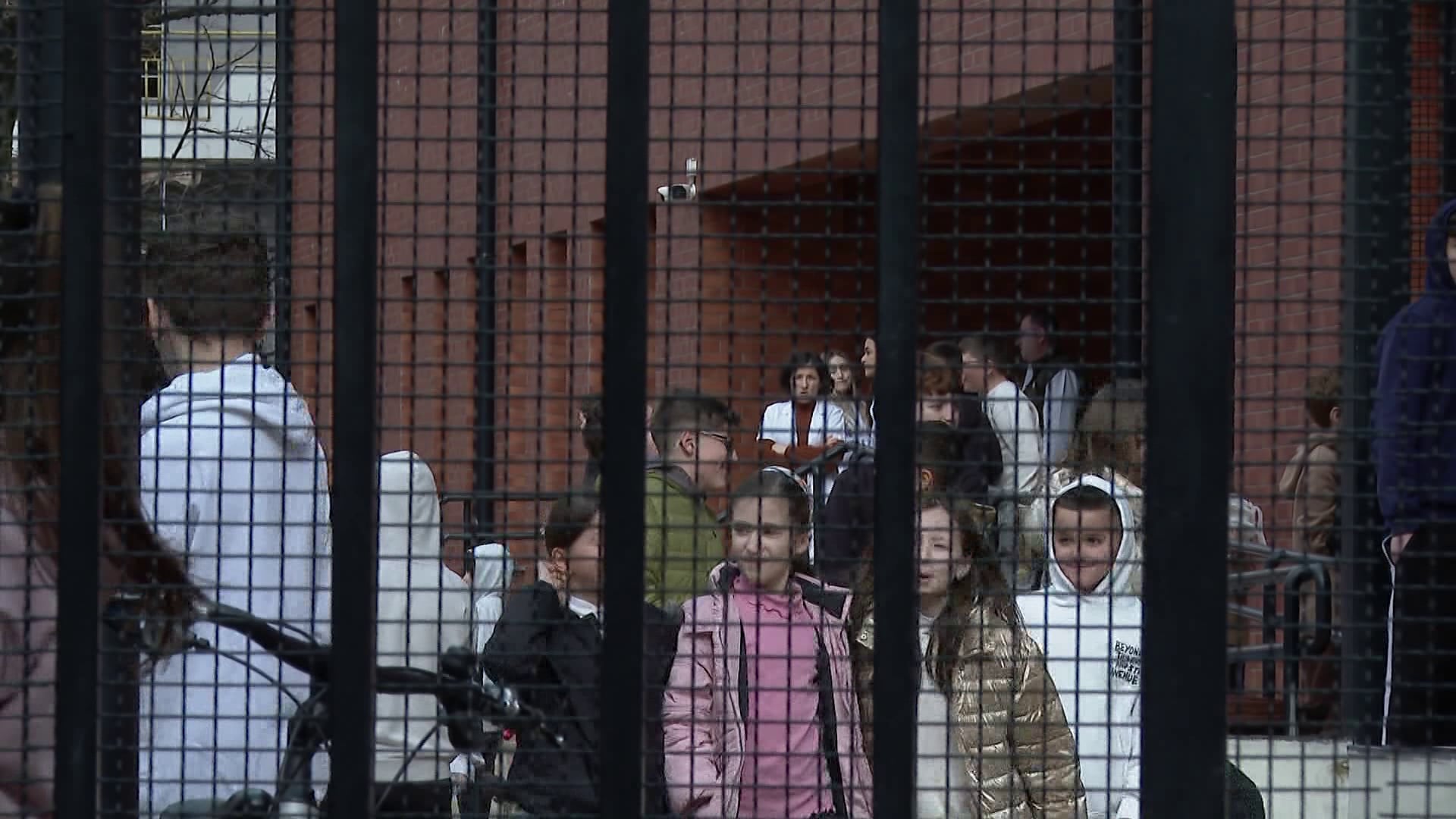
From 408 schools toward nationwide expansion
The program began this school year in 408 educational institutions nationwide and, according to the official version, is planned to expand further.
The planned package is not limited to doing homework on school premises or craft activities. New modules have also been mentioned, such as a science club and a foreign languages club.
Relief for parents, but not without standards
For education experts, the idea could bring relief for families, especially when parents are unable to pay for private courses or work late.
Ana Llazo sees this model as a familiar practice in developed countries, where time at school runs until 4:00 PM or 5:00 PM. According to her, this would give greater peace of mind to parents who know that their children remain in a school environment during the afternoon hours.
€5.5 million on paper, infrastructure remains the challenge
The Ministry of Education has allocated €5.5 million to finance the program. However, teachers and voices from the field of education raise a direct concern: without basic investment in infrastructure, extending the school day risks remaining more of an administrative plan than quality content.
According to this view, the funds should not be seen only as formal coverage of the program, but as a need for concrete learning conditions and activities that do not turn the afternoon into a tiring and ineffective routine for students.
The program is not mandatory
Participation in the “after school” program is not mandatory. Parents must apply through the online SMIP system for their children to be included.
On the other hand, there have been calls for the initiative not to remain only in a pilot format or with partial reach, but to become accessible to all students as early as the next school year, if the aim is truly equality in education and not only official statistics.
In essence, the project is presented as support for families and for organizing children’s time, but the real test will not be the budget announcement. It will be measured in conditions in schools, the quality of activities, and whether the expansion will truly reach every area or remain uneven between the center and the periphery.