
The scale of technology use in high-stakes exams is once again coming to the surface in South Korea. According to the official account from the authorities, 111 candidates are suspected of violating the rules of the national university entrance exam by using electronic devices such as smart glasses, micro cameras and wireless earbuds.
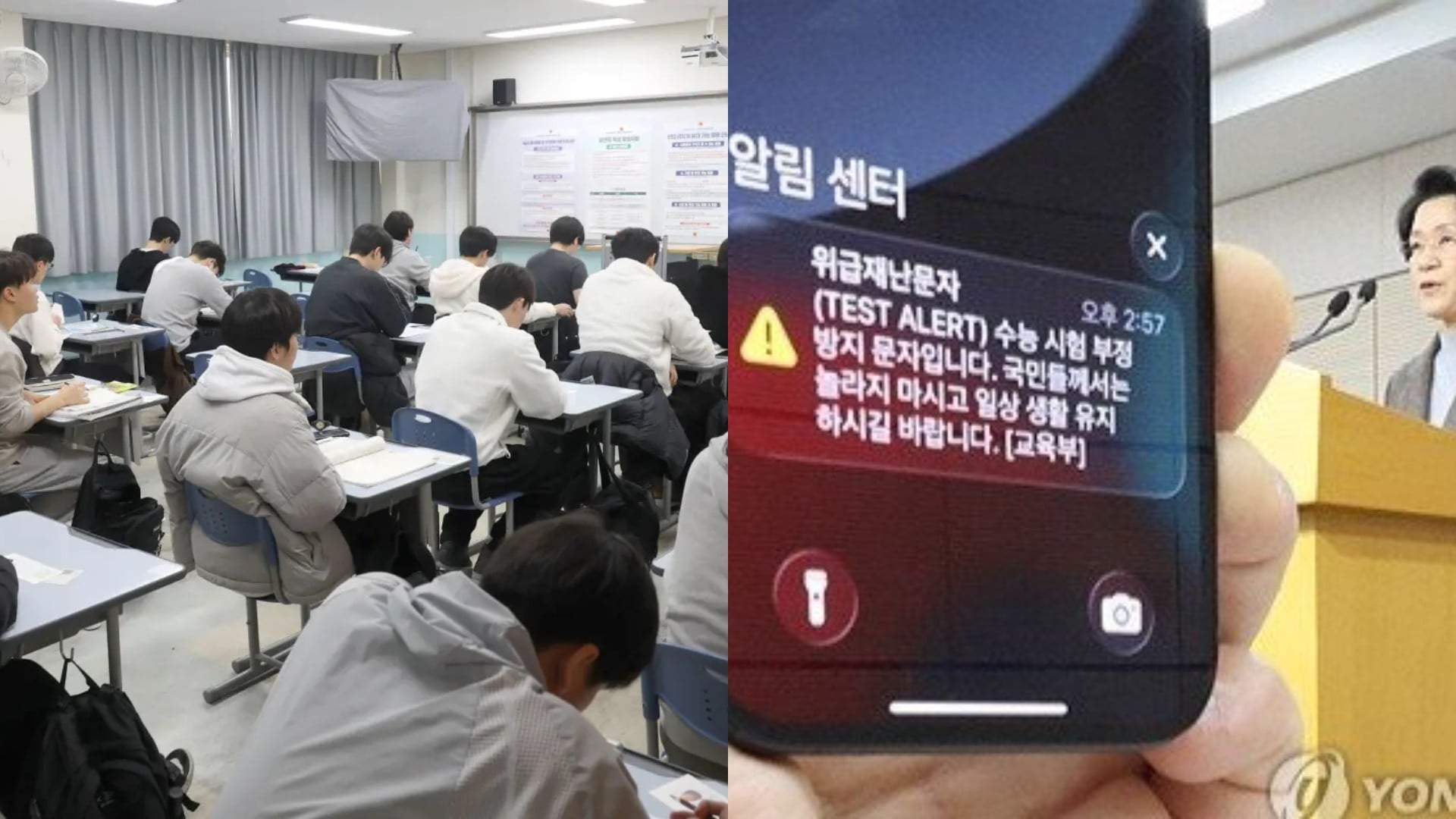
The figure rose after verification
According to Yonhap, the Education Ministry announced on November 20 that the number of suspected cases rose from 98 to 111 after checks carried out by the authorities.
This is one of the most sensitive tests in the country, so any suspicion of technological interference directly affects the credibility of the process. For now, the institutions have referred to suspected cases rather than violations definitively confirmed in each episode.
How the devices were detected during testing
According to South Korean authorities, emergency alert messages were sent three times to mobile phones in order to identify hidden devices. This method, they said, helped supervisors detect 54 candidates who had not handed over their phones before the exam began.
Another group of cases, 52 in total, was identified through security checks, including the verification of Wi-Fi signals. Five other candidates, according to the official announcement, were caught using smart devices during the test.
Specific cases involving smart glasses and wireless earbuds
In South Chungcheong Province, one candidate was found with smart glasses. In Gyeonggi Province, another is suspected of having used a micro camera and wireless earbuds.
These cases shed light on how small technological tools are making traditional exam controls more difficult, even in education systems known for high discipline and strong supervision standards.
Measures were tightened after an earlier scandal
The increased checks come after a candidate with the highest score on the tax expert certification exam earlier admitted to cheating by using artificial intelligence and electronic devices.
After that case, South Korean authorities strengthened measures to curb the use of technology during exams. The Education Ministry is expected to review the identified cases to determine punitive measures, while according to the official line, harsher sanctions for cheating with artificial intelligence are also under consideration, including a ban on taking the national exam for 10 years.
The increase in the number of suspected cases shows that the battle between exam rules and technology is becoming increasingly difficult to control using traditional methods alone.
Beyond the figure itself, the issue raises serious questions about the ability of educational institutions to keep pace with new forms of cheating in decisive tests.