
A serious incident during today’s protest has once again put the way police operate on the ground at the center of attention. After Democratic MP Kliti Hoti was injured, the State Police announced that the officer involved has been suspended immediately, while disciplinary proceedings and criminal investigative actions have begun in parallel.
Immediate suspension after the incident
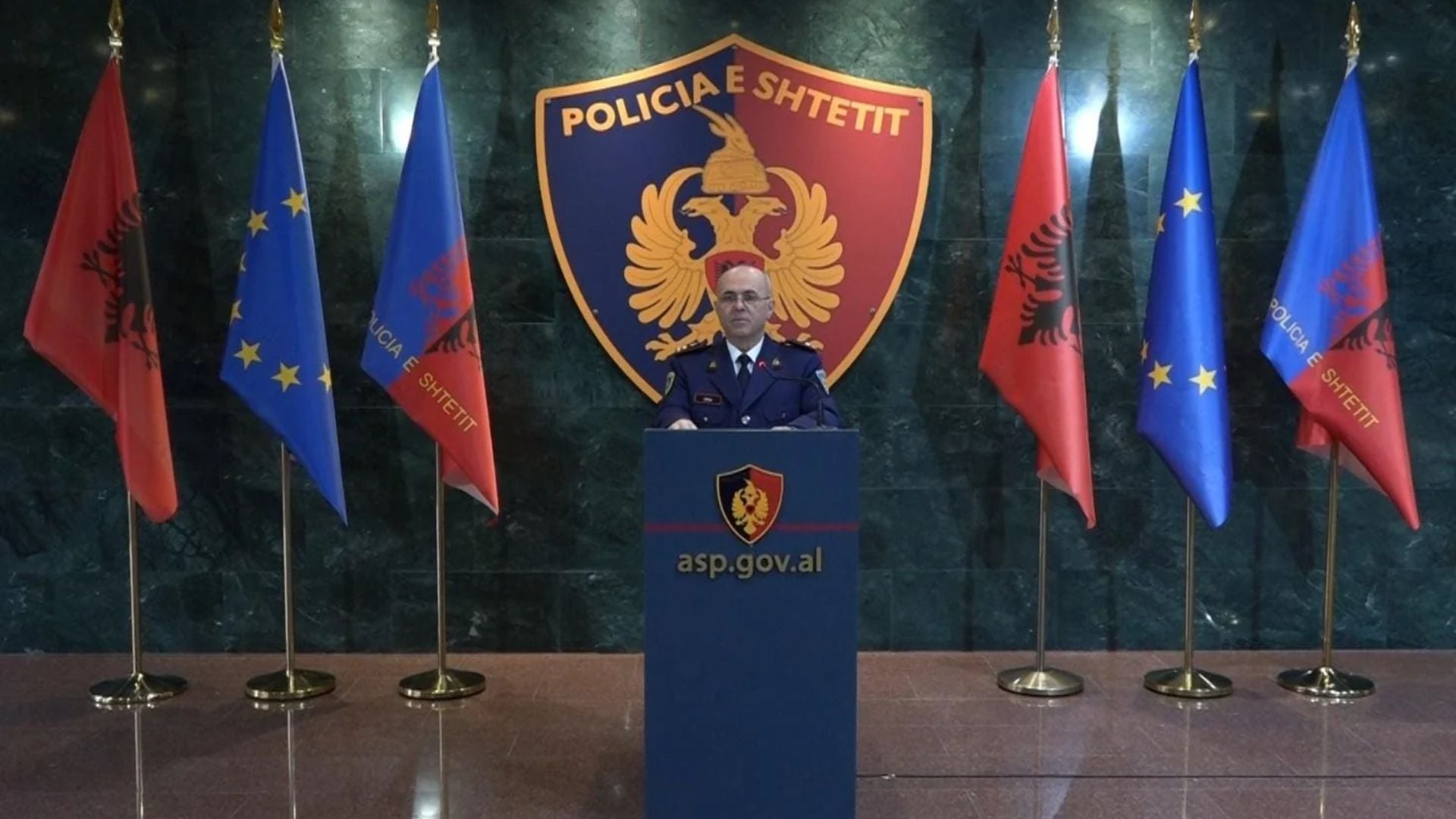
According to the official statement, State Police Director General Skënder Hitaj ordered the suspension from duty of the police employee identified by the initials E.A., who is suspected of having struck the MP during the protest.
Police present the decision as an immediate response after the event, in a case that raises strong questions about control of the chain of command during interventions at protests.
Official version: there was no order to fire
According to the State Police, the officer had not received an order to fire rubber bullets. It is precisely on this point that the Directorate of Professional Standards has opened a disciplinary investigation, referring to video footage and facts related to the employee’s individual actions.
This is, for now, the version of the institutions, while it remains to be verified whether this was an isolated act or a broader operational failure in the management of the protest.
AMP and the Prosecution enter the case
In the same case, the Police Oversight Agency, in cooperation with the Prosecution, has begun investigative actions. At this stage, no further details have been made public on criminal responsibility or the full circumstances of the incident.
The involvement of AMP and the Prosecution turns the matter from an internal disciplinary procedure into a broader test of institutional transparency and verification of police use of force.
The police’s public message and the accountability dilemma
In its reaction, the State Police condemned every act of violence and declared that it remains committed to guaranteeing order, public safety and the constitutional right to protest. It also called on citizens to distance themselves from masked and violent individuals.
However, today’s event itself sharpens the debate over the limits of police intervention and whether responsibility will stop with a single officer, or extend to the leadership levels that managed the situation on the ground.
The case has now taken on an institutional and political dimension, as it concerns the injury of an MP during the exercise of the right to protest.
At this point, the main weight rests on the investigations to clarify not only individual responsibility, but also whether police procedures were actually respected or are only being justified after the event.