The result of Kosovo’s June 7 elections is expected to be certified after the Supreme Court rejected all complaints filed against the process. According to the published rulings, the procedural obstacle has been removed and the matter now passes to the Central Election Commission, which is expected to formalize the result and pave the way for the establishment of new institutions.
The Supreme Court closes the round of complaints
Kosovo’s Supreme Court has rejected five complaints submitted over the election result, leaving the way clear for official certification. The decision closes, at least at this stage, the procedural clash over the June 7 vote.
According to the official version summarized in the rulings, the complaints failed to prove allegations of irregularities or manipulation that would affect the final result.
Serb List complaint rejected
The Supreme Court described as unfounded the complaint filed by Serb List, which claimed that Nenad Rashiq had secured seats in the Assembly with votes from Albanians.
According to the court’s reasoning, the complainant was unable to prove that votes for the Serb community had been manipulated or orchestrated, while the claims were considered merely declarative and unsupported.
Claims over Bosniak votes and recount requests also rejected
The court also dismissed two complaints by Nova Demokratska Stranka, which alleged manipulation of votes from the Bosniak community.
Two complaints by Democratic Party of Kosovo candidates Bekim Haxhiu and Qëndrim Kryeziu were also rejected. They had requested a full recount of votes for PDK candidates, alleging manipulation.
CEC expected to certify the result, political phase follows
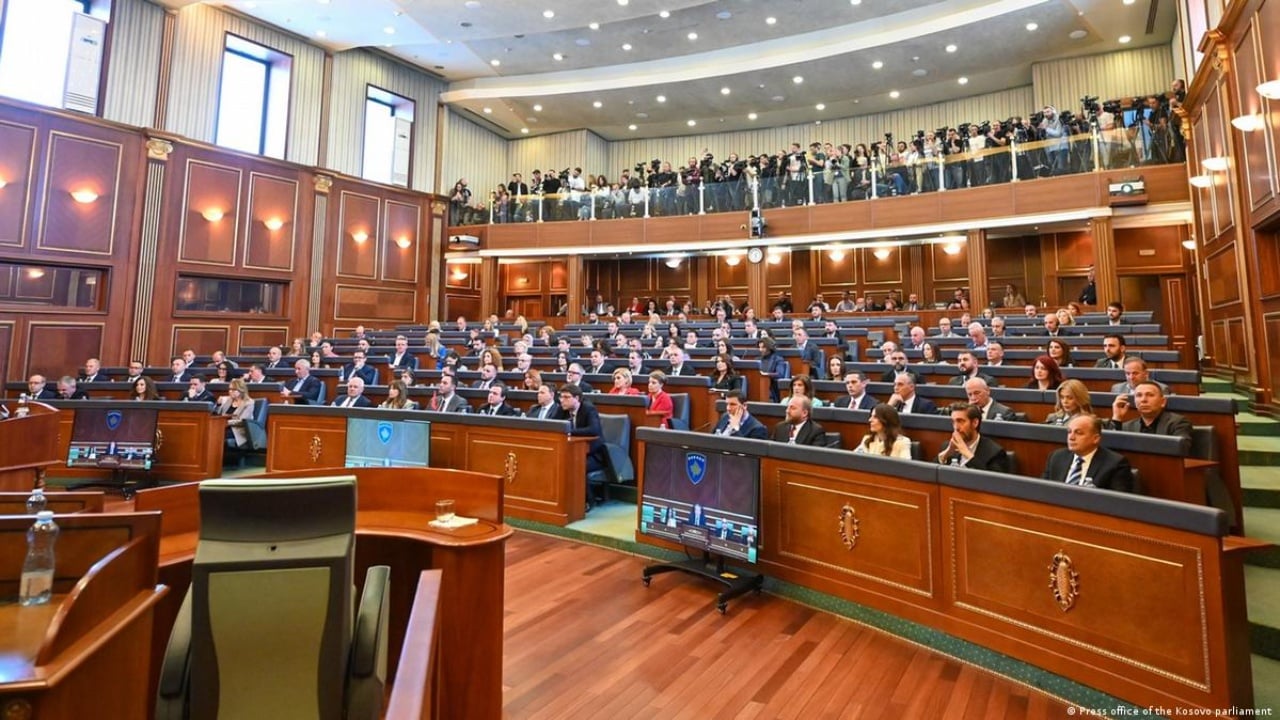
Following these decisions, the Central Election Commission has a clear path to certify the result of the June 7 election. According to the procedural notice, the CEC will hold its next meeting on Wednesday, July 8, when it is expected to carry out the certification.
After that, the deadline begins for the constitution of the Assembly of Kosovo, a process that according to expectations should take place within about a month. After the Assembly, the process moves to the formation of the government and the election of the president.
How the mandates are distributed according to the result
According to the reported election result, Lëvizja Vetëvendosje emerged as the leading force with 53 mandates. It is followed by PDK with 22 mandates, LDK with 18 and the Alliance with 7.
Certification is expected to turn this distribution from an electoral result into the formal basis for political negotiations and the establishment of new institutions.
With all complaints rejected, the process moves from the judicial phase to the institutional and political one.
What remains to be seen now is whether certification will quickly be followed by the constitution of the Assembly, or whether political clashes will delay this stage as well.