
Another plenary session in Parliament descended into personal clashes and threatening language, this time between Mundësia Party MP Kapri and Socialist Party parliamentary group head Taulant Balla. According to what was said in the chamber, the debate began over property rights and quickly escalated into accusations, political warnings, and references to private messages.
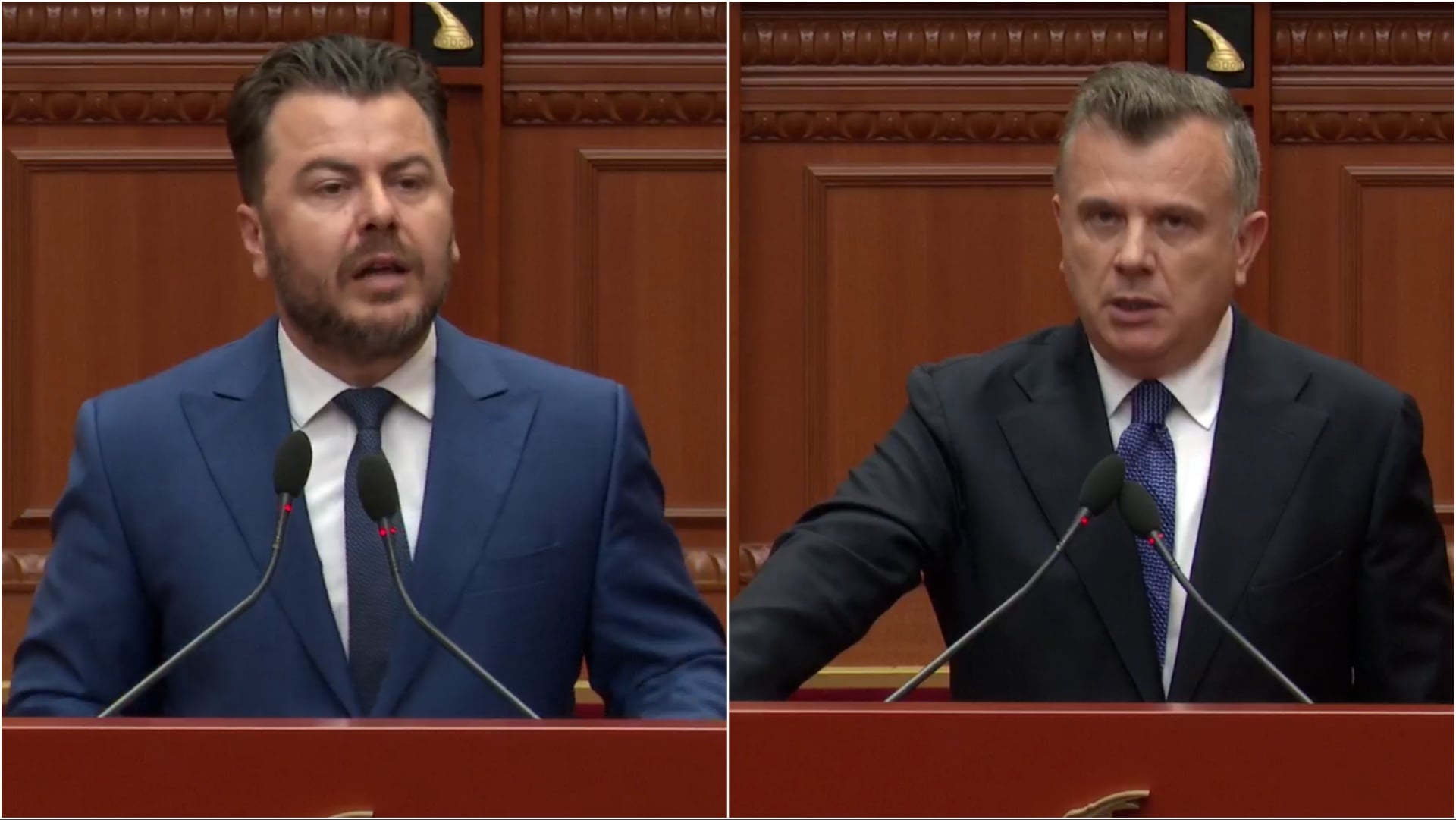
The debate flared over the issue of property rights
From the Parliament podium, Kapri called on the majority to withdraw a legal initiative that, according to him, affects Albanians’ right to property. He warned that if the law is brought to Parliament, the reaction from property owners would be strong and that the political cost for the SP would be heavy.
In essence, the MP’s message was direct: according to him, the political end of the majority could come in a harsher form than simply being removed from power or from politics.
Kapri mentioned Rama and addressed Balla personally
The tone of the debate grew even harsher when Kapri said that thousands of property owners would surround Parliament and that they would not forgive Prime Minister Edi Rama. Along the same lines, he also addressed Taulant Balla personally, telling him that his blackmail does not work and that the opposition cannot be silenced.
His statements moved from political criticism to a direct verbal attack, turning the session into another episode of parliamentary tension, where the substance of the debate risks being overshadowed by the language used.
Balla hit back with accusations and mentioned messages
On the other side, Balla responded to Kapri in equally harsh tones, calling him a “paid liar.” He further said, according to the version he expressed in the chamber, that some colleagues had asked him to publish messages from Kapri and his family members.
It was precisely this part of the intervention that further heightened the situation, as the political debate took on personal dimensions and raised another question about the standard of communication in Parliament: how far does political confrontation go, and where does public pressure begin through materials that are claimed to exist, but were not made public during the session.
The deputy speaker’s intervention and a Parliament that loses the core issue
In the middle of the clash, Spahiu intervened to call the sides to order, reminding them that when an MP speaks from the podium, they should not be interrupted and that each person bears responsibility for what they say.
However, the episode once again confirmed a recurring problem in plenary sessions: debate on issues of public interest, in this case property and a proposed law, is quickly replaced by insults, political threats, and personal insinuations. Citizens, meanwhile, are left without a full clarification of the concrete content of the initiative being opposed and the consequences it could bring.
The clash between Kapri and Balla is another sign of the degradation of parliamentary language, at a moment when the expectation should be transparency about laws, not a spectacle of accusations.
So far, from what emerged in the session, the public has heard more threats and personal challenges than full arguments on the issue that sparked the debate.