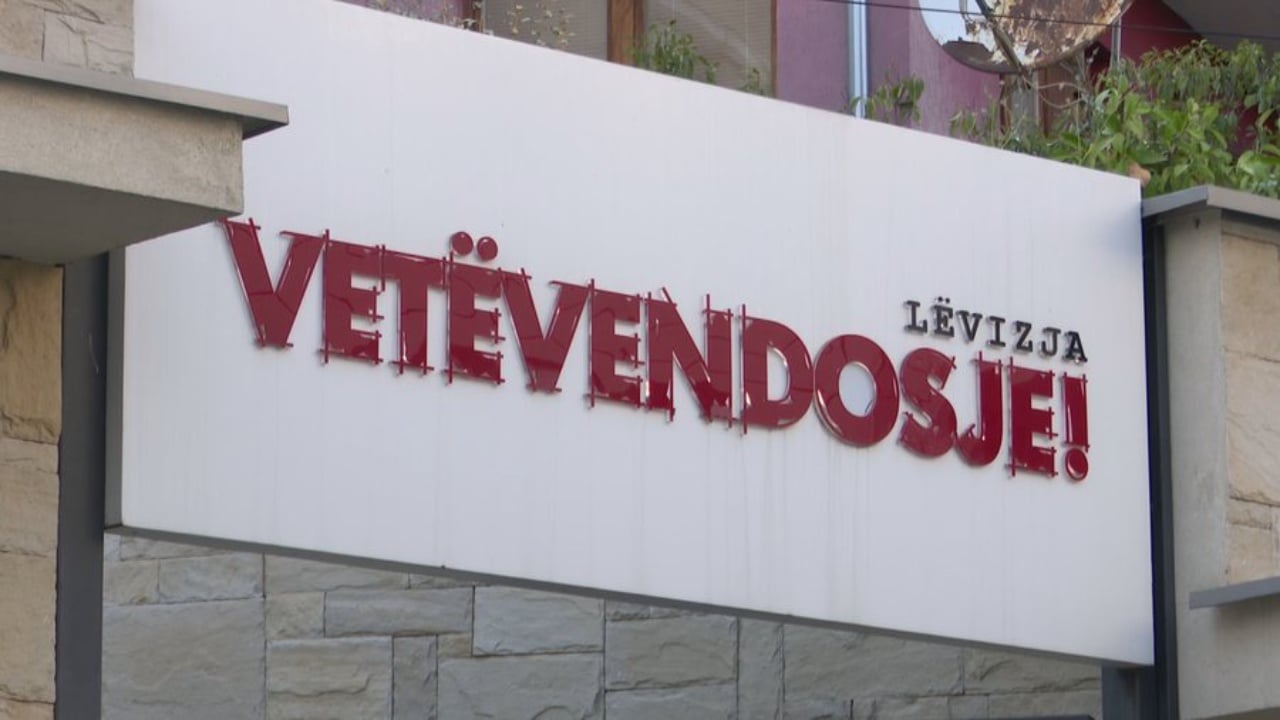
The suspension of negotiations by LDK with Vetëvendosje has revived uncertainty over the formation of institutions in Kosovo. According to reported developments, the move comes after the initiative to dismiss LDK chairman Lumir Abdixhiku, while Vetëvendosje is repeating that the door to an agreement remains open.
LDK halts talks with Vetëvendosje
The Democratic League of Kosovo has suspended negotiations with Vetëvendosje on the creation of new institutions. The step further complicates the political scene at a moment when more clarity had been expected on breaking the institutional deadlock.
According to the information made public, the suspension of talks comes after the initiative to dismiss LDK chairman Lumir Abdixhiku. Up to this stage, there are no further official details clarifying how long the suspension will last and what conditions may be set for a return to the table.
Vetëvendosje: We are ready for further meetings
Vetëvendosje has said that the party remains ready for further meetings and for efforts toward an agreement. This is the version given by the party, in a situation where relations with the opposition appear to have once again entered a phase of political tension.
Vetëvendosje spokesperson Arlind Manxhuka said his party is trying to remain active and constructive in the talks, presenting itself as a side open to compromise.
Warning of deadlock and further elections
In its reaction, Vetëvendosje also raised concern that the opposition could block the process and send the country back to elections. This remains a political accusation articulated by the party, not a proven fact of a scenario already decided.
According to Arlind Manxhuka’s statement, Vetëvendosje’s hope is that the opposition will not “barricade itself” against the process and that a repeat of the elections will be avoided. For now, developments show that the climate between the sides remains fragile and without guarantees of a near-term agreement.
The suspension of negotiations leaves open another phase of uncertainty in Kosovo’s politics, while the burden of finding a way out of the impasse once again remains on the parties.
In the absence of a new agreement, the risk of a deeper political deadlock and a return to elections remains real, at least according to the signals the sides themselves are giving.