
The Interior Ministry has announced that two citizens from North Macedonia, Valon Belja and Bekir Halimi, have been declared “non grata,” linking them to suspicious activities harmful to the Albanian state. But at least for one of them, the official version has not yet been accompanied by directly confirmed communication.
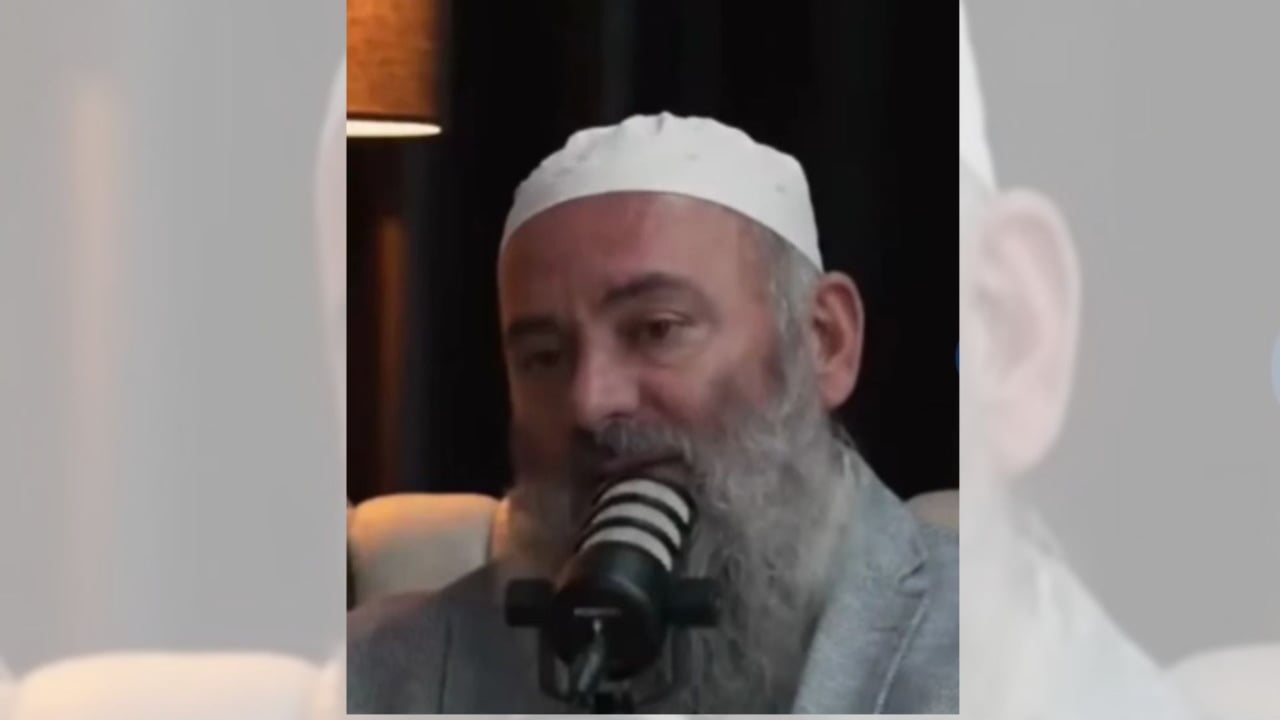
Halimi: I have not verified it officially
In his response, Bekir Halimi says the information about being declared “non grata” has not been officially confirmed to him. He says he is waiting for verification through the Embassy of the Republic of North Macedonia in Tirana.
This position leaves open a key point: the decision has been made public by the Albanian authorities, but according to Halimi, the official notification to him still does not appear to have been clarified through formal channels.
He mentions cooperation with Shkodra County
Halimi says the last activity he carried out in Albania was a cooperation with Shkodra County, within the framework of the government, for a promotional activity for Albania in the international arena.
According to him, because of his contribution and role in that project, he and his associates expect to receive Albanian citizenship soon. In the same statement, he adds that until then he considers himself subject only to the laws of his own state.
He denies any ties to organizations
In his public reaction, Halimi says that throughout his life and career he has not been affiliated with any organization or formation, national or international.
He presents this as a conscious choice and mentions as part of his engagement only participation in the KLA wars in Kosovo and in Macedonia during the years 1998–2001.
His religious role and public statement
Halimi says he has been and remains part of the Islamic Religious Community of North Macedonia, which he calls his only representative institution.
He adds that he will continue to perform his duty as a hoxha and that his mission remains religious calling and opposition to phenomena that, according to him, bring serious consequences for the individual and society.
So far, the Interior Ministry has made the decision public for the two citizens, while Halimi’s response indicates that he is still awaiting official confirmation through diplomatic channels.
This discrepancy between the public announcement by the authorities and the claim of a lack of official notification raises questions about the transparency and procedure followed in a decision with direct consequences for the movement and status of the people involved.