
Prime Minister Edi Rama used another appearance marked by strong political tones to present the country’s record in maximalist terms, saying that Albania “has never been better.” In the same speech, he also addressed comments about his physical appearance, mentioning an episode that, according to him, was linked to an attempt to “wipe him off the face of the earth.”
Rama’s claim about the state of the country
According to the prime minister’s statements, Albania today is more highly regarded internationally and has more real opportunities for development than before.
Rama said it is not enough to compare the country with the point from which it started, but insisted that the current situation is the most favorable Albania has had to date. He linked this assessment to the way the country is perceived abroad, in his view, and to the room it has to do more.
‘The country is not for sale,’ a politically charged message
In his speech, Rama said Albania has not been a “country for sale” or “sold out,” presenting this as the main reason why the country, according to his version, is respected internationally and continues to grow.
This was one of the most politically charged points of the statement, in which the prime minister presented development and international support as a consequence of the government’s current direction. However, he acknowledged that the country needs to grow more and faster.
His response to comments about his physical appearance
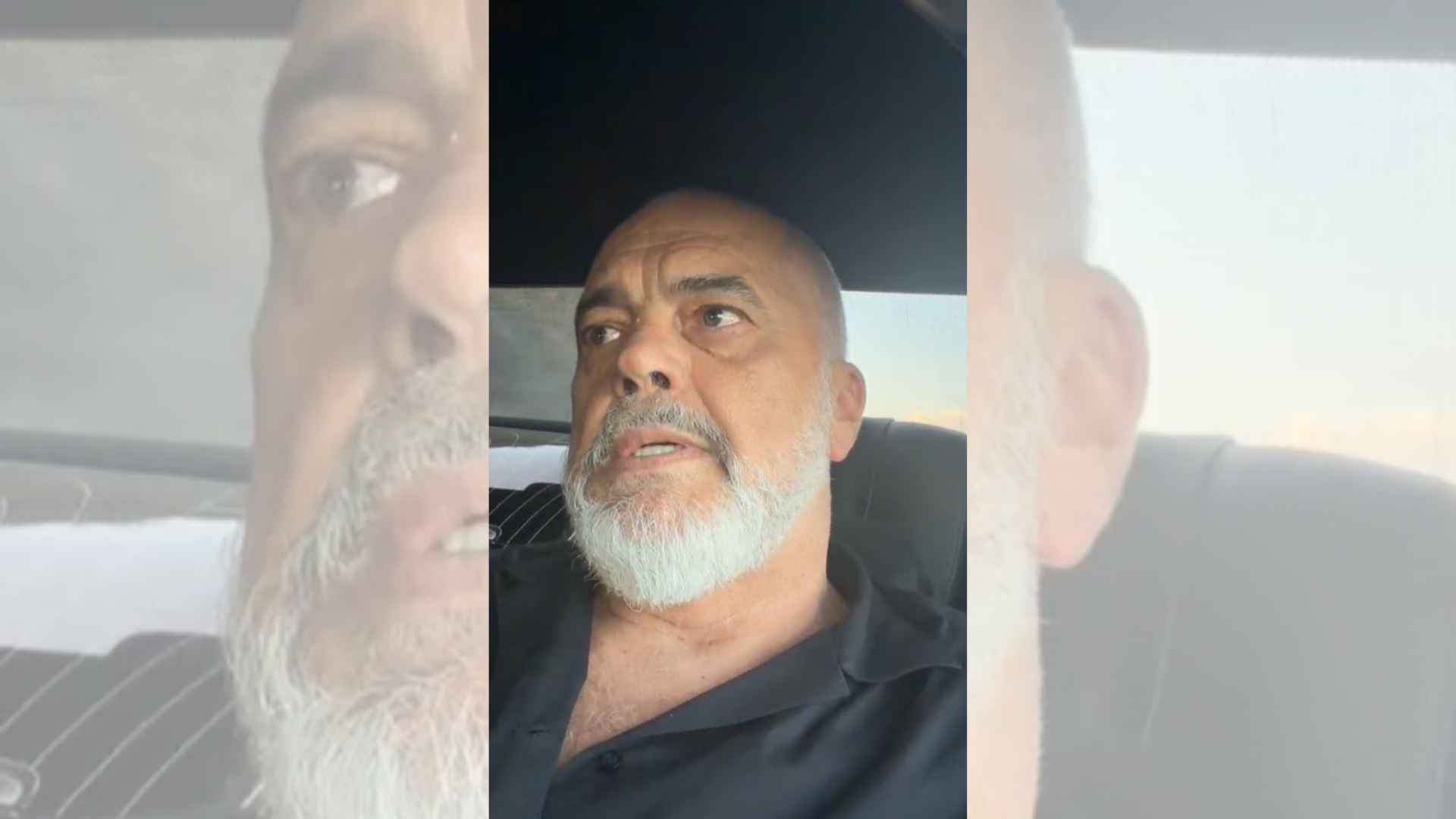
Rama also addressed comments made about the asymmetry of his nose. He said the distortion pointed out by others is a mark that, according to him, remains from an attempt to eliminate him.
Along the same lines, the prime minister said he will carry this mark for the rest of his life and used this part of the speech to respond to those who focus on his physical appearance.
A personal message intertwined with the political narrative
At the end of this part of the speech, Rama linked the personal episode to a broader message about Albania, saying that even when he had no power, he wanted to live in a country that “stood upright” and where people would not lower their heads when asked where they were from.
He added that he was not there to tell his personal story and that, if he were ever to do so one day, he would speak about the things he has not managed to do.
Rama’s statement once again intertwined self-promotion of the government’s record with personal and emotional elements, a formula the prime minister often uses in public appearances.
Beyond the triumphant tone used in the speech, such assertions remain political statements that require critical reading, especially when presented as uncontested proof of the country’s real condition.