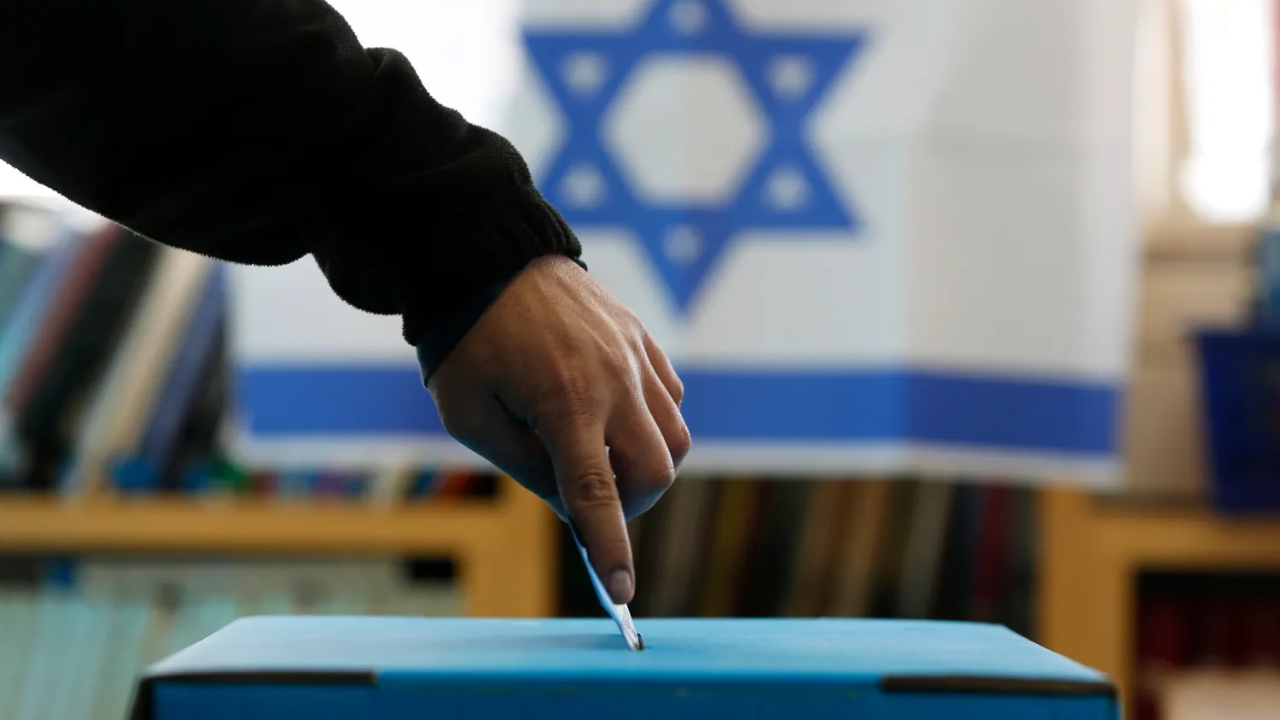
Israel enters the October 27 elections with a series of unresolved issues that are polarizing public debate. At the center are responsibility for the October 7, 2023 attack, the management of wars on several fronts, the clash over military service for ultra-Orthodox Jews, and growing pressure on household budgets.
October 7 remains the main political burden
Responsibility for the failure to prevent the Hamas attack on October 7, 2023 is expected to be one of the strongest themes of this campaign. The issue is bringing back into focus not only the response of the security institutions, but also political accountability at the highest levels.
The opposition is calling for the creation of an independent state commission to investigate the event, while Benjamin Netanyahu’s government has proposed a bipartisan commission with members appointed by politicians. The clash shows that the battle is not only over explaining the failure, but also over controlling how it will be investigated.
Security and wars on several fronts at the center of the campaign
Netanyahu is also facing criticism over his previous policy toward Qatar, which is described as a major financier of Hamas. In this climate, security strategy is expected to be used as one of the main axes of the electoral confrontation.
Since October 7, Israel has been involved in prolonged operations in Gaza, Lebanon, Syria, the West Bank, Iran and Yemen. This expansion of the conflict has increased pressure on the military, but also on civilian life and the economy.
Ultra-Orthodox conscription, an old divide that is sharpening
Another major line of division concerns the exemption from military service for ultra-Orthodox students. Religious parties and Likud are seeking to preserve these exemptions, while most of the opposition supports their conscription.
The debate has become even more sensitive because of the repeated mobilization of reservists, which has led to personnel shortages and a greater burden on the rest of society. On the eve of the elections, this issue is being seen not only as a religious or institutional debate, but also as a test of equality before state obligations.
Economic growth is not easing the cost-of-living crisis
Despite economic growth and low unemployment, Israel continues to face one of the highest costs of living. A shortage of housing and limited competition are adding further strain on families.
Pressure has also increased because of the doubling of the defense budget since 2023, a development that directly affects public finances. As a result, the elections are approaching with a twofold question for voters: how much has security cost, and who will pay the bill?
The October 27 vote is expected to take place in a charged atmosphere, where security, political accountability and the cost of living are intertwining in an unusual way. Beyond campaign rhetoric, the outcome will also be measured by how the electorate responds to the open wounds of the post-October 7 period.