
Prime Minister Edi Rama has again come forward with a public clarification on the “Besa” document, which he is presenting as the new working formula for a fourth term. In its official version, this initiative aims to repair the damaged relationship between citizens and institutions, a promise that comes after the government itself indirectly acknowledges a crisis of trust.
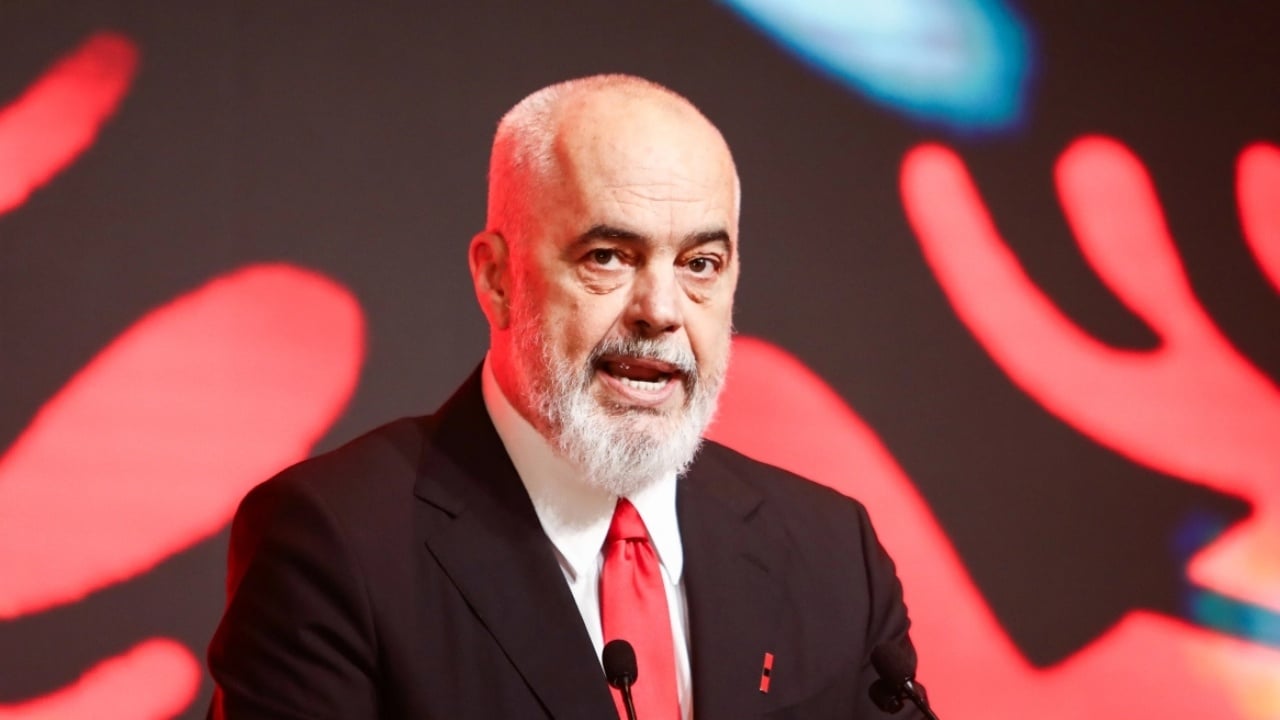
The four words Rama uses to explain “Besa”
In a post on social media, Rama summed up the meaning of the document in four words: “Trust, Empathy, Service and Commitment.”
The message comes as part of the political packaging of the fourth term, with the government trying to give a new name to its relationship with the administration and the public.
The government presents it as a new working method
According to Rama, “Besa” is not simply a slogan, but the method through which the new governing cycle will function. He has linked this document to the idea of bringing the administration closer to citizens and restoring trust in institutions.
At its core, this is a political promise of a more responsive and service-oriented administration, although so far no concrete elements have been made public on how this approach will be measured or implemented in practice.
The “troubled water” metaphor and the crisis of trust
During earlier presentations, Rama described trust as something that is not lost immediately, but when “the water is stirred,” using metaphor-laden language to explain the relationship between citizens and the state.
According to him, the main challenge of the fourth term is precisely the restoration of this shaken trust, through empathy and service. The wording itself suggests that the government sees part of its relationship with the public as worn down.
“Rilindja 2.0” and the new political label
Rama has linked “Besa” to what he calls “Rilindja 2.0,” meaning a new political phase for the governing majority. In his version, “Besa” is the method that should turn this cycle into a new experience for citizens.
However, beyond the naming and the rhetoric, it remains to be seen whether this will bring real change in the behavior of the administration, or simply a rebranding of government communication for another term.
For now, the “Besa” document has been presented publicly more as a political concept and communication message than as a detailed package of measures.
What is clear from the statements made so far is that the government is trying to place trust at the center of the debate, at a time when citizens’ relationship with institutions remains one of the most disputed aspects of its term in office.