
A magnitude 7.4 earthquake struck western Colombia, but Armenia, a city of about 300,000 people located just 69 kilometers from the epicenter, emerged almost untouched. While hundreds of deaths and thousands of injuries were reported in other parts of the country, not a single building collapsed in Armenia and no loss of life was recorded.
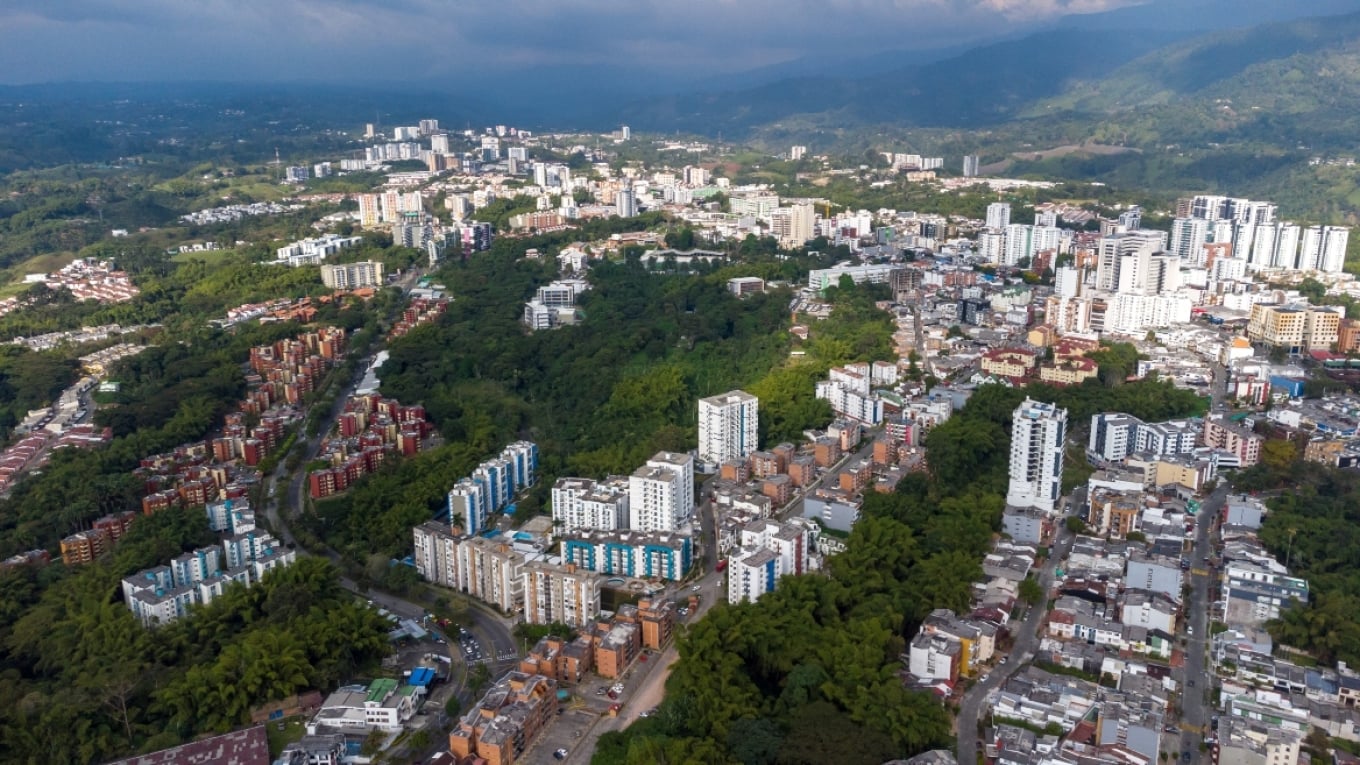
The city that woke up to memories of 1999
For many residents, the powerful tremors immediately brought back the trauma of the 1999 earthquake, when a magnitude 6.2 shock destroyed about 60% of the city’s buildings and killed nearly 1,000 people.
This time, however, the scene was entirely different. There were no major rescue operations, and ambulance sirens were barely heard — a stark contrast to the heavy toll reported in other Colombian cities.
Why Armenia held up better than other areas
According to experts, Armenia’s response was not accidental. For years, the city has carried out regular earthquake preparedness drills, at least twice a year, and many residents reacted according to procedures they had learned earlier.
After the 1999 disaster, Armenia was rebuilt to stronger standards and with a long-term approach to seismic risk. That included structural reinforcement, urban planning and institutional preparedness for emergencies.
Three decisions that, according to experts, made the difference
Technical assessments mention three main measures. The first was a detailed microzonation study, which analyzed block by block how the ground responds to seismic shaking.
The second involved limiting construction in areas with loose soil, where the effects of an earthquake can be amplified. The third was the enforcement of stricter and updated building codes.
These measures took shape during the post-1999 reconstruction, when a fund of about $1 billion was created in Colombia for the coffee-producing region. In Armenia, the process was organized into 15 zones and involved engineers, urban planners, seismologists and other organizations.
The problem is not only the rules, but their enforcement
Armenia’s case also highlights a broader problem in Colombia: not the lack of rules, but their enforcement. Experts warn that informal construction and technical violations remain a serious risk in many cities.
One example cited is Pereira, where a building just one year old was heavily damaged and, according to data cited by experts, had been built with unsuitable materials. In Bogota, according to civil engineer Omar Cardona, about 70% of construction is informal.
The lesson from a city rebuilt after disaster
Armenia has for years been called the “City of Miracle,” but what happened this time is seen by experts more as the result of engineering and planning than of luck.
The city that was hit hard in 1999 withstood an even more powerful earthquake 27 years later without casualties. That contrast makes Armenia a significant case in how standards, construction oversight and real preparedness can change the toll of a disaster.
The heavy toll in other parts of Colombia shows that the strength of the earthquake alone does not explain everything.
What happened in Armenia suggests that when reconstruction does not remain only on paper, the consequences can be entirely different.