
A suspected artificial intelligence fraud scheme is believed to have cost a 70-year-old man in Tirana €100,000. According to the police version, young men who presented themselves as people known to him convinced the owner of a currency exchange point to hand over the amount after showing him a video call on a phone that appeared to come from a businessman with whom he had frequent contact.
Two arrested, one wanted
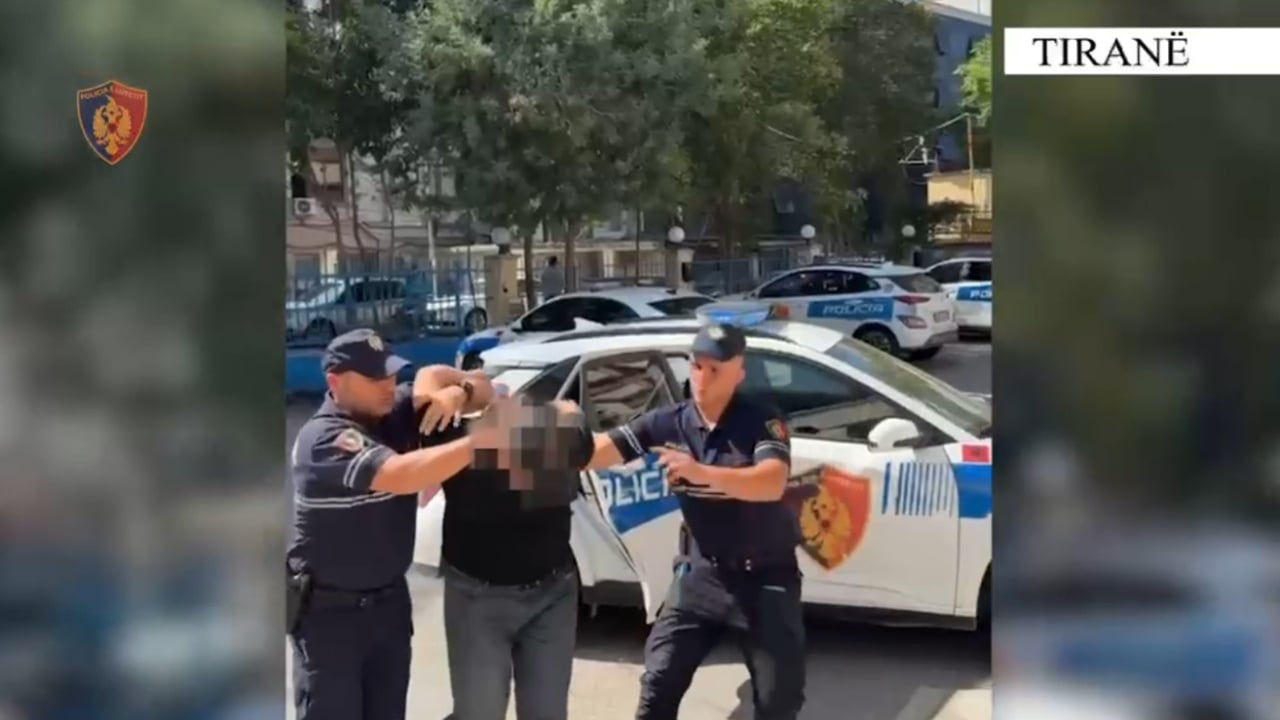
Police said that, as part of the operation codenamed “Shuma,” B. S., 31, and S. M., 23, were arrested, while R. H., 31, has been declared wanted. Authorities say they are also investigating the identity of the person who physically went to the business and collected the money, as well as other people who may have been involved in this case.
The procedural materials have been referred to the Prosecutor’s Office for further action, while police say the investigation remains open to fully document the scheme.
How the scheme was built, according to the investigation
According to the published information, the young men went to the 70-year-old’s business a day earlier and showed him a video call on a phone in which it appeared he was communicating with businessman Bashkim Mulaj, a person who often exchanged funds at this exchange office.
During that communication, the person on the screen asked the 70-year-old to give the money to the young men, claiming that the amount would be returned after a few hours. Only when the money was not returned at the promised time did the owner contact the businessman and learn that he denied making the call. At that moment, it became clear that it was a fraud.
Suspicions that the video call was created with AI
After checks and an analysis of security footage, police said it emerged that the video call had been created with artificial intelligence. This is the key element of the case file, as it suggests the use of technology to imitate the identity of a known person and gain the victim’s trust.
The case raises serious questions about the security of fast cash transactions and the level of institutional preparedness in the face of new forms of digital fraud, which are becoming harder to distinguish with the naked eye.
Another operation over fraud and theft
In the same announcement, the Tirana Local Police Directorate also said that G. B., 37, had been detained as part of operation “Imazhi.” According to police, on August 14, 2026, he allegedly took 20,000 lek from two businesses on “Brigada VIII” and “Teodor Keko” streets by presenting himself as someone known to the owners and promising the immediate return of the amount.
Authorities also said that on August 21, 2026, he is suspected of stealing a bag containing 25,000 lek at a business on “Skënder Luarasi” street. The investigation into this case is ongoing, according to police.
Police have called on citizens and business administrators not to hand over money or data without verification, even when faced with videos or communications that appear convincing.
The Tirana case shows that technology is increasingly being used for financial fraud as well, while direct verification of identity remains the minimum safeguard before large sums of money are moved.