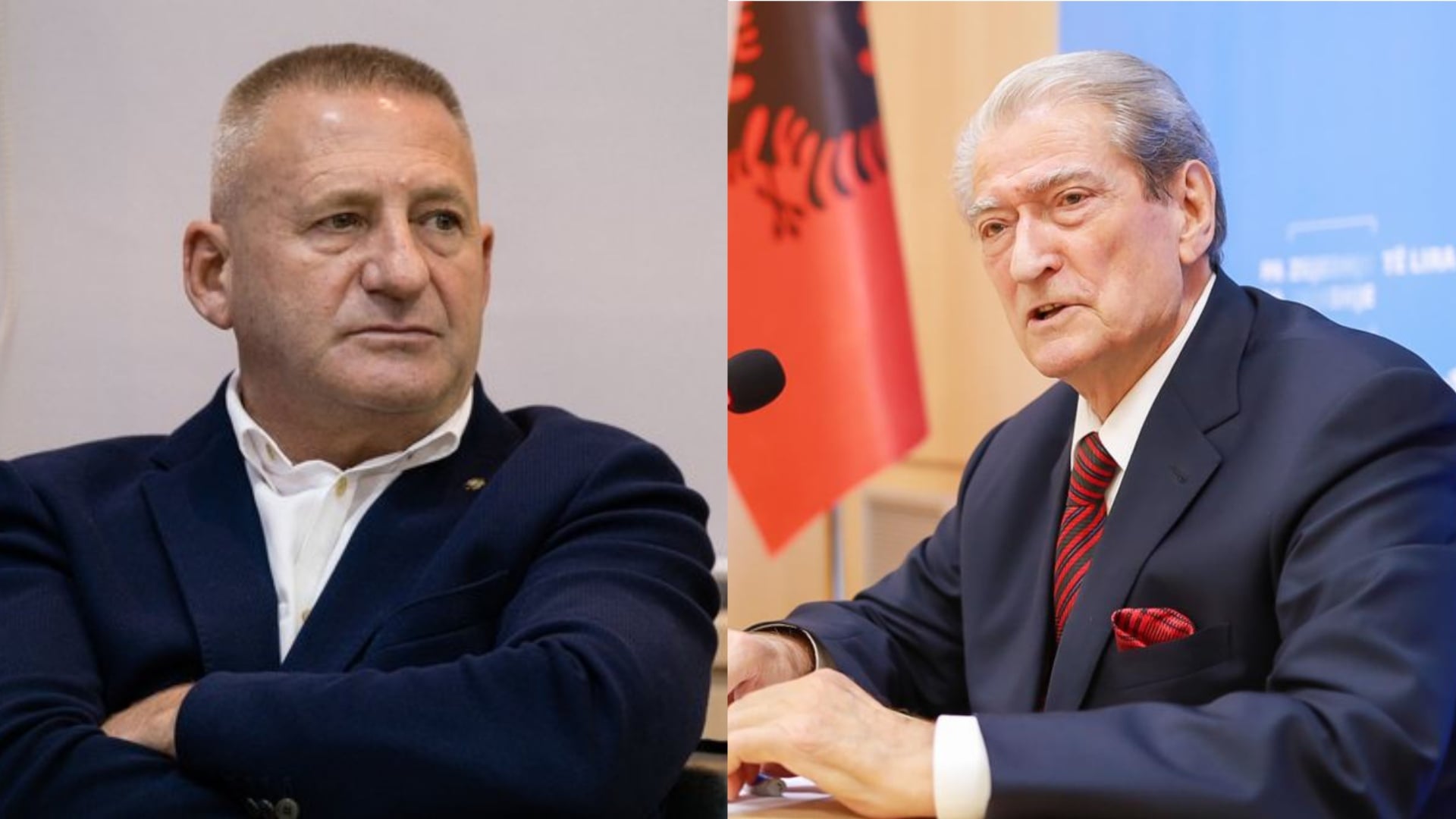
A meeting of the opposition at the Democratic Party headquarters brought to the surface not only differences with the ruling majority, but also clashes within the opposition camp. Nard Ndoka openly challenged the way the Democratic Party has entered the process on the territorial map, describing it as an approach that, instead of restraining the government, has “perfected the system” for Edi Rama.
Ndoka’s criticism: hearings without allies and an unclear process
The head of the Christian Democratic Party said at the table with allies that the opposition made a mistake by taking part from the very beginning in the main commissions without first clarifying with the majority whether the substance of the system would be affected or whether only partial corrections would be made.
According to him, the allied parties were not informed about the hearings and were presented with a fait accompli. Ndoka described the Democratic Party’s consultation tour in ironic language, saying it looked like a “honeymoon” between the sides, which in his view created the impression of excessive closeness with the majority.
“Pluralism is being hit,” accusation over the territorial map model
In his argument, Ndoka said the current system and the way territorial reform is being handled harm pluralism. He raised doubts that these processes reflect a tendency to narrow political representation and further concentrate local power.
Ndoka went further by opposing the proposed figure for the number of municipalities, saying that 100 units would still be too few and that the country, in his view, could even have 200 municipalities. He also criticized the fact that the administrative units, according to him, have been left dependent on the mayors.
Political accusation against the opposition: “We have perfected the system”
The strongest point of Ndoka’s intervention was the accusation that the opposition itself, through its previous decisions, has created an advantage for the prime minister. “We have perfected his system for Rama,” he said, linking this also to the boycott of elections and the withdrawal from institutions.
According to Ndoka, dissatisfaction with the government exists, but it is not enough if the opposition does not build clear political action and act in time. He suggested that such meetings should have been held earlier, so that allies would have real weight in decision-making.
Berisha’s response: with 83 seats, blocking is not easy
Sali Berisha received the criticism by saying that the opposition faces only two paths: either to act outside the institutions or to continue the battle within them. In his version, the main problem remains the ruling majority’s numerical strength in parliament.
Berisha said it is unclear how a majority holding 83 seats can be blocked, and added that not taking part in elections, in practice, gives those in power the opportunity to hold them without obstacles. His reply showed that within the opposition there is still no clear and unified line in the face of reforms affecting the political system and local administration.
The debate between Ndoka and Berisha showed that before confronting the majority, the opposition remains compelled to clarify its own internal calculations on strategy, alliances and the limits of cooperation in processes that affect the rules of the political game.