
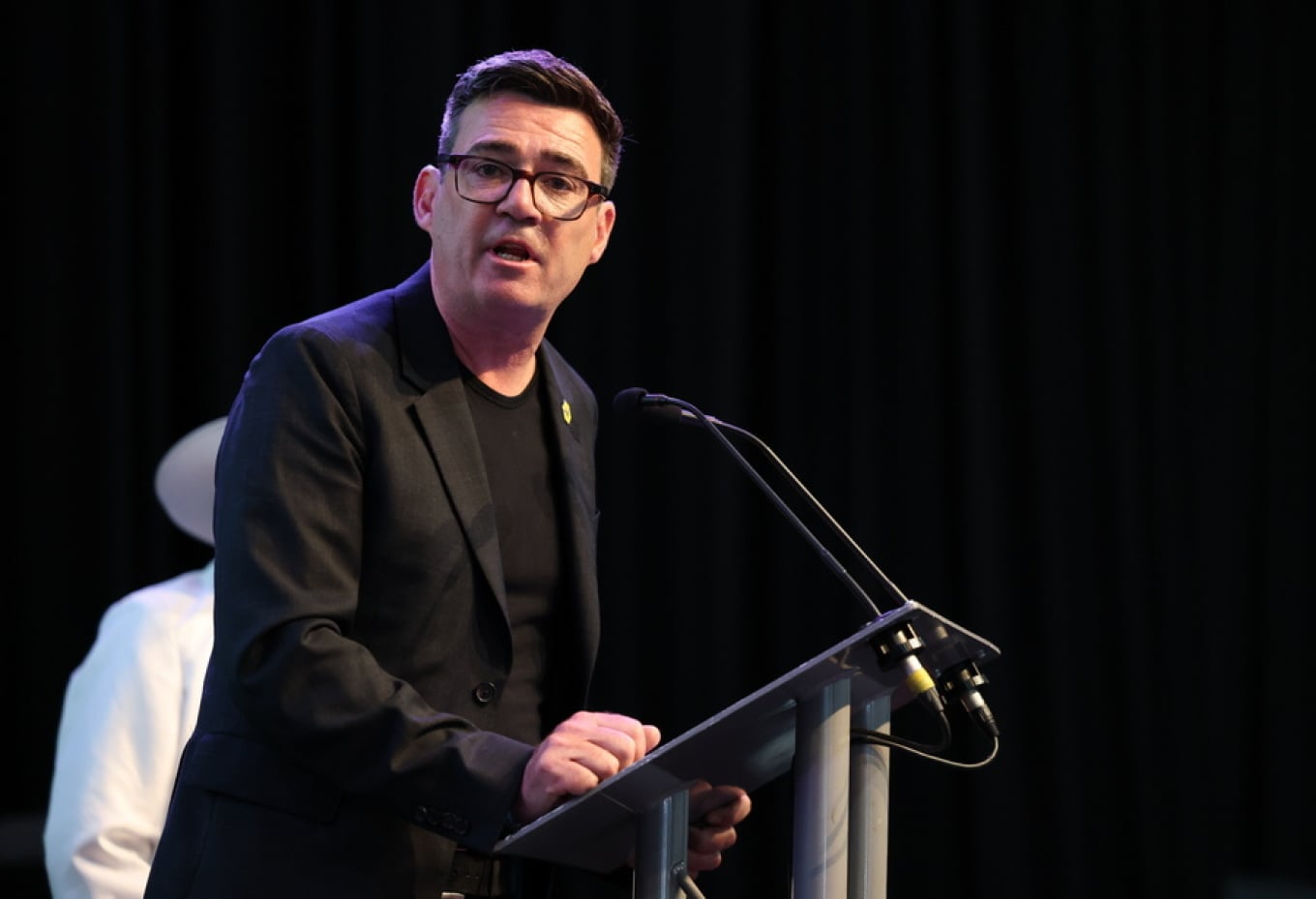
Britain’s new prime minister, Andy Burnham, chose a forceful political opening in Parliament, placing the blame for today’s economic problems on two issues that continue to divide the country: the Margaret Thatcher era and Brexit. Instead of the conciliatory tone that usually accompanies the start of a term, Burnham presented a clearly left-wing vision, with more state intervention and open criticism of the economic model of recent decades.
A start marked by political confrontation
In his first speech in the plenary chamber after the parliamentary session resumed, Burnham was accused by opponents of returning to the debates of the past. He, however, chose to interpret the current economic crisis through decisions taken over the years by right-wing governments.
According to the version he presented, the reforms associated with Margaret Thatcher and the decision to pursue Brexit have left deep consequences for the economy, regional development and the structure of power in Britain. He also linked the referendum on leaving the European Union to political decisions taken during David Cameron’s time in office.
More state in the economy
Burnham acknowledged that, even after two years of Labour government under his predecessor Keir Starmer, the cost of living remains high and burdensome for many Britons. It is precisely on this ground that he is trying to build the legitimacy of his political line.
The main promise is increased state control over sectors considered vital. Among the goals he set out are the nationalisation of key public services, including water utilities and electricity distribution, a course that signals a departure from the privatisation model of previous decades.
A blow against Thatcher’s legacy
Burnham promised to undo part of the reforms of the figure known in Britain as the “Iron Lady”. According to him, the Thatcher period brought a centralisation of political power, a privatisation of economic power and a blow to local government.
This approach challenges one of the strongest narratives in British politics: that the reforms of the 1980s pulled the country out of economic stagnation. Burnham is trying to overturn that reading, arguing that the long-term cost of those reforms was deindustrialisation and the weakening of areas outside London.
Decentralisation and signals of deeper change
Another pillar of his programme is the decentralisation of power and responsibilities to local authorities. Burnham also said he wants a greater relocation of leading institutions from London to Manchester and the country’s central and northern regions.
From a politician who led Manchester and became widely known as the “King of the North”, this promise also carries symbolic weight. Politically, there is also talk of cooperation with the Liberal Democrats to change the first-past-the-post electoral system, which would amount to a move with broad consequences for the British political landscape.
The honeymoon period is ending
So far, Burnham has gone through a relatively quiet summer while Parliament was closed. But the return of parliamentary life places him before his first real political test, far from the comfort of his first weeks in office.
An important test of his popularity is expected to be the early election in London, triggered after Keir Starmer’s departure from Parliament as an MP. The move is also fuelling speculation about a possible role for Starmer at the head of NATO, as Burnham enters a phase in which rhetoric will have to confront the political cost of implementation.
Burnham’s statements show that the new government is not simply seeking ordinary crisis management, but is trying to reopen the biggest debates over Britain’s economic and institutional model.
Whether this will translate into real change or remain a strong rhetorical platform will be measured very soon in the political and electoral arena.