
The shooting of Toñi, the oldest known orca in Iberian waters, has led to the opening of a criminal investigation in Spain. The case has once again raised serious questions about the real protection of marine fauna and how incidents are handled in an area where clashes between humans and orcas have become frequent.
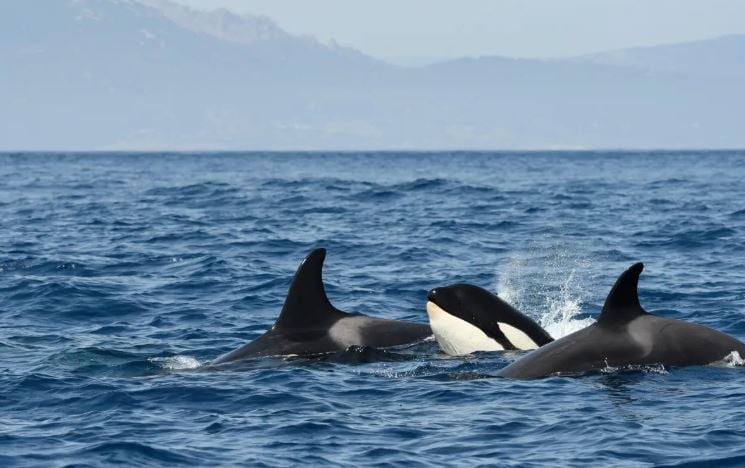
Bullets in the dorsal fin, case referred to prosecutors
The injuries to the 60-year-old orca were documented last month by environmentalists, who reported the case to the authorities. On September 2, Spain’s Environment Ministry referred the case to prosecutors.
Those found responsible could face fines of up to 2 million euros, according to Spanish authorities. Toñi was identified with several bullet holes in her dorsal fin, an element that has turned the incident into a criminal case rather than simply an environmental alarm.
A Spanish-flagged vessel under investigation
The Central Environmental Operations Unit of the Guardia Civil is investigating a Spanish-flagged vessel suspected of having been seen firing a weapon in Portuguese waters.
Investigators are trying to determine whether the crew shot the orca and what the motive may have been. According to Janek Andre, founder of WeWhale and co-founder of Iberian Orca Guardians, one possible lead is revenge or an attempt to drive the animal away after physical contact with a boat. Another suspicion involves fishermen who may have tried to prevent fish from being caught. The possibility that the act was carried out simply out of anger has not been ruled out either.
Toñi is moving with the group, but the risk remains
In recent days, Toñi has been seen off the coast of Galicia moving and feeding with her group. According to environmentalists, the wounds are closing well, but bullet fragments remain lodged in the fin.
They say this increases the risk of blood infection and sepsis. Her condition is also considered especially important for the orca population in Iberian waters itself, which has sharply declined over the years. From around 60 to 70 individuals in the 1990s, the number has now fallen to 27.
Frequent encounters with boats, but experts reject the label of “attack”
The incident has once again brought attention to the tense relationship between orcas and vessels in the region. Since 2020, there have been several episodes of interaction with boats, in which rudders were damaged and, in certain cases, sinkings were also reported.
However, according to Andre, these should not automatically be treated as attacks. He describes them as social and curious behavior, noting that sailors enter the natural habitat of these animals. Experts advise mariners to remain in shallow waters, because orcas usually prefer depths of 50 to 70 meters, while moving closer to shore, in waters less than 20 meters deep, can significantly reduce the risk of interactions.
Toñi’s case has once again exposed how fragile the protection of endangered species remains, even when it comes to one of the best-known individuals in this population.
Amid the criminal investigation and suspicions of motives tied to revenge or economic interest, the essential question remains the same: how effective are the mechanisms that are supposed to protect wildlife in these waters.