
Another key phase is underway in The Hague in the proceedings against former Kosovo president Hashim Thaçi and four other defendants, this time over obstruction of the administration of justice. Monday’s hearing is devoted to closing arguments, a decisive moment in how the parties are trying to seal their version before the trial panel.
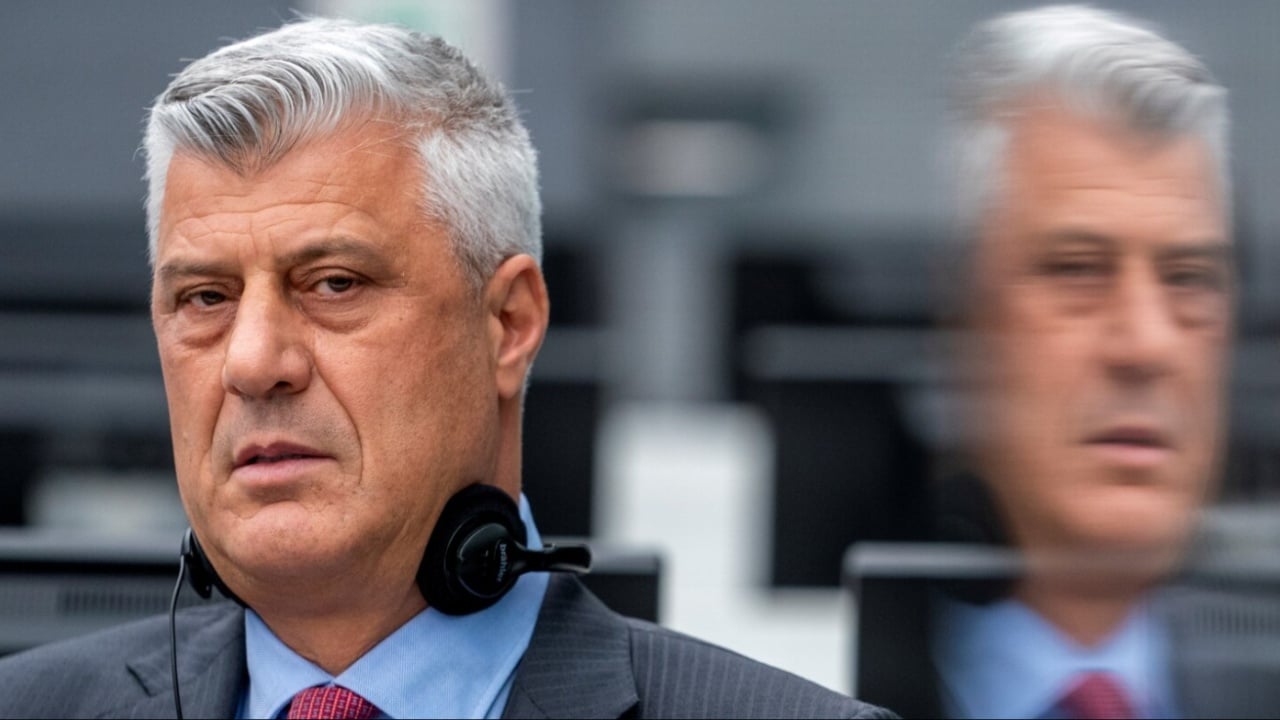
Who are the defendants in this case
In addition to Thaçi, the proceedings also involve Bashkim Smakaj, Isni Kilaj, Fadil Fazliu and Hajredin Kuçi. The case being handled by the Kosovo Specialist Chambers is not related to war crimes charges, but to allegations of obstruction of the administration of justice.
This distinction remains essential to understanding the nature of the proceedings, as it is a separate case file from the other charges Thaçi faces in The Hague.
Defence versus Prosecution
The defence teams have opposed the Prosecution’s requests and asked that all five defendants be found not guilty on all counts of the indictment.
At its core, the Defence strategy seeks to overturn the claim that there was any organised activity aimed at influencing justice, presenting the indictment as unsupported by the elements that would be required for a criminal conviction.
The position of Thaçi’s lawyer
Thaçi’s lawyer, Sophie Menegon, argued that there was no group aimed at obstructing justice.
According to the Defence, the actions for which Thaçi is accused did not affect the judicial process. It also maintained that, even under the prosecution’s version, the matter concerns an attempted interference rather than a completed offence.
A sensitive process with political and legal weight
The closing arguments phase usually serves to summarise the entire conflict between the prosecution and the defence, setting side by side their interpretations of the evidence and the criminal responsibility of each defendant.
In a high-profile case like this, the weight is not only legal. The trial panel’s decision will also be viewed through the way the Prosecution’s allegations and the Defence’s objections have been handled in proceedings that have drawn broad attention in Kosovo and beyond.
For now, what remains clear is the sharp clash between the two versions: on one side, the allegation of obstruction of justice; on the other, the Defence’s insistence that there was neither an organised group nor any real impact on the judicial process.
The ruling is expected to hinge on how the court reads this distinction between a claim of interference and proof of a completed obstruction of justice.