
A direct message has come from Washington at a sensitive moment for the region: according to the position presented in the U.S. Congress, Kosovo and Serbia must avoid provocations, while expectations for politics in Pristina remain tied to breaking the institutional deadlock.
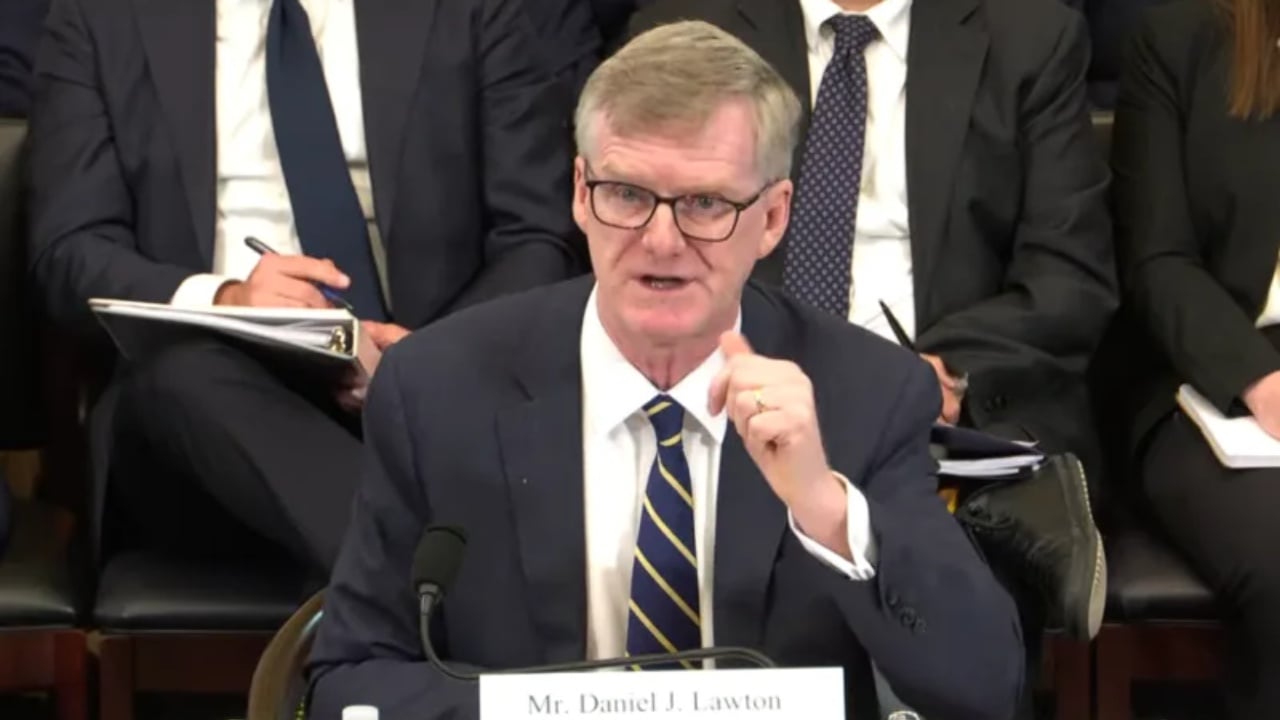
Congress hearing on security in the Western Balkans
The Europe subcommittee, within the U.S. House Foreign Affairs Committee, held a hearing focused on U.S. policy and regional security challenges in the Western Balkans.
The discussion comes at a time when developments in the region continue to be treated by Washington as a matter of security and stability, not simply as a routine diplomatic debate.
What the senior State Department official said about Kosovo and Serbia
Daniel J. Lawton, Deputy Assistant Secretary of State in the Bureau of European and Eurasian Affairs at the U.S. State Department, spoke at the hearing and addressed relations between Kosovo and Serbia.
According to him, the United States is ready to work with the new leadership, while engagement in the Western Balkans, based on the version he presented, is measured by visible results.
Lawton called on Kosovo and Serbia to avoid provocations, placing the emphasis on reducing tensions in a relationship that has long remained fragile and exposed to political escalation.
Message on the political deadlock in Pristina
The U.S. official also said there is an agenda for cooperation with Kosovo, but added that this cooperation has been hindered by the elections there.
Along the same lines, he stressed that Kosovo should elect its president as soon as possible, implying that Washington sees the institutional delay as a concrete obstacle in relations and coordination with Pristina.
The political message behind the statement
The statement made in Congress shows that the U.S. administration is increasingly clearly linking political support to institutional functionality and to avoiding tensions on the ground.
Beyond diplomatic formulas, the signal is that Washington expects concrete moves both in Kosovo-Serbia relations and in unblocking political processes in Kosovo.
The position presented at the hearing once again puts the focus on two issues that remain closely connected: stability in Kosovo-Serbia relations and the ability of institutions in Pristina to emerge from the political deadlock.
In this reading, the call to avoid provocations is presented not simply as a diplomatic appeal, but as part of a broader political pressure for concrete results in the region.