
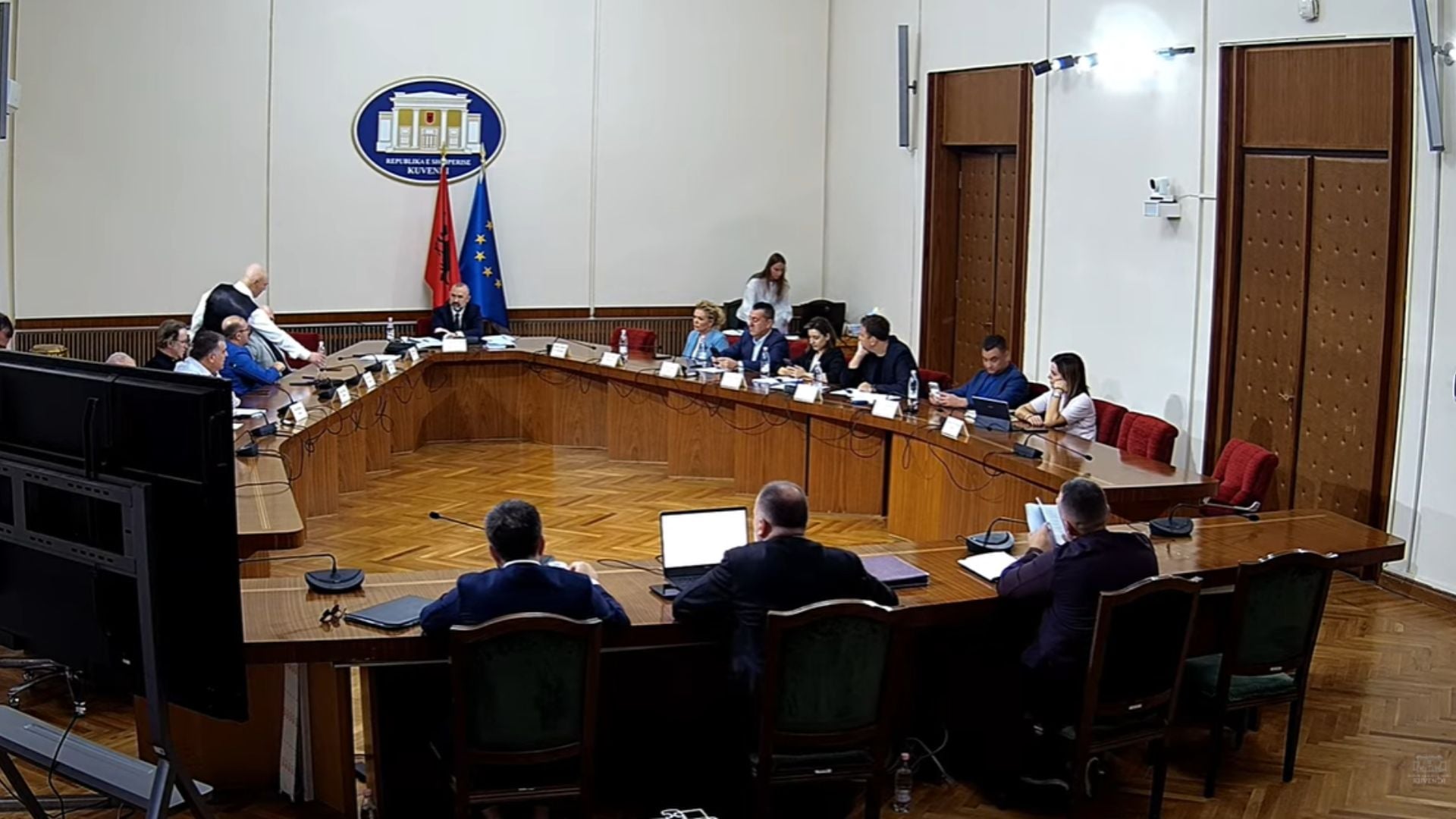
The debate over the Socialist Party draft on territorial reform turned into another sharp political clash in the Committee on Legal Affairs, where the opposition described the process as one-sided and lacking real consultation with citizens. After demanding that the bill be sent back and that hearings and local referendums be held, opposition members decided to leave the meeting.
Opposition objections: no consensus and no consultation with communities
Democratic Party MPs Luçiano Boçi, Tritan Shehu, Eno Bozdo, Luan Baçi and Oerd Bylykbashi asked for the bill to be withdrawn at this stage and returned for full consultations. According to them, changes to the administrative map cannot move forward without the prior opinion of the population and without respecting procedures that provide for public hearings and positions from the affected communities.
At the heart of the objections was the claim that the draft did not come with the necessary documentation and consultations, while decision-making is being pushed forward politically without consensus with the opposition and without clear public support.
Fier and Durres at the center of criticism
The strongest criticism focused on proposals affecting the municipalities of Fier and Durrës. Luan Baçi opposed the idea of merging Patos with Fier, presenting it as a one-sided move that runs counter to positions expressed in hearings and to local reactions, including reported protests in Patos and Divjakë.
Meanwhile, Oerd Bylykbashi raised concerns about the way areas of Durrës County have been handled, arguing that consultations have been insufficient and that communities are facing decisions taken without genuinely being asked. He insisted that a local referendum remains the fairest instrument for such issues.
Accusations of a rushed procedure and a sidelined commission
Eno Bozdo said the special commission on territorial reform failed to hear interest groups, experts and communities that had submitted official positions. According to him, the draft under discussion is not the product of the commission’s work, but of a group of MPs, which adds to doubts over how the initiative was put together.
Along the same lines, the opposition described the halt in consultations as premature and insisted that the administrative map cannot be changed through numerical or partisan logic while community demands are left at the margins of the process.
Manja rejects the requests, opposition leaves the room
During the meeting, the opposition also made other procedural proposals, which were put forward for debate and a vote. Ulsi Manja rejected them, saying the committee cannot assume the powers of the Speaker of Parliament or the Conference of Chairpersons and that the initiative, according to the official version, has followed the dynamics of Parliament’s rules of procedure.
After this clash, opposition members decided to leave the room. Their departure further deepened the political divide over the territorial reform, a process that is being contested not only for its content, but also for the way it is being pushed forward in committee.
The clash in the Committee on Legal Affairs showed that the territorial reform is moving ahead without even minimal political agreement and under strong accusations of a lack of public consultation.
If the bill continues at the same pace, the debate is expected to remain heated, especially in areas where communities and local representatives are openly opposing the proposed changes.