
The Kosovo Specialist Chambers have revealed the composition of the Appeals Panel for the case against former KLA leaders, a process that has long been followed with political and public tension in Kosovo and beyond. The announcement comes at a time when the court’s decision-making remains under close scrutiny and continues to be contested in Albanian public opinion.
Three names on the panel that will review the appeal
According to the official announcement by the Kosovo Specialist Chambers, judges Michele Picard, Kai Ambos and Nina Jorgensen have been appointed to the Appeals Panel.
The names were made known through an email from the President of the Kosovo Specialist Chambers, who confirmed the composition of the judicial panel for this stage of the proceedings.
What the official reasoning says
The official communication says that the selection was made taking into account the criteria set out in Rule 4 of the Rules on the Assignment of Judges.
According to this version, the decision weighed the judges’ relevant experience and expertise, as well as their availability during this period. No further details were provided beyond the procedural wording used in the announcement.
A process that has sparked strong reactions
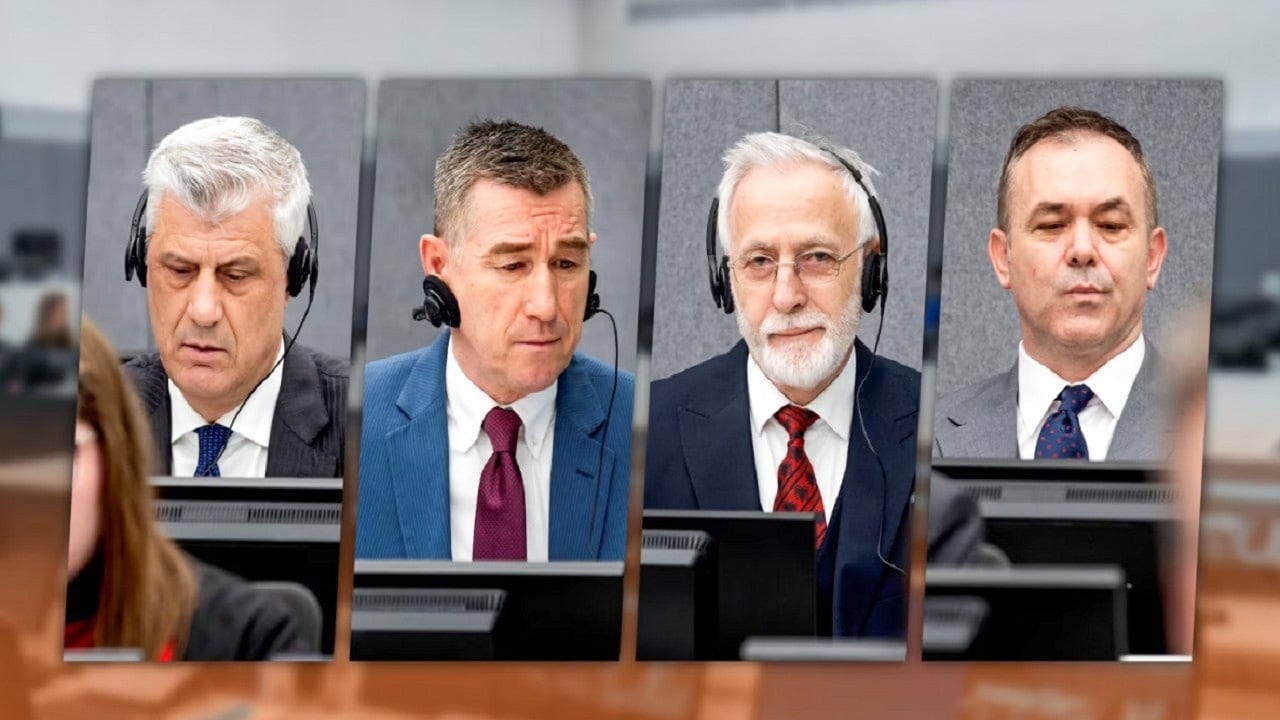
On September 16, Hashim Thaçi, Kadri Veseli, Rexhep Selimi and Jakup Krasniqi were sentenced to a total of 81 years in prison.
This development caused dissatisfaction in Kosovo and Albania, while numerous protests were also held in Pristina. Public reactions have shown that the case is not being viewed simply as a judicial procedure, but also as an open political and social debate over the way the KLA war is being treated.
Attention now on the appeals stage
The publication of the judges’ names shifts the focus to what is expected to be a key stage of the process.
At this point, every procedural step by the Specialist Chambers is expected to be read with increased care, not only for its legal effect, but also for the impact it has on the political climate and on public perceptions of the legitimacy of this court.
For the moment, the institution has made public only the composition of the panel and the procedural basis used for its appointment.
The broader debate over this process, however, remains open and charged with high public sensitivity.