
The new draft for administrative-territorial reform is not facing resistance only from the opposition. Within the Socialist Party’s own parliamentary group, two MPs have come out against the proposal, which foresees the merger of 15 municipalities and their reduction from 61 to 46.
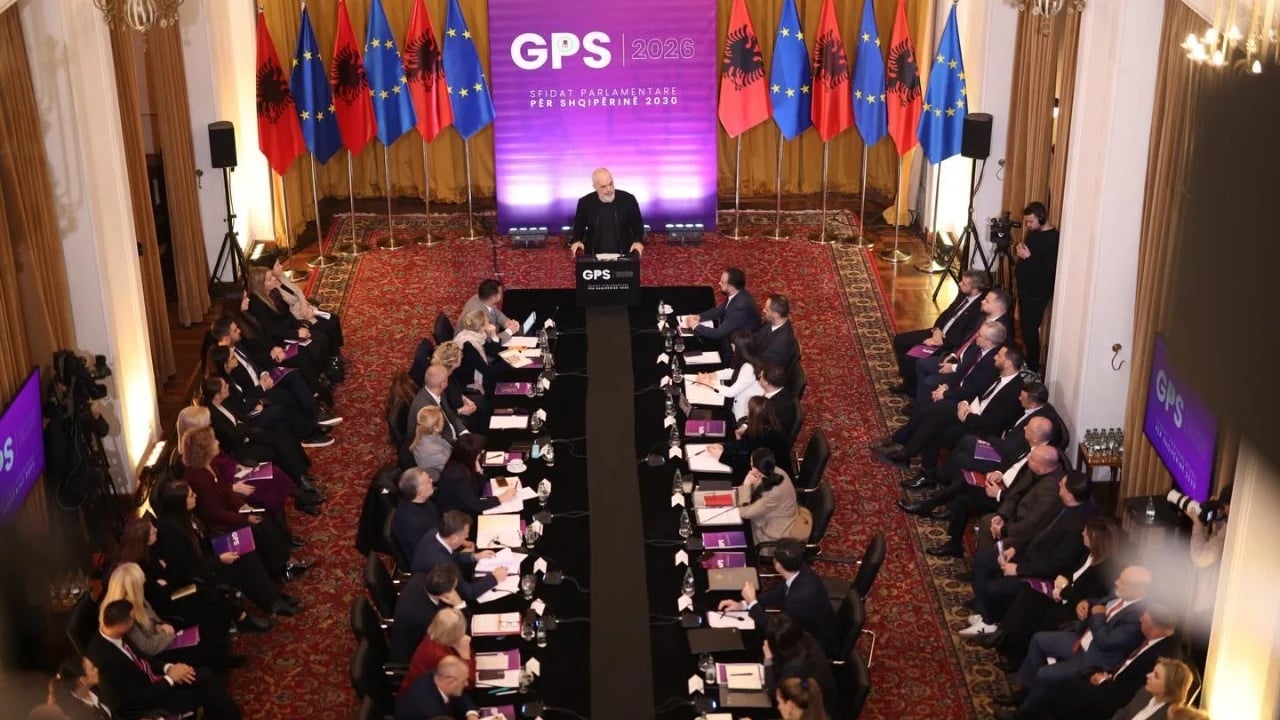
Votes against at the Socialist group meeting
Erion Braçe and Vullnet Sinaj voted against the draft during a meeting of the Socialist parliamentary group, where the proposal for the new territorial map was put to a vote.
This stance exposes an internal rift in the majority over an intervention that directly affects local representation and political balances on the ground.
Sinaj opposes the merger of Selenicë
According to media reporting, Vullnet Sinaj linked his vote against the draft to his opposition to the merger of the Municipality of Selenicë.
Selenicë is one of the local units included in the list of municipalities that, under the Socialist Party draft, would be merged as part of the new administrative map.
Braçe voted against, but the reason remains unclear
For Erion Braçe, the full motive behind his vote against has not been made public.
From what emerged from the meeting, he said only that the draft “leads me toward a vote against,” without further clarifying which element of the proposal prompted his reservations.
What the draft предусматриes and where the process stands
The version proposed by the Socialist Party foresees reducing the number of municipalities in the country from 61 to 46 through the merger of 15 local units.
The draft is being reviewed by the Committee on Legal Affairs and Public Administration. To be approved in parliament, the territorial reform requires at least 84 votes.
The opposition calls for broader consultation
The debate is not limited only to the votes within the Socialist Party. The opposition has opposed the majority’s proposal and called for a broader consultation process with local government units.
This makes the initiative to change the administrative map even more sensitive, especially when objections are emerging not only from outside but also from within the very camp pushing the reform forward.
With two votes against inside the Socialist group and the opposition maintaining a rejecting stance, the draft for 46 municipalities is entering a phase where the political legitimacy of the process may be called into question as much as the arithmetic of votes in parliament.