Brussels is trying to close a loophole that has proved costly for the European Union in clashes with problematic governments inside the bloc. The European Commission has proposed a new mechanism that would allow EU institutions to cut funds and, in the most serious cases, even voting rights for new member states for up to 15 years after joining the bloc.
An enlargement package with longer punitive measures
Under the proposal presented by the European Commission, countries newly joining the EU would be subject to a much longer probation period than has been seen so far in previous treaties. At the center of the package are the so-called “safeguard measures,” which could be activated when democratic backsliding, violations of the Union’s values, or breaches of the principle of sincere cooperation are identified.
The Commission argues that current instruments, including Article 7 of the Treaty, have proved slow and not always effective. For this reason, the EU executive is seeking an additional procedure that would remain in force for up to 15 years after a new state’s accession.
Political signal: the Orbán case is being used as a precedent
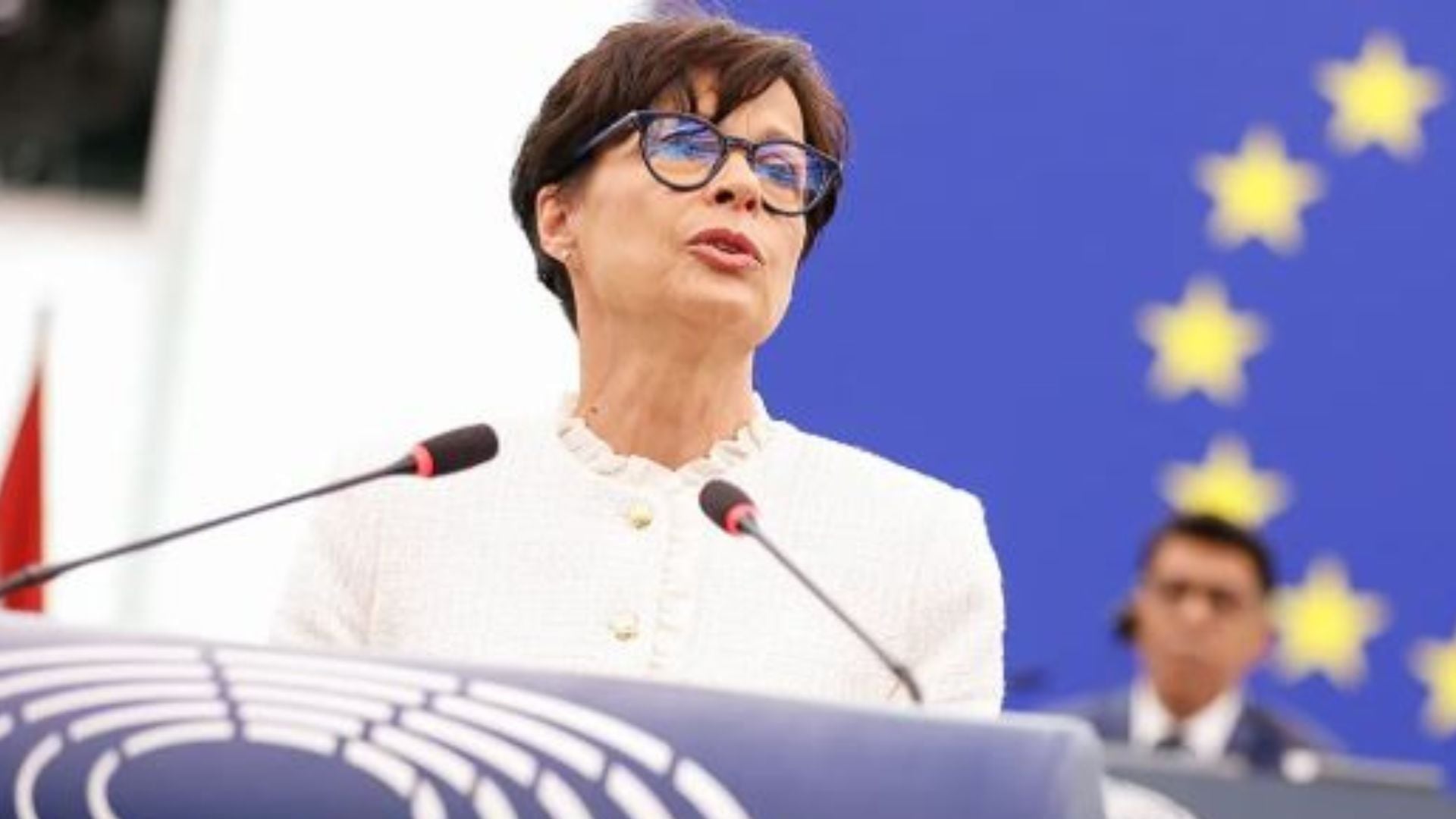
Enlargement Commissioner Marta Kos openly linked the initiative to the experience of Hungary under Viktor Orbán. She said she does not want to see new “Trojan horses” in the European Union, presenting this as a lesson drawn from the bloc’s recent internal political crises.
According to the Commission, one of the clearest examples is Budapest’s stance toward Ukraine: Hungary agreed to candidate status, but later blocked the process. In Brussels’ logic, this shows that a member state can give approval at one stage and then use its veto or political weight to obstruct the same objective later.
What the new procedure provides for
The proposed mechanism could be launched by the European Commission itself or by several member states, with the decision then taken in the Council. The proposal, however, leaves one important point open: it does not clearly specify which decision-making process would be used, passing that debate on to the member states themselves.
According to the draft, the consequences should be proportionate to the violation, while the suspension of voting rights would be reserved for the most serious cases. Alongside this, the Commission is also seeking to extend beyond the usual three years the traditional safeguard measures recognized by previous treaties, without yet specifying the final time limit.
Gradual enlargement and limiting bilateral blockages
The package does not stop at punishments. It also includes new procedures for the gradual alignment of candidate countries with the EU, as part of a more controlled model of integration. Some of these changes, especially those affecting the union’s internal governance, will require the approval of the member states.
Another politically significant point is the demand that future accession treaties include a commitment by the new member state not to use unanimity in the enlargement process for bilateral issues. This is seen against the backdrop of Bulgaria’s blockage of North Macedonia because of unresolved disputes between the two countries.
Montenegro could be the first test
The Commission aims to include these safeguard measures in the EU’s common position for the final chapter of negotiations with Montenegro at the beginning of November. That would make Podgorica the first case in which the new enlargement philosophy is tested in practice, even before the political debate among member states has been concluded.
The message emerging from this package is clear: Brussels wants more control over those entering the union, not only before accession but also for many years afterward. The question remains how far the member states themselves will be willing to go in giving the EU stronger punitive tools against new members.
In essence, the new package shows that enlargement is no longer being treated only as the political process of opening the door, but also as a preventive mechanism against future crises within the EU itself.
For the candidate countries of the Balkans, this means that the path to membership may come with more oversight, more conditions and less tolerance for deviations after entering the union.