
The case of a convicted woman who is being held in the women’s prison in Pojskë together with her 4-month-old baby has prompted action by the Ombudsman. According to the official announcement, the institution has sent a working group to verify the situation on the ground and closely examine the circumstances of this sensitive case.
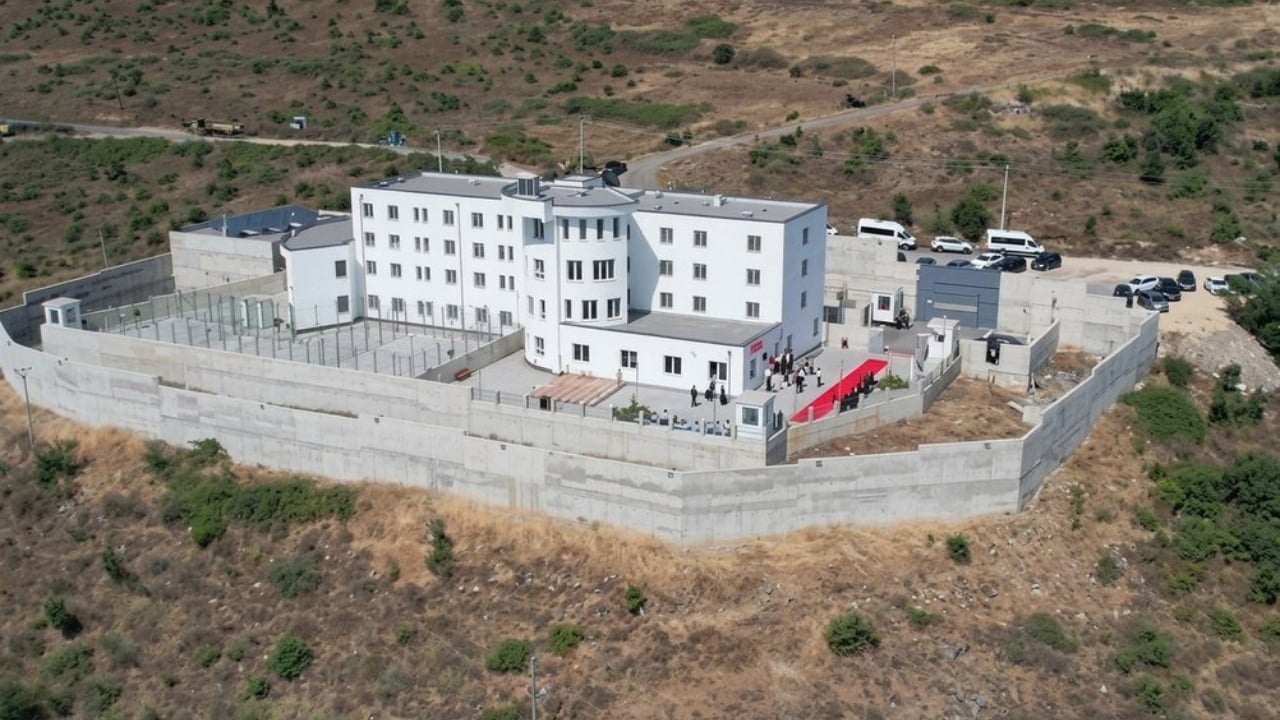
Verification at Pojskë prison
The Ombudsman said that a working group from the Mechanism for the Prevention of Torture has gone to the penitentiary institution in Pojskë.
According to the official version, the verification is being carried out to review the situation involving a convicted woman who is also the mother of a baby only 4 months old.
What the institution said
In its response, the institution said the monitoring aims to clarify the specific circumstances of the case and the way this situation is being handled inside the penitentiary institution.
The Ombudsman has said that the findings will be made public after the verification is completed, leaving open the question of whether the standards of treatment and detention conditions will pass institutional scrutiny.
Who the convicted woman is and what she was sentenced for
The case concerns Greta Gjoci, also known as Greta Pepa. According to publicly released data, she was sentenced to 6 years and 8 months in prison for the criminal offenses of “computer fraud” within the framework of a structured criminal group and “participation in a structured criminal group.”
On October 5, according to the same public information, the Special Court of Appeal against Corruption and Organized Crime, GJKKO, upheld the first-instance decision.
The baby is with her in prison
According to information published so far, Gjoci has been sent to the women’s prison in Pojskë, and her 4-month-old baby is with her there.
It is precisely this element that has made the case particularly sensitive in terms of human rights and the treatment of mother and child within the penitentiary system.
At this stage, there is still no conclusion from the verification launched in Pojskë.
What remains to be seen is whether the Ombudsman’s inspection will identify concrete problems in the conditions or in the handling of the case.