
The government is presenting the “Double Your Enterprise” scheme as a success, but the figures made public by Prime Minister Edi Rama also show a clear gap between interest and approvals: around 400 businesses are in process, while only 32 loans have been approved so far.
What Rama said about the program
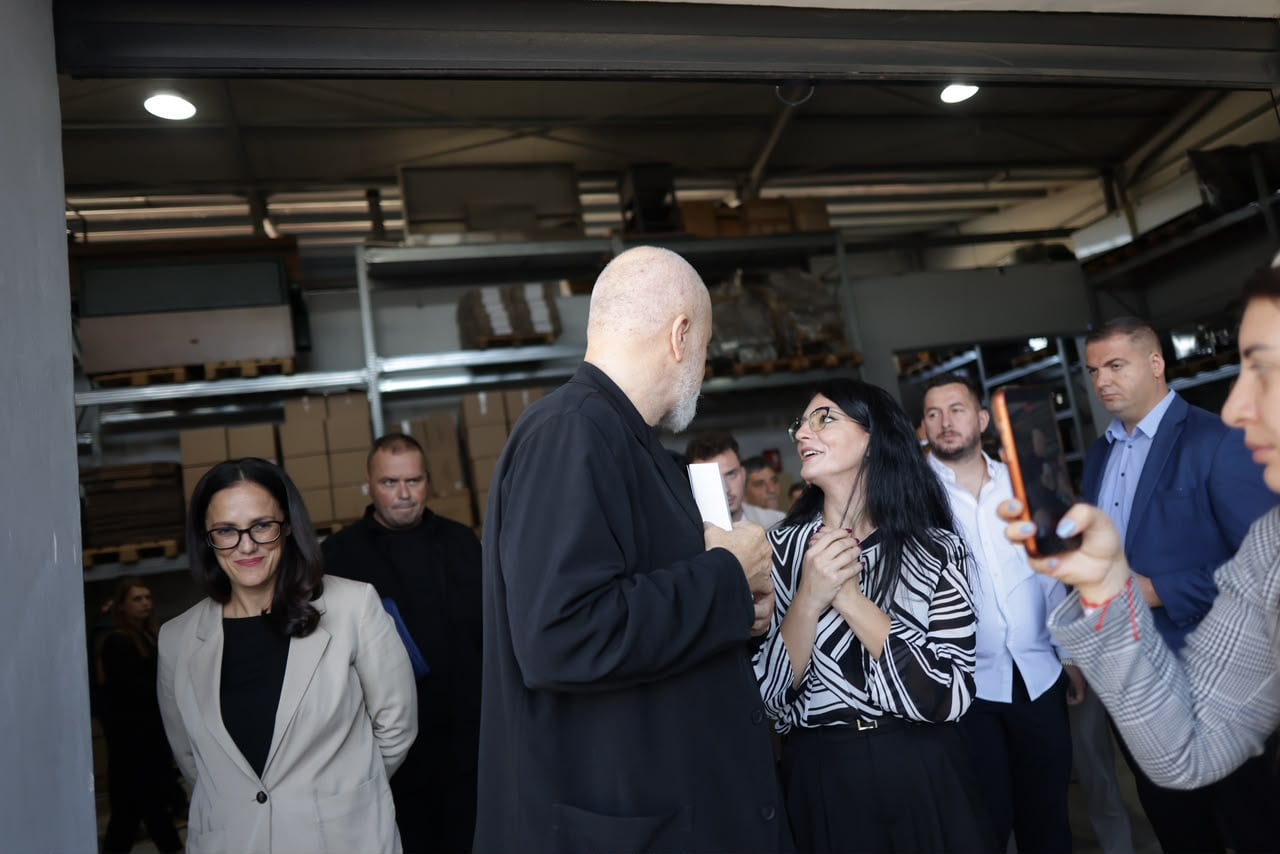
During a meeting with small business leaders, Rama said that 32 loans have so far been approved with a total value of around 5 million euros.
According to him, interest in the scheme is growing and the pace of applications and approvals has accelerated. He presented the program as an instrument for small and medium-sized businesses that have passed the initial stage and are seeking financing for expansion.
The financing scheme and state guarantee
According to the government’s version, the program offers loans with interest of up to 2% and with a state guarantee of up to 70%. Rama described this as a favorable package for enterprises that do not have the financial capacity to invest further.
However, the figures presented show that the number of businesses waiting remains much higher than the number of approved loans, leaving unanswered how quickly and how broadly the scheme will translate into real financing for the market.
Message for the garment sector: the low-wage model is over
Rama also addressed the difficulties of the garment sector, acknowledging that this activity carries risk and that the model built on cheap labor is no longer competitive.
According to him, the rising cost of living, the lack of workforce, and changing standards have closed a cycle that for years was sustained by low wages.
The push toward “Made in Albania”
The prime minister called on garment businesses to move from processing client-supplied materials to production with a closed cycle and their own brand, under the logic of “Made in Albania.”
He said this will require investments in technology, design, packaging, and marketing, as well as a regular financial history to secure bank support. In essence, the government is pushing the sector toward a transformation that it itself acknowledges is not easy.
Rama’s statements come at a time when small businesses and the garment sector are facing cost pressures and difficulties in obtaining financing. Beyond the optimistic presentation of the scheme, it remains to be seen whether the high number of applications will actually turn into disbursed loans and tangible investments in the economy.