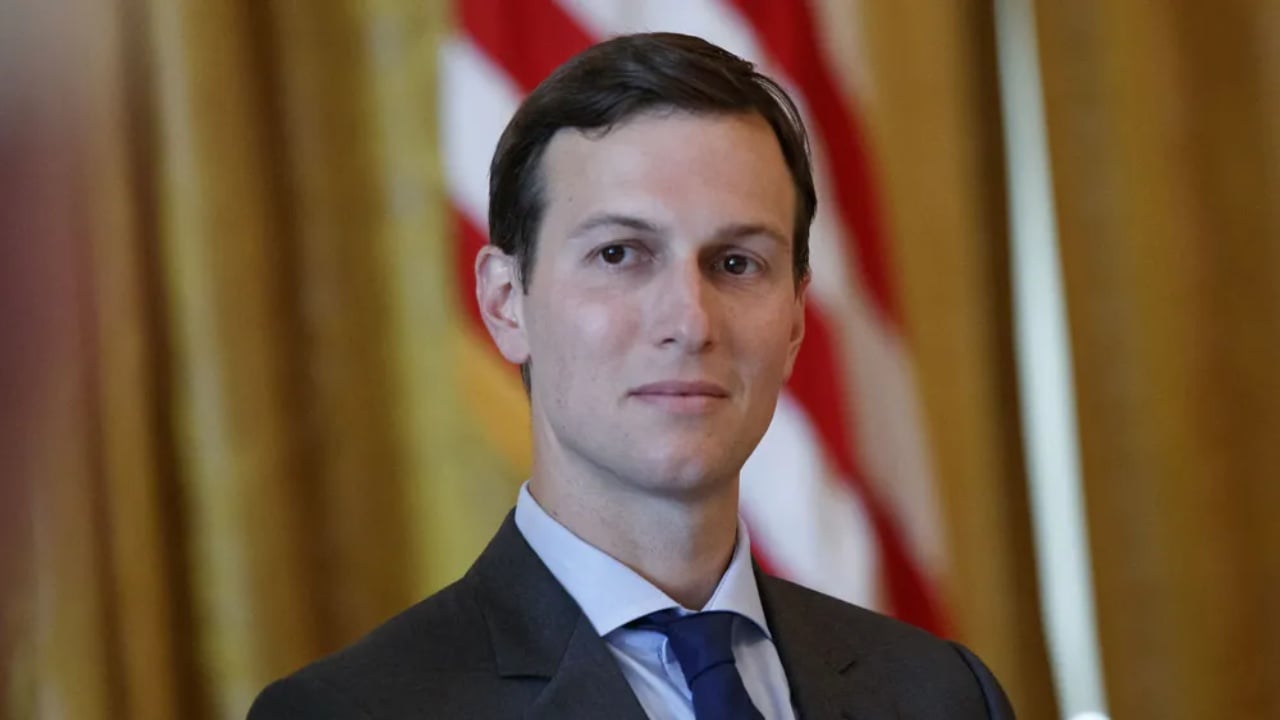
Jared Kushner has publicly come out in defense of the controversial project in Zvërnec, rejecting accusations that the land was obtained from the Albanian government and insisting that it is a private transaction worth €230 million. Even in his version, however, questions remain at the center of the debate about the process, transparency, and the real scrutiny such a development will face in such a sensitive area.
Kushner’s version on the land and the investment
According to Kushner’s response, his partners bought the land from a private party for €230 million, a sum he presents as among the highest in the region for a transaction of this scale. He denies claims that the property was gifted by the Albanian government and says the title was verified by legal advisers.
Kushner describes the initiative as a fully private real estate investment, driven by his belief in Albania’s tourism and economic potential. According to him, if the project is carried out successfully, its total value could reach around €4 billion.
Strong claims of economic impact, without dispelling public doubts
In his response, Kushner says the project could create jobs, economic activity, and international exposure for Albania. He adds that more than three years and tens of millions of dollars have been spent on studies of the site, the environment, and the region’s needs.
He also presents the network of partners involved, from Asher Abehsera as the project’s CEO to the Kastrati family, which, according to him, first brought the investment opportunity to his attention. But even with this list of names and figures, the response does not close the debates that have been raised publicly about how a project of this scale is being brought close to protected territory and sensitive state decision-making.
The environment and the protected area, where the official narrative clashes with public skepticism
Kushner claims the project’s ambition is to build to the highest design and environmental standards, even leaving the area greener and with more biodiversity. This is a central part of his public defense, at a time when environmental impact has been one of the main concerns raised about the project.
The debate has also included claims that development rights were granted without public notice or a competitive process, as well as that legal changes concerning protected land were pushed through in haste. On these issues, Kushner insists the investment was not granted to him by the government, but acknowledges that the project will have to pass all Albanian regulatory and environmental processes before receiving the green light.
The airport, politics, and the key line: the final decision is not the investor’s
Kushner also rejects suggestions of political ties connected to developments around the project. According to him, interest in Zvërnec began in the summer of 2021, before Donald Trump’s return to the campaign trail, and suggestions of political favors reverse the chronology.
He also offers an explanation regarding the airport, saying it had been approved before he first saw the project and that this infrastructure was one of the reasons the area appeared attractive to him. In the end, Kushner himself acknowledges that the decision remains in Albania’s hands: the project, he says, will move forward only if it is approved by the Albanian authorities.
This leaves the core of the debate where it has been from the beginning: not only on promises of billions of euros and tourism development, but on how the Albanian state will justify every decision over a sensitive territory, in the face of private interest and the public interest.
It is precisely here that it will become clear whether the process will be genuinely transparent, lawful, and subject to oversight, or simply another case where a major investment is presented as a sufficient argument to soften any opposition.