
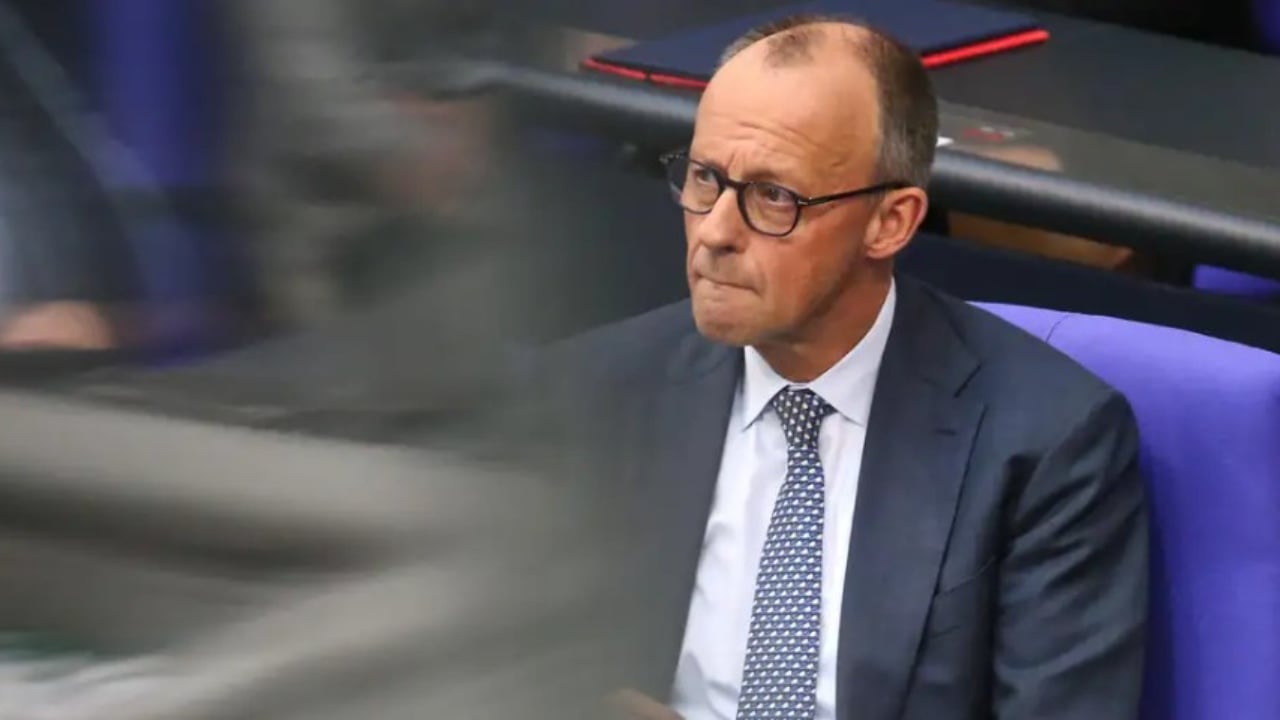
The clash over the European Union’s long-term budget has begun already at the draft stage. The new proposal presented by the Irish presidency of the Council of the EU has failed to convince Germany, with Chancellor Friedrich Merz publicly rejecting it and calling for stronger cuts than those currently on the table.
A draft with savings, but not as much as Berlin wants
The new version of the 2028-2034 budget foresees savings of around €140 billion, or about 8% less compared with the European Commission’s initial proposal, which was estimated at around €2 trillion.
But Berlin has not accepted this compromise. Merz has made it clear that, in his view, the level of spending cuts is not enough to build an agreement and that the budget should be reduced even further.
Net contributor countries push for a lower bill
Germany has lined up alongside the Netherlands, Sweden and Austria in calling for a more affordable budget. These countries argue that they contribute more to the EU coffers than they receive from them and, for this reason, will not accept any further increase in the burden on their taxpayers.
According to the line being defended by the German chancellor, the debate is not only about the total amount, but also about how the EU is setting its financial priorities for the coming years.
The real clash is over priorities
Merz wants the budget to be modernized and funds directed more clearly toward competitiveness, scientific research and defense. This is precisely where the conflict with the Irish draft becomes apparent.
According to the proposal put on the table, some of the areas Germany wants strengthened would face cuts, while funding for agriculture, regional development, migration and internal security would remain largely untouched. For Berlin, this scheme does not properly reflect the priorities the EU should have under current conditions.
Opposition also from the European Parliament, but in the opposite direction
The draft is not facing resistance only from the net contributor countries. The European Parliament also opposes it, but for reasons entirely different from those of Germany and its allies.
Parliament negotiators argue that the 8% cut would weaken the EU’s capacity to deal with future challenges, at a time when more investment is needed in security, defense and economic development. This makes it even harder to find a balance between demands for savings and pressure for more funding.
The Brussels summit is expected to test how far the blockade will go
Negotiations are expected to continue at the summit of heads of state and government in Brussels, where it will become clear whether the sides will move closer or entrench themselves even more firmly in their positions.
With sharp differences among member states and political uncertainty in several EU countries, reaching an agreement by the end of the year remains difficult. For now, the draft that aimed for compromise has produced more opposition than consensus.
The debate over the EU budget is once again showing how difficult it is to bring together the interests of countries that pay more, those seeking more funds, and institutions pushing for higher spending.
Instead of a quick consensus, Brussels is entering a phase of tough negotiations in which the figures, the priorities and the political weight of each state will matter just as much as the union’s own needs.