
The 2027 draft budget signals a clear shift in priorities: less direct support for farmers and fishermen, and more funding for administration, advisory services and infrastructure. In a sector that has complained for years about a lack of support, the new figures raise serious questions about the direction agricultural policy is taking.
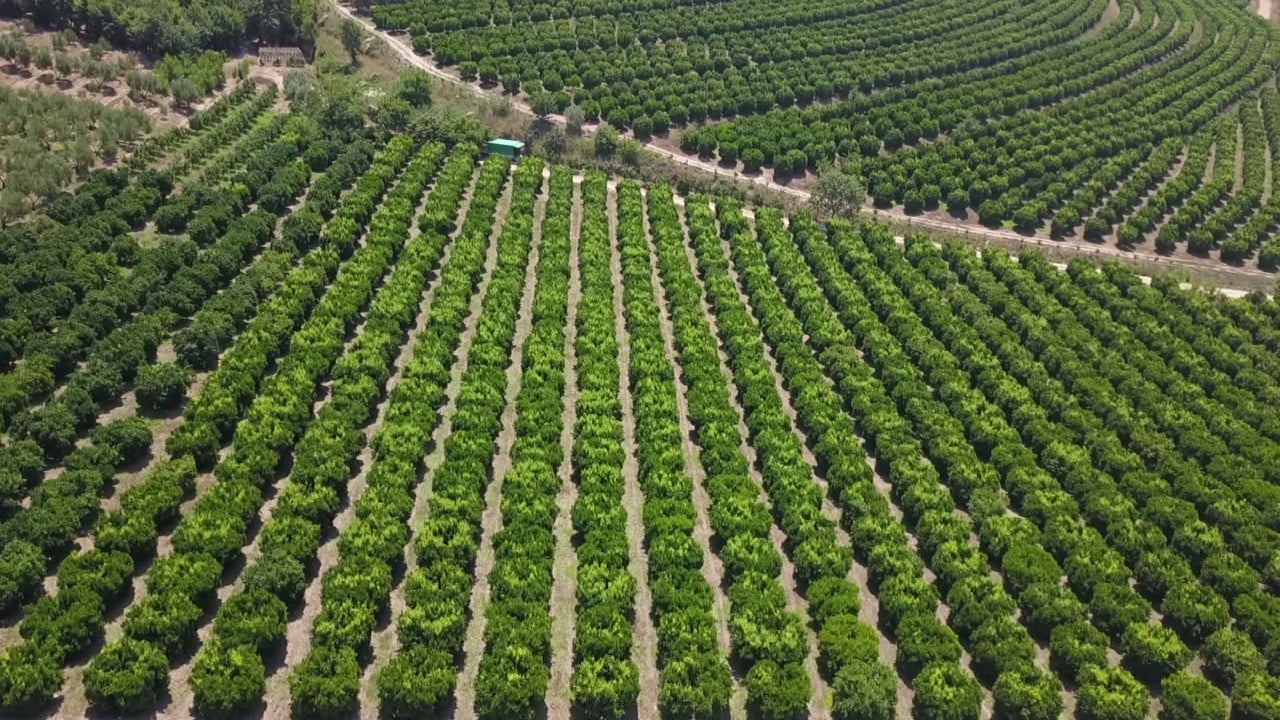
Only 2.19% of the total budget for the production sector
According to the 2027 draft budget, total budget revenues are projected at 907.9 billion lek. Of this amount, the production sector will receive only 2.19% of the total.
A total of 19.9 billion lek has been planned for this sector, with an additional 1.1 billion lek in funding. However, the way this sum will be distributed shows that the increase on paper does not necessarily translate into more support for those producing on the ground.
Subsidies fall sharply for farmers and fishermen
What stands out most is the reduction in the agricultural subsidy fund. This item is expected to drop from 8.3 billion lek to 6.3 billion lek.
The same line of cuts appears in fisheries. Support for this sector is expected to be halved, from 7.8 billion lek to 3.4 billion lek. For a government that often speaks about boosting production and exports, these figures point to a different direction in the distribution of public money.
Additional funding goes to administration, advisory services and drainage canals
According to the breakdown set out in the draft budget, the additional 1.1 billion lek will not be used to increase subsidies, nor to set up new laboratory systems.
The focus of funding shifts to administrative management, agricultural advisory services and drainage canal infrastructure. Meanwhile, the fund for infrastructure and irrigation is reported to increase by 18.7%, while administration and the agricultural advisory council also see increases.
Recommendations on food safety remain secondary
Brussels, in its progress report, had recommended that Albania invest more in food safety and laboratories. But in the draft budget, this line does not appear to have been treated as a priority.
The budget for this item is expected to increase by only 2.55%, leaving room for doubt over whether the sector’s real needs are being addressed or once again pushed behind administrative items.
Agriculture also loses weight in the economy
Data on economic performance show that agriculture’s share of Gross Domestic Product fell from 15.3% in 2024 to 14.6% in 2025.
Against this backdrop, the reduction in subsidies and the slow pace of budget growth, also linked to the blocking of IPARD funds, make the debate over the government’s priorities for rural areas, production and food safety even sharper. Faced with these figures, the question remains open: why is direct support shrinking precisely in a sector that is losing ground in the economy?
The debate over the agriculture budget is not only about the figures, but also about how the state chooses to distribute the burden and support between the administration and producers.
When funds for farmers and fishermen are falling, while allocations for leadership structures are increasing, the 2027 draft budget sends a signal that can hardly be read as a priority for people who work the land.