
A clash that directly affects the relationship between justice and media freedom is moving into public review. The Constitutional Court has decided to send to a public plenary session the request of the Association of Journalists of Albania against several provisions of the internal rules of GJKKO which, according to the complaint, restrict the work of journalists.
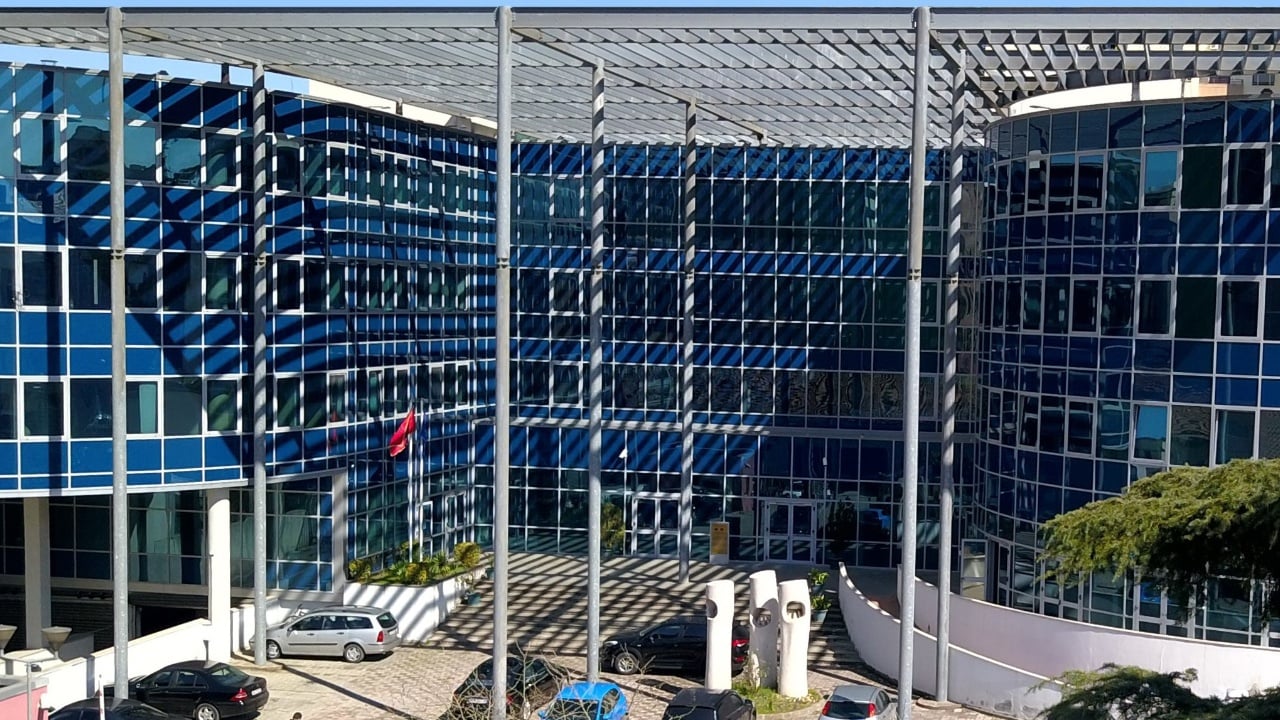
What the Constitutional Court is reviewing
At the center of the case is decision no. 49, dated July 17, 2026, of the Council of the Special Court of First Instance, for which annulment is being sought on the grounds that it is incompatible with the Constitution of Albania and the European Convention on Human Rights.
Referring the case to a public plenary session does not yet settle the debate, but it shows that the claims raised will be examined on the merits in an open forum.
The provisions being challenged
The request focuses on several provisions of the Internal Regulation “On security, order, solemnity and rules of conduct on the premises of the Special Court of First Instance Against Corruption and Organized Crime.”
According to the request, these are provisions with external, procedural, restrictive and sanctioning effects. Among them is the ban on phones inside the hearing room, a point that in practice affects the way reporters follow and report on court proceedings.
A suspension of enforcement is also being sought
In addition to the annulment of the challenged provisions, a suspension of their enforcement has also been requested until the final decision of the Constitutional Court enters into force.
This means that what is under discussion is not only the constitutionality of the regulation, but also the immediate consequences these restrictions may have on journalists’ access during hearings.
Why the case carries public weight
The debate goes beyond an internal court regulation. At its core, the case raises questions about the boundary between security and order measures in justice institutions, on the one hand, and the public’s right to be informed through the media, on the other.
Precisely because it concerns GJKKO, an institution with a key role in corruption and organized crime cases, any procedural restriction on public reporting is expected to be viewed with heightened scrutiny.
The decision to move the matter to a public hearing now places the debate at a constitutional level, where it will be tested whether a court’s internal rules can impose restrictions that, according to the claimants, affect media freedom and European human rights standards.
Pending the final decision, the core of the case remains clear: how far can an institution go in the name of order and security without undermining transparency and the public’s access to information.