
About 150,000 children’s toys have been stopped at Kosovo’s border and are expected to be returned to China or destroyed because, according to authorities, they do not meet safety requirements. However, the official version leaves several key questions unanswered: what type of toys were blocked, what the specific deficiencies were, and whether similar products may already be on the market.
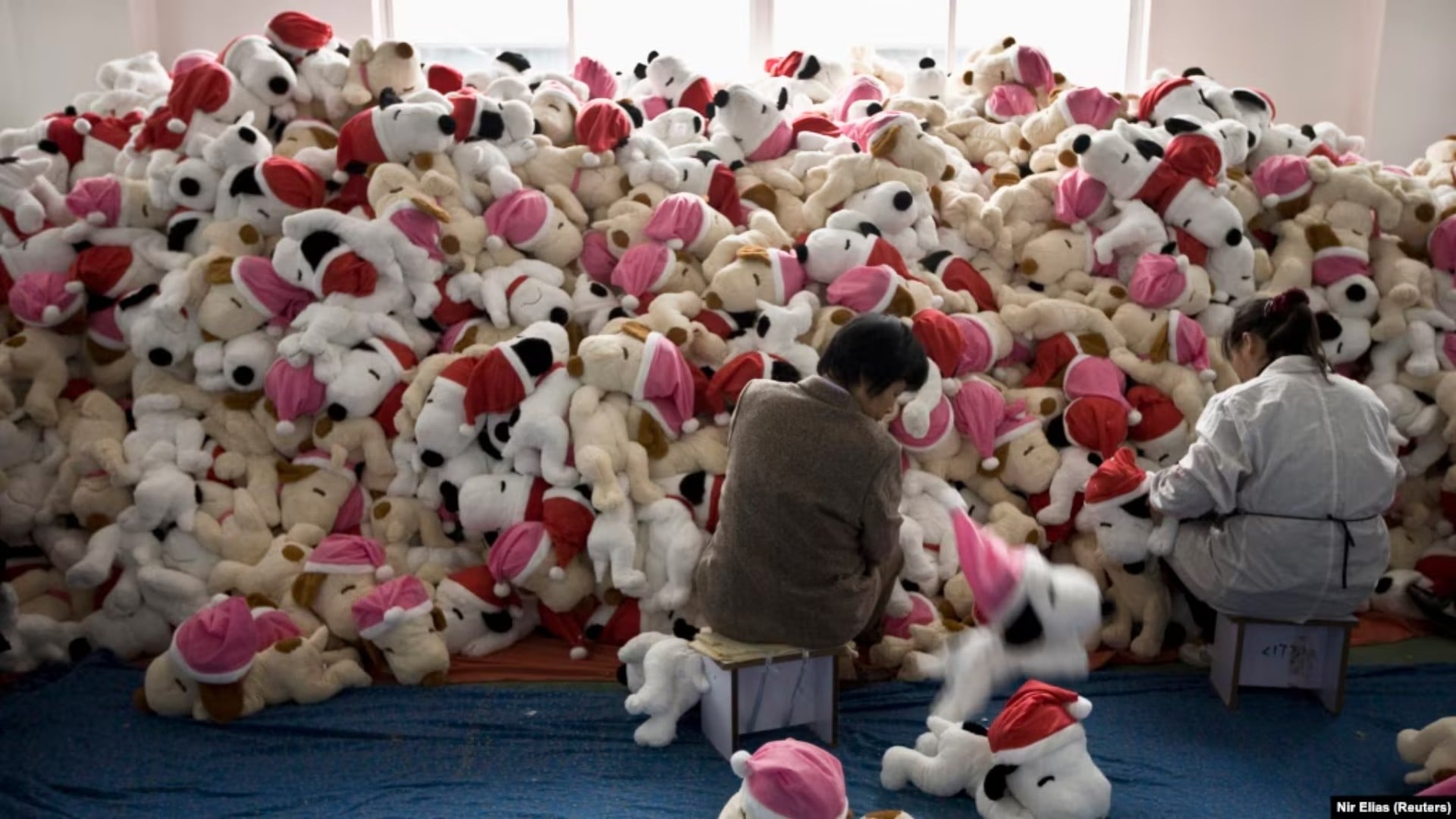
Stopped at the border, but without key details
The Ministry of Industry, Entrepreneurship, Trade and Innovation confirmed to Radio Free Europe that the blocked toys will be subject to procedures for return to China or destruction.
According to a statement by the Central Market Surveillance Inspectorate, the operation was carried out on November 10 in cooperation with Kosovo Customs, at customs points and as part of a joint operation by CEFTA countries with GIZ support.
Authorities said the toys were inspected before customs clearance and did not meet the requirements of the Toy Safety Regulation and the European standard EN 71. But it was not made public which products were involved and what specific non-compliance was found.
Doubts over what may have entered the market earlier
One of the biggest gaps in institutional communication concerns the domestic market. The ministry did not confirm whether there will be special checks on importing companies to verify whether toys identical to those that were blocked are already on sale.
The official version is limited to the formulation that inspections are carried out systematically on importers, distributors and retailers. However, no data were provided on the results of these inspections, the number of checks carried out this year, or toys withdrawn from the market.
Former minister disputes the official narrative
Former Trade and Industry Minister Ismet Mulaj questions the claim that the market is adequately supervised. According to him, Kosovo’s toy market remains “totally uncontrolled.”
Mulaj has raised concerns about the lack of specialized inspectors and the fact that samples are rarely sent for laboratory analysis. He also stressed that such returns are not an isolated case and that the lack of specialized laboratories to verify the chemical composition of toys remains a problem.
The risk is not always visible
Without laboratory analysis, it remains unclear whether the blocked toys contained dangerous substances or had other technical shortcomings. This is an important distinction, because not every risk can be identified from a product’s outward appearance.
According to European institutions, unsafe toys can pose a choking hazard from small parts, problems from magnets or batteries that can be swallowed, as well as exposure to harmful chemicals. The European Chemicals Agency has also warned about certain phthalates used in plastics that may have harmful health effects.
A problem not limited to Kosovo
Toy safety remains a problematic issue in the European market as well. According to the European Commission’s report on the Safety Gate system, 4,671 notifications of dangerous non-food products were registered during 2025, with toys accounting for 16 percent of cases.
A joint customs operation in the European Union found that more than half of the roughly 20,000 toys and small electronic devices checked, ordered online from countries outside the EU, did not meet European requirements. This makes transparency by authorities even more important when announcing such seizures.
For consumers, checking the manufacturer or importer details, instructions for use and age warnings remains a basic step, although not sufficient to detect every risk.
The CE mark may indicate that the manufacturer declares compliance with European requirements, but it is not an absolute guarantee of a toy’s safety. In the absence of greater transparency and full testing, questions about the real protection of children in the market remain open.