
The United States has approved in principle a possible sale of HIMARS rocket systems to Albania, in a package estimated at around $210 million. But this is only a preliminary step: according to the official US version, the approval does not mean that the final agreement has been signed or that the systems are on their way for delivery.
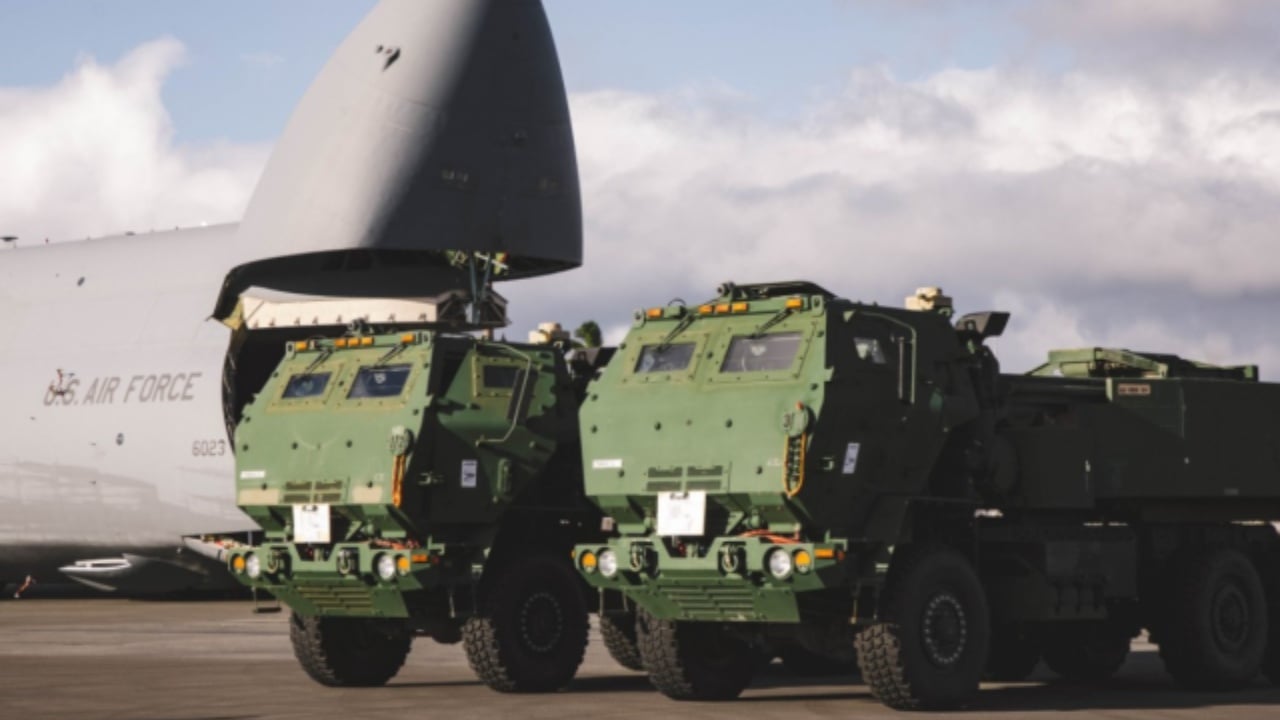
What the approved package includes
The proposed package includes two M142 HIMARS systems, together with high-precision rockets and support equipment that, according to the US side, are intended to increase Albania’s defense capabilities as a NATO member state.
The published list includes six containers of M31A2 GMLRS Unitary rockets and six containers of M30A2 GMLRS Alternative Warhead rockets. It also provides for eight tactical artillery fire control systems and two Humvee military vehicles.
Communications, training and technical support
The package is not limited only to launchers and munitions. It also includes communications systems, tactical radios, navigation equipment, logistical tools, spare parts and equipment for maintaining the systems.
The framework also includes personnel training, technical assistance and logistical support, elements that usually accompany such long-term and high-cost programs.
How it will be financed and who the contractor is
According to the published data, financing for the purchase is expected to be carried out through the US Foreign Military Financing program. The estimated value of the package is $210 million.
The main contractor for the sale is planned to be the American company Lockheed Martin, one of the leading names in the US defense industry.
What Washington says — and what has not yet been decided
According to the US State Department, the purpose of the sale is to strengthen the security of a NATO ally and increase Albania’s ability to respond to current and future threats, including capabilities for precision strikes at long range.
The implementation of the program also envisages periodic trips to Albania by representatives of the US government and the contractor company for program management, equipment installation and personnel training.
However, the US approval refers to a possible sale. At this stage there is no confirmation that the final contract has been signed, nor that the systems will actually be delivered.
In practical terms, this is a political and procedural authorization from the US side, not a completed supply. For a package of this scale, the distinction between notification and execution remains essential.
For precisely this reason, the real weight of the news lies in the opening of the way for the purchase, while the final decision and concrete implementation remain to be seen.