
Pogradec is appearing ever more prominently on the country’s tourism map, not only for its lake and well-known landscape, but also for a historical and cultural heritage that stretches from antiquity to the beginning of the 20th century. Beyond the usual tourism promotion, the city relies on several genuine points of interest that make it attractive in several seasons of the year.
The lake and UNESCO-protected values
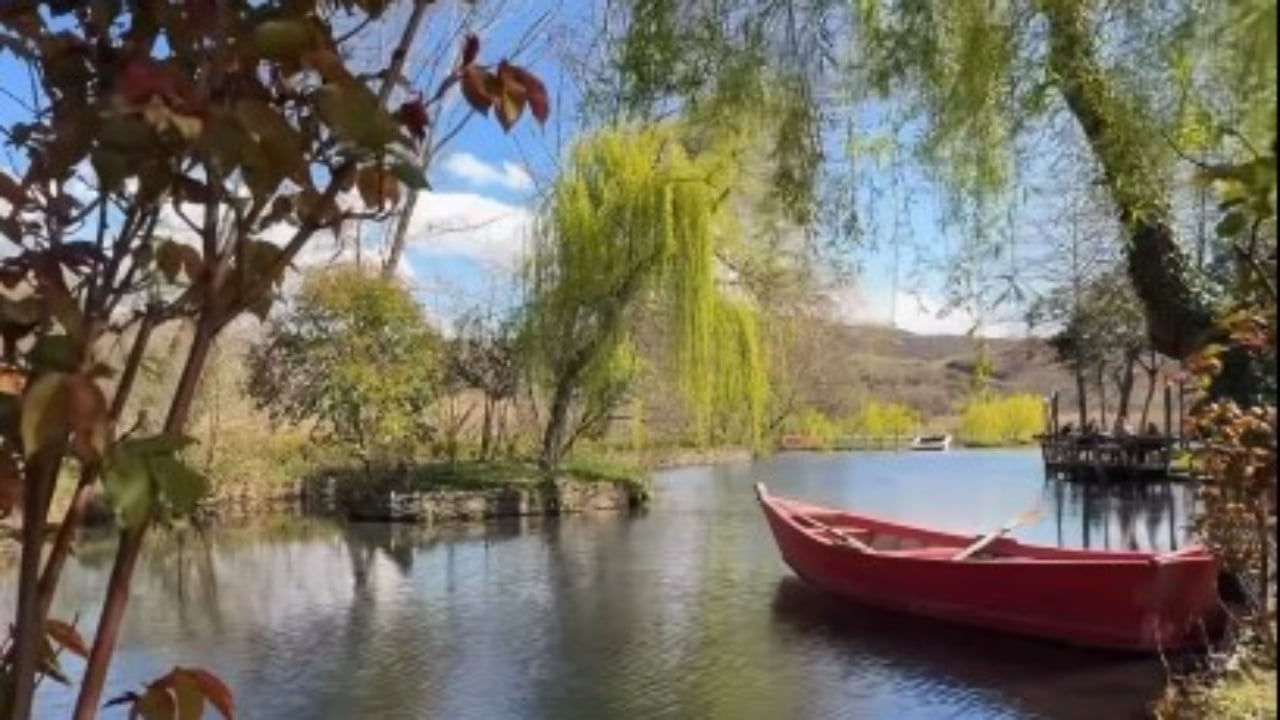
Lake Pogradec remains at the center of this tourism identity. Since 2019, it has been part of the UNESCO World Heritage list and is regarded as one of the oldest lakes in the world.
The same area also includes the Early Christian Basilica of Lin, where rare mosaics from the 5th and 6th centuries are preserved. The clarity of the water, the surrounding terrain and the combination with archaeological sites make the area one of the most distinctive tourist spaces in the country’s southeast.
From prehistoric settlements to the monumental tombs of Selca
In recent years, research projects have been carried out in Buqezë and on the outskirts of Pogradec in cooperation with the Institute of Archaeology and the University of Bern to uncover prehistoric pile-dwelling settlements around 8,100 years old. According to researchers, these discoveries place the area among the earliest settlements in Albania and beyond.
Equally distinctive are the five monumental tombs of Lower Selca, about 40 kilometers from the city, in the Mokra area. Dated to the 4th and 3rd centuries BC and linked to the Illyrian tribes of the Enchelei and Dassaretii, they stand out for their construction into rock faces, a feature that continues to spark visitors’ interest.
Traces of Egnatia and the city’s historical memory
Branches of Via Egnatia, the ancient route that connected Rome with Constantinople, are also preserved in the municipality’s territory. The Golik Bridge, the Terziu Bridge in Proptisht, the Niçë Bridge and the traces marked by large stones near the Llënga gorge are part of this historical wealth.
Above the city rises Pogradec Castle, an early settlement that in the 4th century BC was equipped with protective walls and took on the features of a small urban center. The name of Pogradec is also linked to this settlement and is understood to mean “under the city.”
Another important site is the museum neighborhood, where significant buildings from the beginning of the 20th century can be found, including the Second Albanian School, the house of Lasgush Poradeci and the residence of the Icka Brotherhood. After restoration, this area has become one of the most visited spaces in the city.
Drilon, Tushemisht, Lin and everyday tourism
Just a few kilometers from the city lies Drilon, one of the most frequented spots in the area. Its crystal-clear waters, wooden bridges, walking paths and greenery have for years made it a sought-after destination for holidaymakers.
Likewise, the tourist villages of Lin and Tushemisht remain an important part of Pogradec’s offer. Lin stands out for its lakeside position, artisan traditions and its well-known basilica, while Tushemisht is known for its old houses, the Church of Saint Pandelimon, traditional dishes and its proximity to the lake.
This mosaic also includes the glacial lakes of Lukova, Guri i Kamjes and forms of agritourism that are gaining more ground in the area.
Culture, cuisine and an identity that sells
Pogradec also retains a strong cultural profile. The city is associated with names such as Lasgush Poradeci and Mitrush Kuteli, while painters’ studios and the tradition of wood carving provide other stops for visitors.
Cuisine also carries its own weight in this tourist appeal. Pogradec koran, belushka, the area’s traditional dishes and annual celebrations such as the Wine and Chestnut Festival and the Koran Festival have become part of the offer that keeps the city active beyond the summer season.
Another distinctive element of local memory remains the letter of French Colonel Andre Ordioni, who in 1925 described the lake with rare admiration. Today, this is more than a literary curiosity: it is an indication that Pogradec has long had the potential that is now being used more strongly for tourism.
Pogradec does not rely only on the postcard image of the lake. It is building its tourism weight on a chain of real assets, from archaeology and urban heritage to nature, tourist villages and local cuisine.
The challenge remains to ensure that this wealth serves not only as promotional material, but is managed with standards that preserve the authenticity and values that make the area sought after.