
August 2026 was recorded as one of the hottest months ever measured on the planet, tying the record set in July 2023. Data published by the European climate service Copernicus reinforce the alarm over accelerating global warming, while the El Niño phenomenon is expected to further worsen the temperature balance in the months ahead.
Global record and threshold exceeded
According to Copernicus, the global average temperature in August was around 1.65 degrees Celsius above pre-industrial levels. This takes the month beyond the 1.5-degree threshold, a limit that for years has been treated as critical in international efforts to curb the worst consequences of the climate crisis.
Experts explain that crossing this level for a single month does not automatically mean the limit has been irreversibly breached. However, the signal these measurements send is strong: the trend is moving in the wrong direction.
The weight of El Niño in escalating the heat
According to Copernicus assessments, August’s record is linked both to climate change and to the strengthening of El Niño, the natural phenomenon that warms Pacific waters and releases more heat into the atmosphere.
Experts say the current El Niño is intensifying and could rank among the most powerful episodes ever recorded. Its strongest impact on global temperatures is expected to be felt during the coming year, adding to concerns over new records.
Western Europe closes out its hottest summer
August also marked the hottest summer ever recorded in Western Europe. In the United Kingdom, the summer of 2026 was the hottest since records began in 1884.
According to experts, the impact of human activity on the climate has made such a season far more likely. This shifts the debate beyond monthly statistics and turns the climate crisis into concrete pressure on daily life and the economy.
The consequences are being felt on the ground
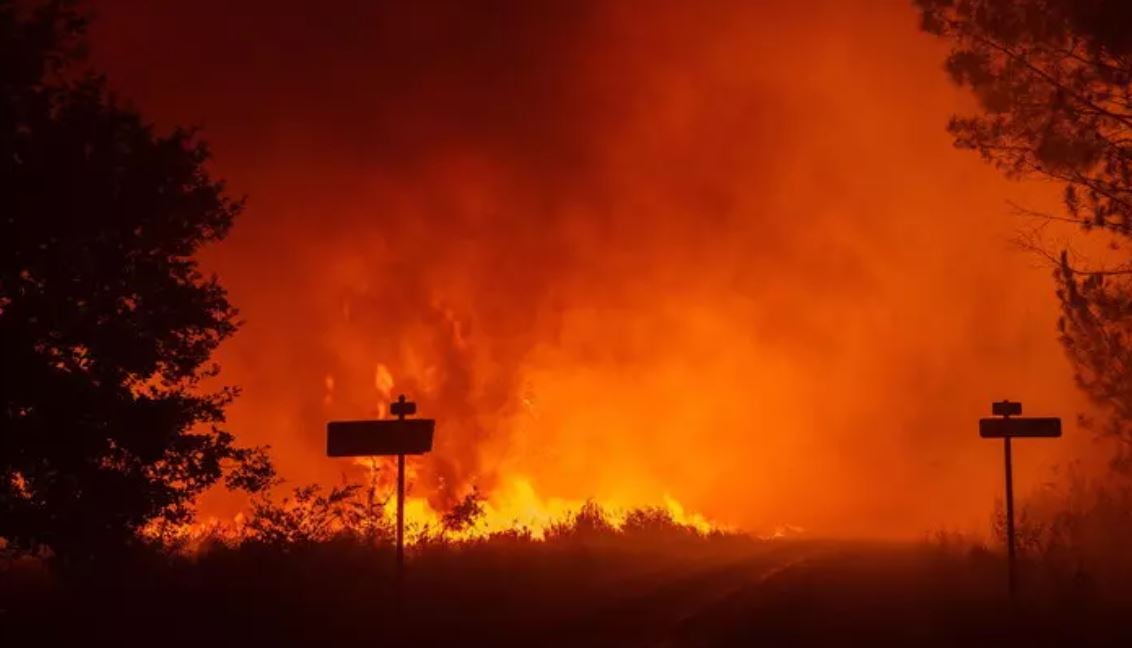
The heatwave in Europe caused tangible disruption in several sectors, from schools and the health system to agricultural production. Extreme heat also fueled fires and drought, while tens of thousands of deaths linked to these conditions have also been reported.
The experts’ warning is clear: record temperatures should not be treated as a new normal to be accepted in silence. As long as the burning of fossil fuels continues, they say, records will keep being broken and extreme phenomena will become even more severe.
UN climate chief Simon Stiell described the picture in direct terms, saying the evidence is undeniable and that rising temperatures are linked to the use of fossil fuels and the global climate crisis.
In practice, the figures for August 2026 make it increasingly difficult to play down the climate alarm: records are no longer remaining an exception, but are approaching the pace of a repeated warning.